






























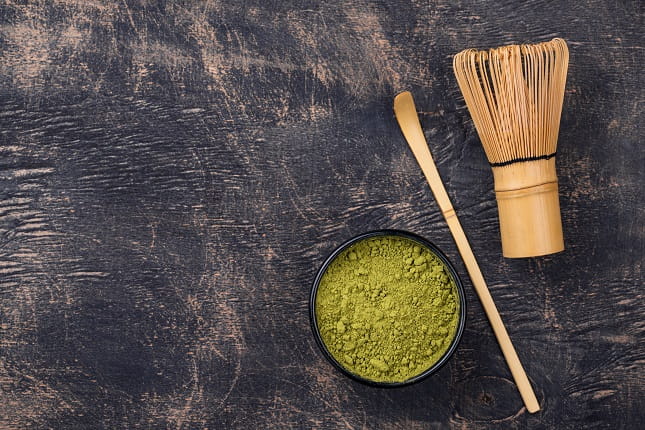
Not long ago, matcha was considered a niche ingredient — mostly associated with traditional Japanese tea ceremonies or specialty cafés. Today, it’s everywhere. From luxury tea boutiques and wellness stores to smoothie bars and high-end bakeries, premium matcha has moved far beyond its cultural roots and into the global spotlight.
What’s even more interesting is that not all matcha grows equally. The strongest demand is in the premium segment — especially high-quality, vibrant green powders marketed for their purity, origin, and ceremonial use.
So how did premium matcha transform from a traditional Japanese tea into one of the fastest-growing segments in the global tea market? Let’s break it down.
1) The Wellness Movement Changed Consumer Priorities
Over the past decade, global consumers have become far more conscious about what they eat and drink. Wellness trends shifted attention toward natural, plant-based ingredients that offer more than just taste.
Matcha fits perfectly into that shift. Unlike regular green tea, matcha involves consuming the entire powdered leaf. That means higher concentrations of antioxidants, including catechins like EGCG, along with L-theanine — an amino acid known for promoting calm focus.
As consumers began replacing sugary drinks with healthier alternatives, matcha positioned itself as:
- A natural energy source.
- A cleaner alternative to coffee.
- A beverage rich in antioxidants.
- A product tied to mindfulness and ritual.
But as awareness grew, so did expectations. Buyers became more selective about origin, color vibrancy, texture, and production methods. The conversation shifted from simply buying matcha to choosing higher-grade options.
This is where true ceremonial grade matcha began standing out in the market within the premium segment. Established tea providers such as Hugo Tea company cater to this market by offering carefully sourced matcha that reflects traditional cultivation standards and refined processing techniques — qualities increasingly valued by health-conscious consumers.
Premium matcha’s rise, therefore, wasn’t accidental. It was fueled by a market that began prioritizing quality, transparency, and craftsmanship alongside wellness benefits.
2) Social Media Elevated Matcha’s Visual Appeal
Let’s be honest — matcha is incredibly photogenic. Its bright green colour stands out in lattes, desserts, and smoothie bowls. Platforms like Instagram, TikTok, and Pinterest played a major role in spreading matcha culture globally. Influencers began sharing aesthetically pleasing matcha lattes in glass cups, minimalist tea rituals, and wellness routines featuring the powder.
The result? Matcha became aspirational. But not just any matcha — premium matcha. Consumers quickly learned that lower-grade matcha looks dull or yellowish, while high-quality matcha has a vibrant, smooth green tone.
This visual difference made quality easier to identify and encouraged shoppers to seek better grades. Social media didn’t just increase awareness — it educated consumers on what quality looks like.
3) Café Culture Expanded Its Reach
Matcha’s growth wasn’t limited to grocery shelves. Specialty cafés played a major role in mainstream adoption.
At first, matcha lattes were niche menu items. Now they’re standard in coffee shops worldwide. As café culture expanded in cities across Europe, North America, and Asia, matcha became a staple alongside espresso drinks.
This exposure did two things:
- It introduced matcha to customers who might never have tried traditional tea.
- It allowed people to taste higher-quality matcha prepared properly.
Once consumers experienced smooth, creamy matcha in a café setting, many wanted to recreate it at home — and that demand flowed back to retail markets.
Premium matcha brands benefited because customers sought powders that matched the café experience rather than cheaper supermarket alternatives.
4) Functional Beverages Are Replacing Traditional Energy Drinks
Another major driver of matcha’s growth is the shift away from artificial energy drinks. Consumers are looking for sustained energy without the crash associated with high-sugar or high-caffeine beverages. Matcha’s unique combination of caffeine and L-theanine delivers a smoother, more balanced energy boost.
Premium matcha appeals particularly to professionals, creatives, and wellness-focused individuals who want mental clarity without jitters. As functional beverages become more popular globally, matcha continues to benefit from its reputation as both energising and calming — a rare combination.
Final Thoughts
Premium matcha’s rapid rise in the global tea market didn’t happen by accident. It’s the result of multiple forces converging at once: wellness trends, social media visibility, café culture expansion, consumer demand for authenticity, and broader premiumisation across food and beverage categories.
At the centre of this growth is education. As shoppers learn the difference between basic green tea powder and true ceremonial-grade products, they begin to understand why quality matters. They recognise the visual vibrancy, the smoother flavour, and the careful cultivation methods behind authentic ceremonial grade matcha.
And as long as consumers continue seeking products that combine story, quality, and function, premium matcha is likely to remain one of the most dynamic and high-growth segments in the tea industry.