



























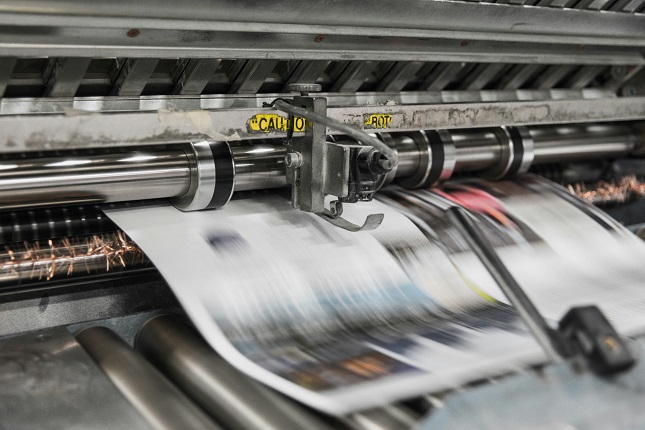
There’s a reason why some brands are so recognizable. More often than not it’s not the icon or even the color—but the ease of printing them. Whether custom merchandise or packaging, the print quality of a visual graphic conveys a message before the recipient even reads a line. For brands that prominently exist in the physical realm and their products are the first thing seen and utilized, it better be a good one.
Yet people aren’t even aware of how much print quality affects them. A bright, crisp graphic on a t-shirt is perceived more as quality than a faded image that’s almost blurry—yet the cut, fabric and color are exactly the same. It’s the same for branded merchandise, giveaways, and the all-important product packaging. The better the print, the better they print.
Quality Makes Us Judge Immediately
The moment someone picks something up, a range of judgments occur. This feels professional—this is what I expected from the photos online—this can withstand scrutiny. But none of those considerations are conscious, they’re posited and assessed in milliseconds. Anything that feels subpar raises a red flag and that’s the last thing any business wants a consumer to feel.
The truth is that the difference between good print quality and great print quality is minimal from a manufacturing perspective; however, from a marketing perspective, the difference is exponential. Edges that bleed or fade after a few washes equate to “I don’t care about you.” Crisp, clear and long-lasting means just the opposite.
It’s no wonder why more and more companies care about how they print as opposed to what they print.
The Quality of Transfer Printing for Higher Standards
Today, transfer printing is one of the best ways to maintain quality across the board regardless of different types and applications of products. The reality is that it’s not complicated—a transfer provides more detail and clarity than screen printing and embroidery with too much detail.
However, those in the know understand that DTF (direct-to-film) transfer is the most popular option championed by decorators and end users alike. They’re color and clear edged and almost all work on all fabric/textile types. For brands that want to maintain color consistency and quality across different types of materials, this is an unbeatable option!
And should merchandise go beyond textiles to drinkware or certain packaging or giveaway materials, it’s worthwhile to consider UV transfers when other options cannot be applied. UV Transfer utilizes UV cured ink that bonds to the surface for clear, stable prints.
Should merchandise go beyond textiles to drinkware or certain packaging or giveaway items, it’s worth exploring this option.
Consistency Creates Reliability
One of the most unnoticed aspects of branding that comes from going the extra mile with print is consistency. When everything looks like it came from the same source—albeit slightly different in small details of color and detail—consumers are reliable. They know what to expect; and when they’re consistently met with the same expectations, loyalty develops.
The biggest concern with inconsistency comes not from an attractiveness perspective. When people see different graphics for run after run on differently priced merchandise—at different times due to buy outs or different rendered merchandise—to people redefine what a brand is. If something is seen once and does not equate down the line as something else, it forever inhibits branded efforts from sticking.
The truth is that companies invest massive amounts of time and money toward marketing their logos for recognition and fragmented images do the opposite. Print quality ensures this will not happen. There will be integrity from day one for accuracy and aesthetic appeal thanks to a brand’s efforts.
What They Need In a Partner
There are a lot of behind-the-scenes elements that go into determining print quality from reputable vendors. A vendor who understands solid color stabilization as well as fabric stability is worth more than low-cost PPQ (price per piece sold)! And while it may be nearly impossible to tell—the visible difference upon implementation is worth more than anticipated outcomes.
There are also turnaround times to consider, especially for companies looking for seasonal alternatives, but speed should never compromise quality. Quality vendors understand this standard; a good buyer knows how to request samples before paying for bulk pricing.
It’s also important to note future applications when working with any printing vendor. As most brands evolve, so do the opportunities for applications on various surfaces/textiles/objects. Working with one vendor who can assist with soft goods and hard surfaces eases everything.
Quality of Print is a Part of Your Branding Narrative
Ultimately, every tangible product a company sells is a part of their branding narrative. Print quality either enhances or detracts what the branding narrative intends; and across all branding appeals, it should matter.
In a world where consumers have limitless options, and insignificant details like color stability make all the difference, companies should be prepared to step up and ensure that small efforts make big differences over time and across many applications.
Companies that recognize print quality as an extension of their image—as opposed to an afterthought—cultivate much more impactful visual recognition over time relative to what people feel about those products over repeated effective use. That’s an ease of satisfaction that is difficult to recreate in a pinch but simply sustained when quality pays off.