






























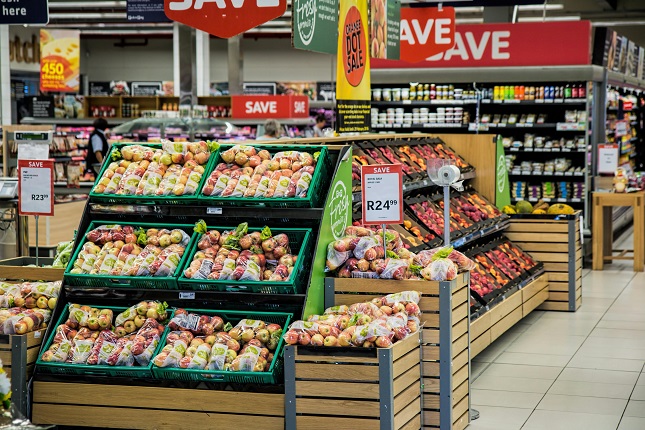
Correct layout of goods in a store is not just a simple arrangement of products on the shelves, but a whole science aimed at increasing sales, convenience of customers and competent use of retail space. Properly organized layout can increase the turnover of the store without additional financial costs.
Key Principles of Product Layout
- Visibility – products should be located so that the buyer can see the entire range and can easily take the goods from the shelf.
- Systematic – customers get used to a certain arrangement of goods, so the principles of layout should be maintained in all stores of the retail chain.
- Safety – heavy and bulky goods should not be placed on the top shelves. All products should be available at arm’s length.
- Compatibility – products of the same category or related to each other in terms of purpose should be placed next to each other. For example, tea and coffee with confectionery.
- Accessibility – the shelves should be filled but not overloaded, creating a sense of order and space.
Product placement in stores plays a crucial role in ensuring a seamless shopping experience and maximizing retail efficiency.
Effective Techniques for Laying Out Merchandise
1) Special layouts to attract attention
Special displays help to promote both illiquid goods and high margin products. Shoppers often follow familiar routes and notice only the products they need at a given moment. Special display breaks these habitual patterns, drawing attention to other products and increasing sales.
2) Utilize “gaps” on the shelf
Creating thoughtful “gaps” in the product layout makes products more desirable. When a few items are missing from the shelf, it creates the illusion that the product is popular – if people buy it, it means that it is of high quality and in demand.
3) Placement next to cheaper analogs
If the target product is not sold because of its low price (the buyer may consider it to be of insufficient quality), you can place it next to even cheaper analogs. This will increase the attractiveness of the target product.
Important: this technique works only in one direction – placing expensive products next to even more expensive ones does not stimulate their purchase.
4) Alternative products to boost brand sales
Placing branded goods next to similar but less expensive alternatives emphasizes their quality and prestige. Buyers are psychologically inclined to choose the product with better features, even if it costs more.
5) Reducing assortment to increase sales
Paradoxically, reducing the number of items in a category can increase sales. Buyers don’t like excessive choice – if the assortment is simplified, it’s easier for them to make a buying decision.
6) Use analytical tools
For effective checkout management, it is important to analyze sales on a regular basis. Modern services, such as PlanoHero, help automate the process of planning retail space, analyze shelf profitability and reduce lost sales. With the help of such solutions, you can quickly optimize the placement of goods and achieve maximum efficiency without unnecessary costs.
What is the Right Way to Position Goods in a Store?
Each type of store requires an individual approach to layout:
- Grocery stores – goods are arranged by categories and subcategories. Vertical and horizontal layouts are used. Sales leaders are placed at eye level.
- Clothing stores – products are grouped by type (T-shirts, jeans, dresses) and size. Mannequins help create images, stimulating sales.
- Electronics stores – products are arranged by category and brand. It is important to use display stands.
Additional recommendations:
- Use a “golden shelf” – an area at eye level where the most popular and profitable products are placed.
- Take into account the principle of the “first step” – profitable products should be placed from left to right, as most people look to the left side first.
- Use the block method – group items by price, brand or purpose to make it easier for shoppers to choose.
- Don’t overload shelves – leave some space to create a sense of order.
- Use colorful price tags and signs – product information should be accessible and easy to read.
- Maintain order – regularly update the layout, remove expired and damaged goods.
- Analyze sales – monitor the dynamics and adjust the layout depending on demand.
Proper layout of products is an important tool for increasing sales, increasing customer loyalty and efficient use of retail space. Observing the principles of visibility, systematicity, safety and accessibility allows you to create a comfortable and attractive space for customers.
By following these recommendations, you can achieve a significant increase in profits without additional financial investments, as well as the ability to create a comfortable and attractive space for customers.