




























A dumpster full of mixed trash and a truckload of sorted copper wire need two completely different buyers. One gets hauled away. The other gets weighed, graded, and paid out at a price that moves with the commodity market.
That difference matters more as businesses look harder at what leaves their loading docks. A manufacturer generating production scrap, a contractor pulling copper out of a demo site, and a homeowner retiring an old refrigerator are all technically “recycling,” but they need very different partners to do it well. Regulations, material values, transportation requirements, and environmental goals can all influence which service provider makes the most sense. Choosing the right partner can help recover more value from usable materials, reduce disposal costs, and ensure items are processed responsibly. As sustainability initiatives become a bigger priority across industries, understanding the strengths of different recycling services is increasingly important. Some of the names below handle curbside bins. Others specialize in data-bearing electronics or industrial byproducts. Here’s a practical rundown of four worth knowing, starting with one built specifically around scrap metal and material recovery.
Best for Full-Service Scrap Metal Recycling – PADNOS
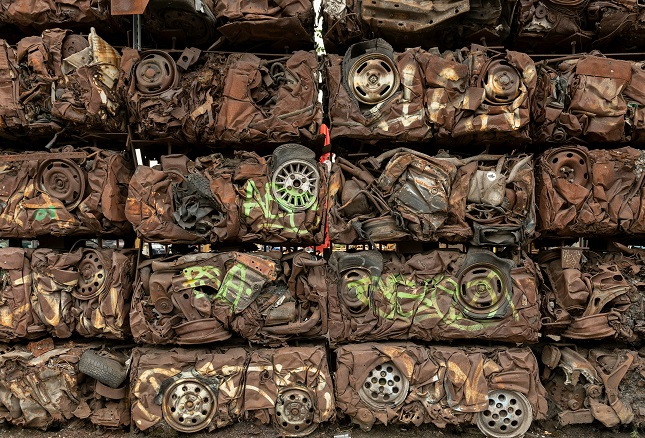
PADNOS has been turning scrap into usable raw material for more than 120 years, which puts it in a different category from newer regional haulers. The company works across ferrous and non-ferrous metals, steel, aluminum, copper, brass and wire, along with catalytic converters, electronics, appliances and end-of-life vehicles. That range covers both a homeowner dropping off a junk car and a manufacturer managing a steady stream of production scrap.
PADNOS pairs the processing capacity and material grading of a large-scale recycler with the kind of direct, long-term relationships you’d expect from a company that’s still family-owned. For commercial and industrial customers, that shows up as programs built around actual material volumes and production processes rather than a one-size-fits-all pickup schedule. For manufacturers specifically, PADNOS goes past basic scrap collection into managing entire recycling streams, recovering value from production scrap and helping improve material handling on-site.
Individuals and contractors get a simpler version of the same thing: recycling centers that accept scrap metal, vehicles, appliances, electronics, and wire, with competitive rates on the materials that have resale value. In 2024, PADNOS was named a best and brightest company to work for in West Michigan, a detail that says something about the organization behind the processing equipment. Businesses weighing whether their current setup is actually working can check these key indicators of a successful waste management operation against what a recycling partner like this one provides.
Best for Municipal Curbside Collection – City of Livonia Drop-off Recycling Center
The City of Livonia runs a public drop-off recycling program through its official city website, serving residents of Livonia, Michigan. It’s a municipal service, which means it’s set up around local residential needs rather than commercial volumes or specialized material streams.
For a household looking to recycle through an official city channel, this is about as uncomplicated as it gets. It’s not built for a business generating pallets of scrap metal or a contractor clearing out a job site. Those needs point toward a dedicated commercial recycler instead.
Best for Residential and Commercial Waste Pickup – WM
WM runs complete waste management services that cover both homes and businesses, including residential waste pickup, commercial pickup, and roll-off dumpster rental. It also offers paperless billing, autopay, and an online scheduling tool for pickups, which makes it a convenient choice for routine trash and recycling service rather than one-off material recovery.
The trade-off is scope. WM is built for general waste and recycling pickup at scale, not for sorting and grading specific metals or paying out based on material value. A business that wants its scrap weighed and priced, not just hauled away, is looking for a different kind of partner. Businesses working through this exact decision, hauler versus recycler, might find this breakdown of waste management strategies for small businesses useful before picking one.
Best for Industrial Hazardous Waste Remediation – ERG Environmental Services
ERG Environmental Services works in environmental waste management and remediation, with a focus on hazardous waste solutions across the Great Lakes region. It’s positioned around industrial environmental cleanup rather than standard scrap recycling, which puts it in a different lane from the metal and electronics recyclers on this list.
For a business dealing with hazardous waste or remediation needs, that focus is the whole appeal. It isn’t the right call for straightforward scrap metal or electronics volume, where a dedicated recycler will generally offer more direct material pricing.
What to Weigh Before You Pick a Recycling Partner
The six options above split roughly into three groups: general waste haulers, specialized niche processors, and material recyclers built around metals and equipment. Picking the wrong category costs you money even if the service itself works fine.
Start with what’s actually leaving your building. A steady volume of scrap steel, copper wire, or aluminum belongs with a recycler that grades materials and pays based on value, not a general hauler billing a flat monthly rate. Retired electronics with sensitive data need a certified disposition process with documented destruction, not a standard recycling bin. Hazardous or industrial waste streams need a remediation specialist, full stop.
Volume and consistency matter just as much as material type. A homeowner recycling an old appliance once a year has very different needs than a manufacturer generating scrap on every production run. The former is well served by a municipal drop-off or community program. The latter needs a partner that can build a program around actual production schedules and equipment, which is where scale starts to matter. Companies reassessing their setup from scratch can also look at how sustainable upgrades lower long-term operating costs, since recycling strategy and equipment decisions tend to move together.
For a manufacturer or contractor that needs real material value back, not just a pickup, and wants a partner who’ll build a program around their specific equipment and volume rather than hand them a generic contract, PADNOS is the one on this list built to do exactly that, backed by more than a century of handling metals, vehicles, and electronics at scale.