





























In many construction and engineering projects, strength and reliability depend on more than the visible materials used. Behind structural frames, mechanical installations, and heavy-duty fixtures lies a network of fixings that provide the necessary support to keep everything secure. Among the most versatile and dependable of these are studding and threaded rod fixings.
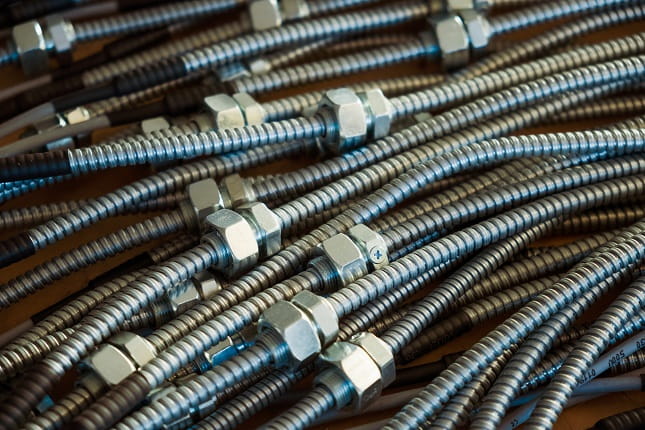
Threaded rods, sometimes referred to as studding, are long metal rods threaded along their entire length. They can be cut to size and used with nuts, washers, and anchors to create strong fastening systems in a wide range of applications. Their simplicity and adaptability make them a key component in both structural and mechanical installations.
What Makes Threaded Rods So Versatile
Unlike traditional bolts, which have a fixed head and length, threaded rods can be customized to suit many different projects. Because the entire rod is threaded, installers can place nuts and washers anywhere along its length. This allows for flexible fastening solutions that can accommodate varying materials and structural requirements.
The ability to cut rods to the exact length required is one of their greatest advantages. Whether supporting pipework in a commercial building or anchoring structural components, threaded rods provide a solution that can be adjusted during installation.
Builders and engineers often rely on high-quality components such as a threaded rod when a project requires strong and adaptable fixings capable of handling heavy loads.
Applications Across Construction and Engineering
Threaded rod fixings are used in a wide variety of construction and engineering settings. Their strength and flexibility make them suitable for both structural and non-structural applications.
Common uses include:
- Securing steel frameworks and structural supports
- Suspending pipework, ducting, and cable trays from ceilings
- Anchoring heavy equipment to floors or walls
- Installing bracket systems and mechanical fixtures
Because threaded rods can span long distances and support significant loads, they’re particularly valuable in commercial construction where structural precision is essential.
Load Distribution and Structural Stability
One of the key reasons threaded rods are widely used is their ability to distribute loads effectively. When paired with washers and nuts, the force applied to the rod is spread across a wider surface area. This helps prevent materials from cracking or failing under pressure.
For example, when securing equipment to a concrete base, the threaded rod can be anchored into the concrete using a chemical or mechanical anchor. A washer and nut on the exposed end then hold the mounted structure firmly in place. This system ensures that loads are transferred safely into the surrounding structure.
The result is a strong, stable connection capable of supporting heavy installations.
Adjustability During Installation
Another major advantage of threaded rods is the ability to make adjustments during installation. Because nuts can be tightened or loosened along the rod, installers can fine-tune the height or alignment of components.
This is particularly useful in suspended systems such as pipework or ventilation ducting. Engineers can adjust the position of brackets or supports by simply moving the nuts along the threaded rod.
This level of flexibility allows installers to achieve precise positioning while maintaining structural integrity.
Material Options and Corrosion Resistance
Threaded rods are manufactured in a variety of materials and finishes to suit different environments. Common options include:
- Zinc-plated steel for indoor applications
- Stainless steel for corrosion resistance
- High tensile steel for heavy structural loads
Selecting the correct material ensures that the fixing system performs reliably in its intended environment. For example, stainless steel threaded rods are often used in outdoor or high-moisture environments where corrosion resistance is essential.
Supporting Modern Construction Demands
As buildings become more complex and infrastructure systems more sophisticated, the demand for reliable fixing solutions continues to grow. Threaded rods offer a combination of strength, versatility, and adjustability that makes them indispensable in modern construction.
From supporting mechanical systems to anchoring structural components, these simple yet powerful fixings provide the backbone for many installations. Their ability to handle heavy loads while allowing for precise adjustments ensures they remain a trusted choice among builders, engineers, and contractors.
The Hidden Strength Behind Structural Systems
Although they may appear straightforward, studding and threaded rod fixings play a critical role in maintaining the strength and stability of many construction projects. Their adaptability allows them to be used across countless applications, from structural frameworks to suspended systems.
When paired with the correct anchors, nuts, and washers, threaded rods create secure fastening solutions capable of supporting demanding loads. In many ways, they represent the hidden engineering that keeps buildings, equipment, and infrastructure securely in place.