



























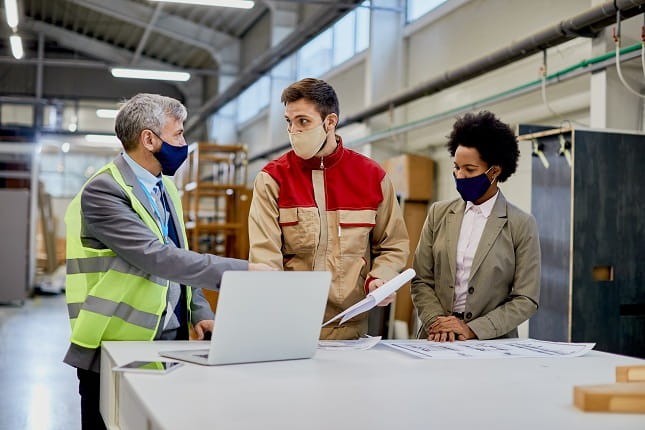
Workplace safety is a critical concern, especially in high-risk industries like construction, manufacturing, and chemical plants. These sectors are prone to hazardous conditions that can lead to serious injuries and long-term health issues. This article will outline the essential steps businesses can take to create a safer working environment, focusing on proactive measures to prevent accidents and diseases.
1) Identifying and Assessing Workplace Hazards
The first step in creating a safe work environment is identifying potential hazards. A thorough risk assessment helps businesses pinpoint dangers before they result in accidents or health issues.
- Physical hazards: These include unsafe machinery, working at heights, exposed wires, or heavy lifting that can cause accidents and injuries.
- Chemical hazards: Exposure to toxic substances such as asbestos, cleaning agents, or industrial fumes can lead to serious illnesses.
- Ergonomic hazards: Repetitive strain, awkward postures, and improper lifting techniques can cause long-term musculoskeletal issues.
To effectively assess risks, businesses can use tools like safety audits, risk assessments, and hazard analysis methods to identify and evaluate workplace hazards. Employee involvement is essential in this process, as workers are the most familiar with their tasks and environments. Encouraging them to report hazards or unsafe conditions ensures a proactive approach to safety and helps mitigate risks early. We will discuss this more in the later section.
2) Implementing Comprehensive Safety Training Programs
A well-trained workforce is the cornerstone of any effective safety protocol. When employees understand the risks and know how to mitigate them, they are more likely to adhere to safety procedures and avoid accidents.
- General safety: This includes basic safety rules that all employees should follow, such as proper lifting techniques, hazard awareness, and personal protective equipment (PPE) usage.
- Industry-specific safety: For high-risk industries, training should be tailored to address specific hazards, such as handling hazardous materials, operating heavy machinery, or working in confined spaces.
- Emergency procedures: Employees should be well-versed in emergency protocols, including fire drills, first aid, and evacuation plans, to ensure swift and organized responses during emergencies.
Continuous education is vital to maintaining safety standards. Regular refresher courses and updates on new safety regulations help keep employees informed about best practices, new tools, and evolving workplace risks.
3) Providing Personal Protective Equipment (PPE)
Personal protective equipment (PPE) plays a critical role in minimizing exposure to workplace hazards. By acting as a barrier between workers and potential risks, PPE helps prevent injuries and illnesses, especially in high-risk industries.
- Construction: PPE includes helmets, gloves, harnesses, and safety boots, protecting workers from falls, debris, and equipment-related injuries.
- Chemical workers: Face shields, respirators, gloves, and protective suits are essential for safeguarding against harmful chemicals and fumes.
- Manufacturing: PPE for manufacturing workers includes hearing protection, eye protection, and anti-slip footwear, reducing the risk of accidents from machinery, noise, and wet surfaces.
Proper PPE training is vital to ensure employees understand when and how to use their equipment correctly. Regular inspection and maintenance of PPE are also crucial to ensure its effectiveness. Routine checks should be conducted to ensure that all protective gear is in good condition and replaced when necessary to maintain maximum safety.
Record-keeping is essential for legal and safety compliance. Detailed logs of inspections and maintenance activities not only help track equipment status but also demonstrate that the business is meeting safety regulations. These records are critical in case of audits or legal claims.
4) Creating Clear Safety Protocols and Procedures
Establishing written safety policies is essential for ensuring that all employees are aware of safety expectations. A comprehensive safety manual outlines procedures, emergency protocols, and guidelines to follow in the event of an accident or hazard.
Standard operating procedures (SOPs) are crucial, especially for high-risk operations. These step-by-step guidelines ensure that employees perform tasks safely, reducing the likelihood of accidents or errors. SOPs should be specific to each job function and include detailed instructions for handling hazardous materials, machinery, or equipment.
Clear signage is also a key element in workplace safety. Visible safety signs such as wet floor warnings, emergency exit signs, and chemical hazard labels alert employees to potential dangers and help prevent accidents.
Finally, safety protocols should be easily accessible and comprehensible for all employees. Make sure that information is available in multiple languages and presented in a simple format, particularly for employees with language or literacy barriers, to ensure everyone understands and follows safety procedures.
5) Promoting a Culture of Safety
A strong culture of safety begins with leadership. Business leaders must set the tone by actively demonstrating a commitment to safety practices and prioritizing the well-being of their employees. When leadership visibly supports safety protocols, it encourages employees to follow suit.
Open communication is crucial in fostering a safe environment. Workers should feel comfortable reporting safety concerns without the fear of retaliation. Providing a platform for anonymous reporting ensures that even the most reluctant employees can raise issues without feeling exposed.
Implementing safety incentive programs can motivate employees to maintain safe work practices. Rewards for teams that achieve accident-free work periods can enhance engagement and create a sense of accountability among employees.
Employee involvement in safety committees helps reinforce a culture of safety. Allowing workers to contribute ideas and feedback encourages ownership and continuous improvement in safety measures, leading to a more proactive and collaborative approach to workplace safety.
6) Addressing Asbestos Exposure and Health Risks in High-Risk Industries
In high-risk industries such as construction, manufacturing, and shipbuilding, workers may be exposed to harmful substances like asbestos, which can lead to serious health issues, including mesothelioma. This rare and deadly form of cancer is caused by prolonged exposure to asbestos fibers and is prevalent in industries that involve handling materials that contain asbestos.
Preventing exposure is very important. Employers need to find areas where asbestos might be present and take steps to reduce the risk. This includes safely removing asbestos and making sure workers wear the right safety gear.
Mesothelioma Hope offers help for workers and their families who are affected by asbestos. The organization gives advice on how to handle a mesothelioma diagnosis, available treatment options, and what legal steps to take. They support those going through this difficult situation.
Endnote
Prioritizing workplace safety is crucial for maintaining a healthy and efficient environment. It not only protects employees but also helps in smooth business operations. Businesses can create a safer and more productive workplace by following the right safety protocols and continually addressing risks.