


























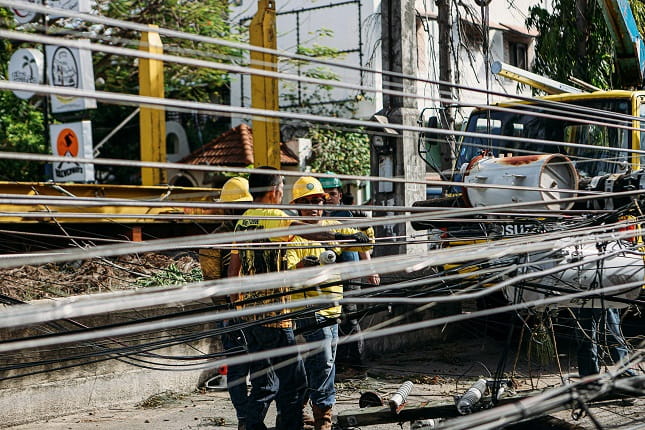
Workplace accidents are not limited to high-risk industries—they can happen in offices, retail stores, warehouses, or even during routine daily tasks.
That said, insights from construction-related injury claims consistently highlight how quickly a workplace incident can escalate when safety protocols fall short—especially in environments where multiple parties, equipment, and responsibilities intersect.
For small business owners, a single incident can quickly turn into legal claims, financial losses, and operational disruption. Understanding workplace liability isn’t just about compliance; it’s about protecting your employees, your business, and your long-term stability.
This guide breaks down what you need to know, from common risks to legal responsibilities and practical prevention strategies.
What Counts as a Workplace Accident?
A workplace accident refers to any unexpected event that causes injury or illness to an employee while performing job-related duties. These incidents can occur on-site, off-site, or even during work-related travel.
Common Examples
- Slips, trips, and falls
- Machinery or equipment injuries
- Exposure to hazardous materials
- Repetitive strain injuries
- Vehicle-related accidents during work duties
Even minor incidents can lead to claims if they result in medical treatment, lost wages, or long-term health issues.
Understanding Employer Liability
As a business owner, you have a legal duty of care to provide a safe working environment. If this duty is breached, you may be held liable for injuries sustained by employees.
When Are You Liable?
You may be responsible if an accident occurs due to:
- Unsafe working conditions
- Lack of proper training
- Faulty equipment
- Inadequate safety protocols
- Failure to follow workplace safety regulations
Liability doesn’t always require intentional negligence—failure to take reasonable preventive measures can be enough.
Workers’ Compensation vs. Legal Claims
Workers’ Compensation
Most businesses are required to carry workers’ compensation insurance. This covers:
- Medical expenses
- Lost wages
- Rehabilitation costs
In many cases, employees receive compensation regardless of fault, and in return, they typically cannot sue the employer.
When Lawsuits Happen
However, legal claims may still arise if:
- There is gross negligence or misconduct
- Safety regulations were knowingly ignored
- Third parties are involved (e.g., contractors or equipment manufacturers)
This is where liability risks increase significantly.
The Real Cost of Workplace Accidents
The financial impact goes far beyond immediate medical expenses.
Direct Costs
- Insurance claims and premium increases
- Medical and compensation payments
- Legal fees
Indirect Costs
- Lost productivity
- Employee turnover
- Training replacement staff
- Damage to business reputation
For small businesses, even a single serious claim can strain cash flow and disrupt operations.
High-Risk Areas Small Businesses Often Overlook
1) Poor Training Practices
Employees who aren’t properly trained are more likely to make mistakes that lead to injuries.
2) Inadequate Equipment Maintenance
Faulty or poorly maintained equipment is a leading cause of workplace accidents.
3) Lack of Clear Safety Policies
Without documented procedures, employees may not know how to handle risks or emergencies.
4) Ignoring “Minor” Hazards
Small issues—like loose cables or wet floors—are often ignored but can lead to major incidents.
How to Reduce Workplace Liability?
Conduct Regular Risk Assessments
Identify potential hazards in your workplace and address them proactively. This should be an ongoing process, not a one-time task.
Implement Clear Safety Protocols
Establish and communicate procedures for:
- Equipment use
- Emergency response
- Incident reporting
Make sure employees understand and follow these guidelines consistently.
Provide Ongoing Training
Safety training should be continuous, not just part of onboarding. Regular refreshers help reinforce best practices.
Maintain Equipment and Workspaces
Schedule routine inspections and maintenance to ensure everything is in safe working condition.
Document Everything
Keep records of:
- Training sessions
- Safety inspections
- Incident reports
Documentation can be critical in defending against liability claims.
What to Do After a Workplace Accident?
Even with strong prevention measures, accidents can still happen. How you respond matters.
Immediate Steps
- Ensure the injured employee receives medical attention
- Secure the area to prevent further harm
- Report the incident according to legal requirements
Follow-Up Actions
- Conduct an internal investigation
- Identify the root cause
- Implement corrective measures
A prompt and structured response not only reduces legal risk but also demonstrates responsibility.
Building a Culture of Safety
The most effective way to reduce liability is to create a workplace where safety is part of everyday operations.
This includes:
- Encouraging employees to report hazards
- Leading by example as a business owner
- Making safety a core business priority—not an afterthought
When employees feel responsible for safety, incidents decrease significantly.
Conclusion
Workplace accidents are a serious risk for small business owners, but they are largely preventable with the right approach. Understanding your legal responsibilities, investing in safety measures, and responding effectively to incidents can significantly reduce both risk and liability.
Ultimately, protecting your employees protects your business. A proactive safety strategy isn’t just about compliance—it’s about creating a stable, resilient operation that can grow without unnecessary setbacks.