


























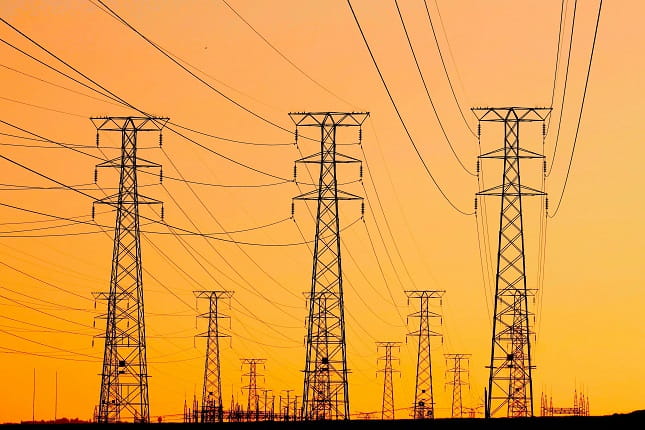
Efficient electric power distribution is a critical part of modern business operations. Every company, regardless of size, depends on stable access to electricity. Without it, production, services and digital infrastructure cannot function.
- What is electric power distribution and why it matters?
- Power distribution systems and business continuity
- Integration of renewable energy into distribution networks
- Distribution networks, demand and flexibility
Understanding how the power distribution system works helps explain why reliability and flexibility matter so much.
What is electric power distribution and why it matters?
At its core, electric power distribution is the process of delivering electricity from the grid to end users. After energy is transmitted through high voltage power transmission lines, it enters the distribution network, where it is adjusted to lower voltage levels suitable for households and businesses.
This stage includes:
- distribution transformers that reduce voltage,
- distribution lines that carry electricity locally,
- systems designed to safely supply electricity to customers.
For businesses, this means the power must be stable, predictable and adapted to operational demand.
Power distribution systems and business continuity
Modern power distribution systems are designed to ensure that electricity is always available. A reliable distribution system allows companies to operate without interruptions, even when demand fluctuates.
Key factors include load balancing and the ability to distribute electrical power efficiently across the network. This ensures that equipment can work without overload and that power is delivered evenly across the region.
However, in many areas, aging infrastructure can affect performance. Older distribution networks may struggle to handle increasing demand or the integration of new technologies.
Integration of renewable energy into distribution networks
One of the biggest changes in recent years is the integration of renewable energy sources. Solar installations and wind farms are now part of the broader power system, which means that the distribution network must adapt to new patterns of energy flow.
Electricity is no longer supplied only from centralized plants. Instead, energy is often generated closer to the end user, which changes how power distribution works in practice.
This creates additional challenges:
- maintaining stable voltage,
- managing variable supply,
- ensuring that systems can be connected without disrupting the grid.
Distribution networks, demand and flexibility
As demand grows, distribution systems are expected to be more flexible. Businesses require systems that can respond quickly to changes in energy use, especially in industries with high consumption.
The ability to manage current, adjust voltage and balance loads is essential. In addition, companies increasingly expect to be able to monitor and control their energy use in real time.
A modern distribution network must therefore combine reliability with adaptability, ensuring that electricity flows efficiently from source to consumers.