






























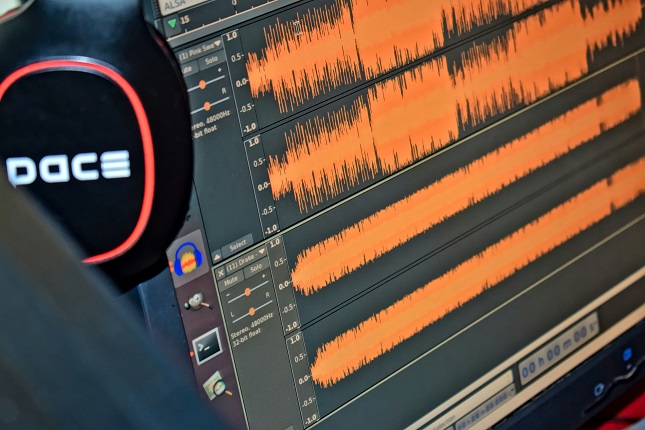
Audio has become one of the most important—and complicated—forms of evidence in modern policing. Body-worn cameras, dash cams, interview room recorders, jail calls, and 911 systems generate an enormous volume of recordings that can make or break a case. But the value of that audio isn’t limited to what it proves; it also lies in how responsibly it’s handled.
Redaction used to be thought of as a paperwork problem: blacking out a name here, masking an address there. In 2026, that mindset is outdated. Audio redaction now sits at the intersection of investigative integrity, privacy law, public transparency, and officer safety. If your agency treats it as an afterthought, you’re not just risking embarrassment—you’re risking cases, community trust, and legal exposure.
Audio Evidence Is Powerful—And Unforgiving
Audio can capture context that a written report never will: tone, urgency, intoxication, coercion, confusion, hesitation. Those details help juries assess credibility, help prosecutors evaluate charging decisions, and help defense counsel test the reliability of statements.
But audio is also unforgiving because it often contains information that should not be shared beyond a specific legal purpose. A single recording might include:
- a domestic violence survivor’s new address
- a juvenile’s name and school
- medical information blurted out during a chaotic call
- an informant’s identity
- a bystander’s phone number read aloud
- tactical details about surveillance or officer movements
Unlike video, where a face can be blurred and a license plate can be pixelated, audio requires you to confront the reality that sensitive information is frequently spoken—sometimes repeatedly, sometimes by multiple people, sometimes while others talk over it. That makes “quick fixes” risky.
The Hidden Pressure: Disclosure, Discovery, and Public Records
Most agencies feel the squeeze from two directions at once.
On one side is the criminal legal process: discovery obligations, Brady/Giglio considerations, and court orders. Those demands tend to prioritize speed and completeness. On the other side is public access: FOIA/public records requests, media inquiries, and community expectations of transparency—often with legal carve-outs for privacy, juveniles, medical details, or ongoing investigations.
Audio redaction is where those competing demands meet. The goal isn’t to “hide” information; it’s to release or share recordings in a way that protects people who didn’t ask to be part of an investigation, while preserving the evidentiary value of what actually matters.
Around the middle of this workflow, many teams benefit from reviewing practical guidance on methods and policies for handling sensitive spoken details—particularly when dealing with body-worn camera audio, interviews, and emergency calls. Resources focused on protecting evidence through audio redaction can be useful when building a defensible, repeatable approach that holds up under scrutiny.
What’s Really at Stake: Privacy, Safety, and Case Viability
Privacy isn’t theoretical—it’s personal
When audio is released without proper redaction, real people can be harmed. Victims and witnesses may be doxxed. Families may have sensitive medical details exposed. Juveniles may have lifelong consequences from information that never needed to be public in the first place. Even when an agency technically complies with a disclosure law, avoidable over-disclosure can erode trust fast.
Officer safety and operational security
Audio can reveal radio codes, surveillance positions, home addresses spoken during routine interactions, or the identity of undercover personnel. Those exposures don’t just create discomfort; they can create credible threats.
A sloppy redaction process c
Courtroom risk: suppression, sanctions, and credibility damage
an become an evidentiary problem. If the defense argues the recording was altered in a way that changes meaning—or if your documentation of what was redacted and why is thin—your evidence can be challenged. Even when the court ultimately allows it, the credibility hit can linger. Jurors and judges notice when an agency looks disorganized with its own recordings.
Redaction Done Poorly Can Change Meaning
One of the most overlooked issues is that audio redaction isn’t simply “beeping out names.” Audio carries narrative. If you remove too much, you can unintentionally change the meaning of what remains.
Consider an interview where the suspect says, “I never went to her house—except that one time when I dropped off the keys.” If “her house” is redacted clumsily, the statement can sound more definitive than it was. The same problem happens when overlapping speech is involved: muting a sensitive phrase can also mute the immediate response that provides context.
The best practice is to treat redaction like editing legal evidence, not like editing entertainment. Your goal is minimal necessary removal, with maximum preservation of conversational flow.
Building a Defensible Audio Redaction Workflow
A strong workflow doesn’t have to be complicated, but it does need to be consistent and documented. Here’s a practical way to think about it:
- Define your redaction triggers clearly. “Personal info” is too vague. Spell out categories: juveniles, medical details, addresses, phone numbers, informant identifiers, certain victim details, protected tactical information, etc.
- Separate disclosure types. A discovery disclosure is not the same as a public release. Your rules (and the risk profile) change depending on the audience and legal authority.
- Preserve an unedited master. Always maintain an original, access-controlled file with clear chain-of-custody logging. Redacted copies should be derivatives with their own audit trail.
- Document what was removed and why. The most defensible redactions are those you can explain quickly: what category, what timestamp, what policy or statute.
- Quality-check for context. Redaction should not distort meaning. A second set of ears is often the difference between a clean release and an accidental misrepresentation.
The Human Factor: Training Matters More Than Tools
Technology can help, but it can’t substitute for judgment. Investigators, records teams, and supervisors need shared expectations—otherwise redaction becomes inconsistent across units, shifts, or individual staff members.
Training should include scenario-based review: a 911 call with panicked callers talking over one another; a body-cam clip where a victim whispers an address; a jail call where a third party’s identity is casually dropped. When people practice on realistic recordings, they learn to spot what they’d otherwise miss.
Where the Industry Is Headed
A few trends are shaping audio redaction expectations across agencies:
- Higher volumes of recorded interactions (more devices, longer retention, broader activation policies)
- Faster turnaround demands from courts and public records laws
- Greater privacy awareness from communities and regulators
- More scrutiny of authenticity as audio editing becomes easier and deepfake concerns rise
In that environment, audio redaction isn’t just a compliance step—it’s part of evidence stewardship. Agencies that treat it as such tend to move faster with fewer mistakes, reduce avoidable risk, and maintain credibility when recordings become public.
Final Thought: Redaction Is a Form of Integrity
It’s tempting to frame redaction as a barrier to transparency. In practice, it’s often what makes transparency possible. When you redact responsibly, you can release more information with less harm. You also protect the evidentiary core of a case—so what matters most remains usable, admissible, and trusted.
The public wants accountability. Courts want reliability. Victims and witnesses want dignity and safety. Audio redaction, done well, is one of the few processes that can serve all three.