





























Key Takeaways
- Retailers are integrating digital technologies to create seamless shopping experiences across online and offline channels.
- Innovations such as virtual fitting rooms, click-and-collect services, and interactive in-store displays are enhancing customer engagement.
- Data analytics and mobile payment options are crucial in optimizing inventory management and personalizing customer interactions.
Introduction
The evolution of the retail landscape is unmistakable, as digital transformation closes the gap between e-commerce and physical shopping experiences. Today’s consumers crave a unified journey; they want to browse online, experience products in-store, and move effortlessly between channels. Businesses need sophisticated solutions to keep pace with these expectations. By linking digital marketing to in-store purchases, retailers are discovering new ways to connect digital touchpoints to brick-and-mortar visits, tracking the full customer journey and showing true marketing ROI.
With ongoing advancements in retail technology, merchants are implementing a variety of tools to make omnichannel strategies a reality. As customer expectations continue to soar, the importance of delivering frictionless, consistent experiences is greater than ever. Retail success now depends on forging connections across channels, building trust and loyalty every step of the way. Beyond just offering online shopping or physical stores, retailers must create truly unified experiences that blend convenience, personalization, and product interaction.
Organizations that rise to this challenge not only satisfy customers but also set themselves up for future growth. By embracing innovation and data-driven approaches, retailers are fundamentally transforming both the digital and in-store experience.
Virtual Fitting Rooms Enhance Online Shopping
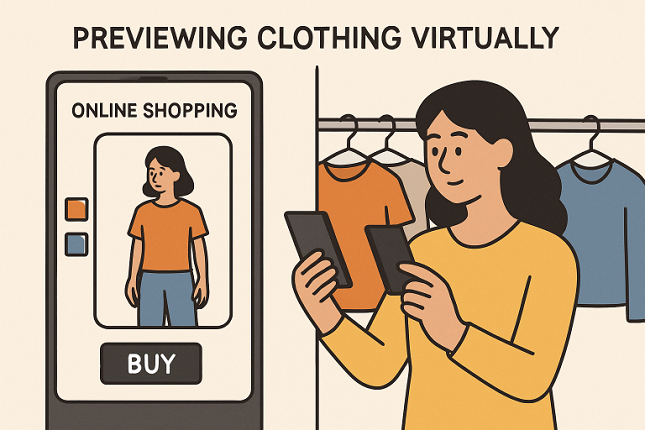
Virtual fitting rooms are reshaping the e-commerce experience in the apparel and accessories sectors. These tools use augmented reality and AI modeling, allowing shoppers to visualize how an item looks and fits on their body without visiting a store. For instance, Zalando’s virtual fitting room lets customers try select garments from home, boosting confidence in online purchases and driving conversion rates. This technology directly addresses the historic hesitation around online clothing purchases due to fit uncertainty and, as a side benefit, reduces costly returns, saving time for both retailers and customers.
Click-and-Collect Services Combine Convenience and Immediacy
The rise of click-and-collect, also known as Buy Online, Pick Up In Store (BOPIS), reflects changing shopping habits. This hybrid approach accommodates consumers who appreciate the ease of online browsing yet want the instant gratification of taking home a purchase the same day. Retail giants like IKEA and Tesco have expanded click-and-collect services and dedicated pick-up areas, encouraging customers to visit physical locations. These offerings are especially valued for holiday shopping, product launches, or last-minute needs. Additionally, this model increases in-store foot traffic, giving retailers more opportunities to engage shoppers and upsell complementary products.
Interactive In-Store Displays Engage Customers
To stand out from digital-only competitors, stores are increasingly investing in interactive, tech-driven displays. These digital experiences encourage customers to linger, try products, and learn more about features. For example, Microsoft’s wall-to-wall digital touchscreens enable hands-on product exploration, personalized recommendations, and real-time inventory updates. Such installations make the in-store environment feel modern and engaging, often providing exclusive content or offers. Innovative retailers are using interactive displays not just to entertain, but also to educate consumers and showcase product benefits, increasing conversion likelihood.
Mobile Payment Options Streamline Transactions
Mobile payment platforms like Apple Pay, Google Wallet, and store-specific solutions are connecting the dots between digital browsing and in-store checkout. These systems create a frictionless, fast way to pay, often with added security features. Many stores also integrate mobile payment with loyalty programs, automatically applying points or discounts and generating personalized rewards. Seamless payment options allow businesses to cater to digitally savvy shoppers and interface with various marketing touchpoints, enabling valuable data collection and observation of real-world shopper journeys. For more insights on the spread of these technologies, visit PYMNTS.
Data Analytics Optimize Inventory and Personalization
Unified data systems and sophisticated analytics are now essential components of retail. The ability to collect and analyze customer data from online and in-store channels allows retailers to fine-tune everything from inventory management to personalized promotions. Predictive analytics help forecast demand, reduce overstock, and prevent outages, leading to cost savings and a better shopping experience. Furthermore, advanced segmentation allows for more relevant marketing campaigns, encouraging loyalty and increasing satisfaction by meeting shoppers’ individual needs.
Omnichannel Strategies Create Cohesive Brand Experiences
Omnichannel retailing, which unifies online platforms, store inventory, and customer data, ensures shoppers have a seamless experience whether browsing on a desktop or mobile device or standing in a store aisle. Successful omnichannel retailers synchronize product availability, pricing, and promotions across all platforms, and they provide consistent service whether customers engage online or offline. Services such as BOPIS, same-day delivery, and easy in-store returns for online orders help solidify trust. By creating consistent messaging and branding across touchpoints, retailers increase the likelihood of repeat visits and word-of-mouth recommendations.
Conclusion
The convergence of online and offline retail is no longer an emerging trend. It is a competitive necessity. By adopting strategies such as virtual fitting rooms, click-and-collect, dynamic in-store displays, smooth mobile payments, and data-driven insights, retailers can meet and exceed evolving consumer expectations. The path to sustained growth lies in fusing innovative technology with the unique value of in-person shopping. The retailers most willing to embrace change are best positioned to thrive in the years ahead.