





























Modern warehouses are highly complex hubs of activity, requiring a delicate balance between speed, safety, and security. Facility managers are constantly looking for ways to optimise supply chain logistics and reduce operational bottlenecks. However, while much of the focus is on digital software and inventory tracking, physical infrastructure plays an equally vital role in a facility’s success. Upgrading essential entry points is one of the most effective ways to modernise a logistics centre. Beyond just basic protection, modern automated solutions offer a tangible return on investment by decreasing downtime and preventing inventory spoilage.
Streamlining Daily Operations
Removing manual bottlenecks is a foundational step to make a warehouse operation truly efficient . When workers and forklifts can move quickly and safely around the floor, overall productivity increases significantly. Standardising everyday processes relies heavily on having the right physical systems in place so that staff can focus on high-value tasks rather than fighting with outdated equipment. When operations move seamlessly, facilities can handle higher volumes of goods without needing to expand their actual physical footprint.
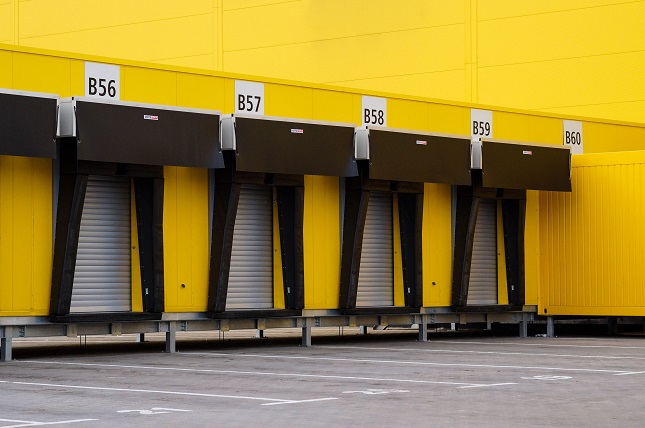
As of recently, a growing number of commercial facilities have adopted automation to boost scalability and speed. Installing high-speed commercial roller shutters is a prime example of this shift. These automated systems operate rapidly, limiting the time entryways remain open during peak transit. This effectively removes physical friction points and increases overall logistics throughput without requiring extra manual labour.
Prioritising Workplace Health and Safety
Safety is paramount in any industrial setting. Manually operating large industrial doors poses significant musculoskeletal risks to employees. Constantly pulling heavy chains or lifting massive steel barriers can lead to chronic injuries, lower morale, and long-term staff absences. Furthermore, eliminating these physically demanding tasks reduces the likelihood of workers’ compensation claims, which can otherwise significantly impact a company’s bottom line.
Workplace safety regulators take this issue very seriously. For example, official safety guidance regarding the opening and closing of heavy doors states that the preferred solution with the least risk is to either power the current door or install an automatic roll-fast door. By eliminating the manual task entirely, employers meet their legal duties to mitigate workplace hazards while simultaneously creating a safer environment for their team.
Enhancing Facility Security and Asset Protection
Break-ins and internal theft remain a costly reality for enterprises. Retail and supply chain theft costs Australian businesses an estimated $9.3 billion annually, and regional commercial zones often experience drastically higher property crime rates compared to nearby residential areas. Protecting high-value inventory requires more than just standard locks. Additionally, when these robust shutters are installed in loading bays or transit corridors, they create an imposing visual deterrent that discourages opportunistic criminals from attempting a break-in.
To combat these threats, modern facilities are adopting strict security models that combine robust physical barriers with digital authorisation. Heavy-duty automated shutters provide a formidable line of defence against external breaches. When integrated with advanced access control panels, facility managers can maintain a permanent, remotely accessible log of exactly who has entered specific inventory sectors, effectively minimising both external and internal risks.
Maximising Climate Control and Energy Savings
Industrial facilities can lose up to 25 percent of their HVAC energy strictly through inefficient or slow-operating door systems. In temperature-controlled warehouses, every minute a standard loading door is left open allows hundreds of cubic feet of conditioned air to escape. This places massive financial strain on cooling systems and increases long-term utility costs.
Upgrading to advanced, fast-acting doorway systems offers several major environmental and financial advantages:
- Reduced thermal exchange: Shutters that close in under five seconds can reduce heating and cooling loads by up to 38 percent compared to traditional doors that take much longer to operate.
- Temperature stability: Minimising the time a door is open prevents internal temperatures from dropping drastically during cooler months, protecting sensitive inventory from spoiling or freezing.
- Better insulation: Modern commercial shutters often feature polyurethane foam cores and tight perimeter gaskets, which significantly limit energy waste even when the door is fully closed.
- Lower equipment strain: Better temperature retention means HVAC systems do not have to work as hard, extending the lifespan of critical climate control machinery and reducing maintenance costs.
Investing in robust physical infrastructure is no longer just a structural necessity but a strategic business decision. By upgrading traditional entry points to automated systems, warehouse operators can drastically improve daily workflow, enhance site security, and reduce energy expenditures. Facilities that fail to adapt risk falling behind competitors who can move goods faster, safer, and at a lower operational cost. Ultimately, these upgrades create a safer, more productive environment that supports long-term commercial growth.