






























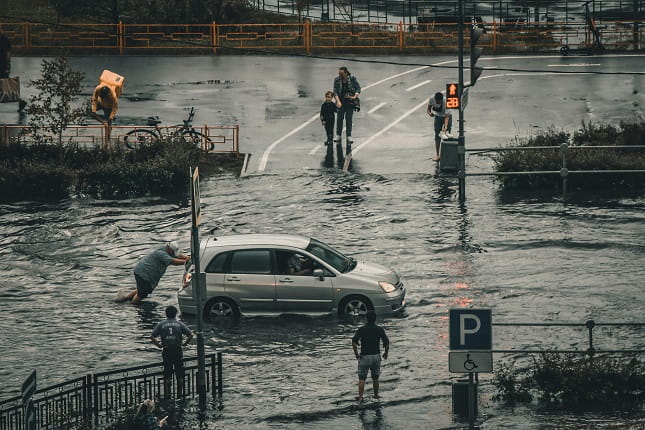
Getting your operations back on track after a flood is a race against time. The success of that recovery often depends on how well you document the scene for your insurers. By using expert flood cleanup services (this is commonly referred to as บริการทำความสะอาดหลังน้ำท่วม in Thai), you get a team on-site that manages the restoration and the data collection at the same time.
Damage Assessment Records for Claim Validation
What gets written down in the first visit tends to shape everything that follows. When a team walks through your site, they are not only looking at wet areas but also tracing how the water moved and where it settled. In a small distribution space, for example, water might pool under shelving while the upper stock looks untouched at first glance. That difference matters later.
If your cover includes a comprehensive insurance plan for small businesses, these early notes help match what is claimed with what is actually covered. Insurers often return to this initial record when something does not line up, so gaps or vague details can slow things down.
Moisture Mapping and Hidden Damage Detection Evidence
Some of the most important damage is the part you cannot see straight away. Water can sit inside wall cavities or under layered flooring long after the surface looks dry. A proper check uses moisture tools to track those pockets, not guess them. In an office fit-out, that could mean damp insulation behind panels while the outer surface feels fine.
That kind of detail gives your claim weight. Without it, parts of the loss can look questionable. It also reduces the risk of concerns around insurance fraud, since the readings show exactly where moisture remains and why further work is justified.
Process Documentation of Water Extraction and Drying
The clean-up itself usually unfolds over hours, sometimes days, and that timeline gets recorded as it goes. When extraction starts, where equipment is placed, how long certain areas take to dry, these details tend to build a running log. In a commercial kitchen, for instance, thicker flooring may hold moisture longer than expected, so drying there stretches out.
Those notes tend to read a bit like a timeline of what actually happened on-site. You can often see when certain areas dried slower than expected, or when equipment had to stay longer in one spot. Some insurers go through this section quite carefully, especially when they are trying to understand if the drying was carried out thoroughly or if any areas may have been missed at the time.
Contamination Classification and Risk Reporting
The water source often shapes how everything is handled, and teams usually spot that early, especially when floodwater brings more risk than a clean internal leak. In a storage area, some items are moved quickly, while others stay for closer checks based on how far the water reached.
These details often carry into your claim file, where insurers may look closely to decide what can be restored and what likely needs removal, especially in areas where hygiene or safety becomes a concern.
Contact Belfor today for fast-acting flood cleanup and other disaster recovery services.