






























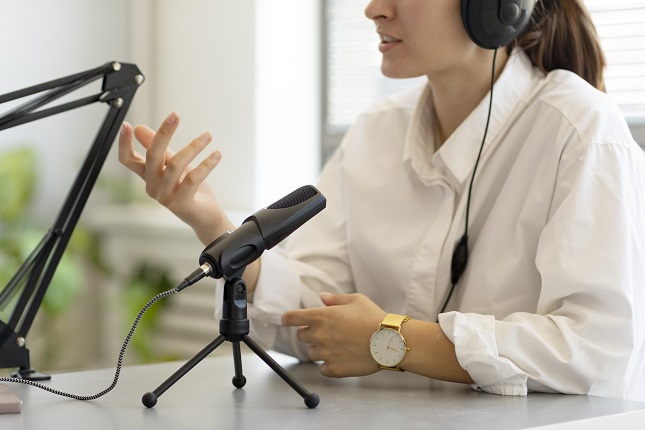
Audio content has reshaped the way professionals share knowledge, moving far beyond traditional entertainment. Podcasting and broadcasting have become essential tools for niche industries, allowing experts to communicate directly with highly targeted audiences. Instead of relying solely on written articles or brief video clips, professionals can host in-depth discussions that build trust and authority.
This shift is particularly visible in specialized fields like healthcare and dentistry. Medical professionals are discovering that long-form audio allows them to explain complex concepts in a relaxed, accessible format. Patients often feel overwhelmed by medical terminology during quick clinical visits. A well-structured podcast bridges this communication gap, giving listeners the time they need to understand their options.
By tuning into an industry-specific broadcast, individuals can learn about new treatments, recovery processes, and general wellness tips while commuting or exercising. This continuous flow of reliable information empowers patients to make informed decisions about their health and well-being.
Reaching Niche Audiences Through Audio
The beauty of modern broadcasting lies in its ability to connect with highly specific demographics. A generation ago, radio shows had to appeal to the broadest possible audience to justify their production costs. Now, a practitioner can launch a podcast dedicated entirely to a very narrow sub-field, and still find a dedicated, highly engaged listenership.
Listeners actively seek out content that addresses their immediate concerns. Someone experiencing chronic joint pain might subscribe to a rheumatology podcast. Similarly, a person looking to restore their smile will search for audio content discussing advanced dental reconstruction. Because the audience is already interested in the subject matter, the host does not need to rely on flashy gimmicks to hold their attention.
Building Trust Through Unscripted Conversations
Unlike highly edited commercial advertisements, podcasts often feature unscripted, conversational dialogue. When a host speaks candidly about the realities of a medical procedure, it humanizes the profession. Listeners hear the tone of voice, the empathy, and the expertise of the speaker, which fosters a deep sense of trust.
This level of transparency is incredibly valuable when discussing sensitive or intimidating topics. Hearing a doctor calmly explain a surgical process can alleviate a patient’s anxiety long before they even step foot into a waiting room.
Educational Broadcasting in Dentistry
Dentistry is a prime example of an industry uniquely positioned to benefit from digital broadcasting. Many people experience dental anxiety, often stemming from a lack of understanding about what certain procedures actually entail. Podcasts serve as an excellent medium to demystify these treatments.
Dental professionals frequently use their platforms to discuss innovations in oral care. They might dedicate an entire episode to comparing different types of restorative options, highlighting the pros and cons of each. For example, a host could outline how technological advancements have improved patient comfort, or detail the specific mechanics behind snap on dental implants in Lufkin TX, breaking down the clinical terminology so patients know exactly what to expect from the procedure.
Breaking Down Complex Treatments
When broadcasters focus on specialized treatments, they provide a valuable public service. They can interview guest specialists, share anonymous case studies, and answer listener-submitted questions. This format allows the host to address common misconceptions.
Instead of reading a sterile pamphlet, a patient can listen to a 30-minute discussion detailing the timeline of a dental implant recovery. The audio format allows the expert to explain the biological healing process, offer practical advice on managing temporary discomfort, and discuss the long-term benefits of the restoration. This comprehensive approach to patient education ensures that individuals are fully prepared for their health journey.
Formatting a Professional Broadcast
Producing a successful industry podcast requires more than just hitting the record button. Professionals must carefully consider their formatting to ensure the content remains engaging and informative. A mix of solo episodes, expert interviews, and patient Q&A sessions keeps the feed dynamic.
Audio quality is also paramount. Listeners will quickly abandon a broadcast if the sound is muffled or plagued by background noise. Investing in standard broadcasting equipment—such as dynamic microphones and acoustic treatment—demonstrates professionalism and respect for the audience’s time.
Additionally, consistency plays a major role in growing a listenership. Releasing episodes on a predictable schedule helps build a routine for the audience, ensuring that the host remains a regular part of their educational media consumption.
The Future of Industry Audio
As technology continues to evolve, the barrier to entry for high-quality broadcasting will only get lower. We can expect to see an even greater number of specialized professionals utilizing podcasts to share their expertise.
This decentralization of information benefits everyone. It allows experts to document their knowledge and provides the public with free, accessible education. For industries built on patient trust and complex scientific principles, audio broadcasting will undoubtedly remain a cornerstone of modern communication.