



























Key Takeaways
- Pennsylvania’s infrastructure projects are a major driver of economic growth and job creation, impacting small towns and cities alike.
- Investments extend beyond roads and bridges to digital infrastructure, helping communities stay connected in the digital age.
- Upgrades and strategic funding are revitalizing public spaces, improving public services, and expanding access to new business opportunities.
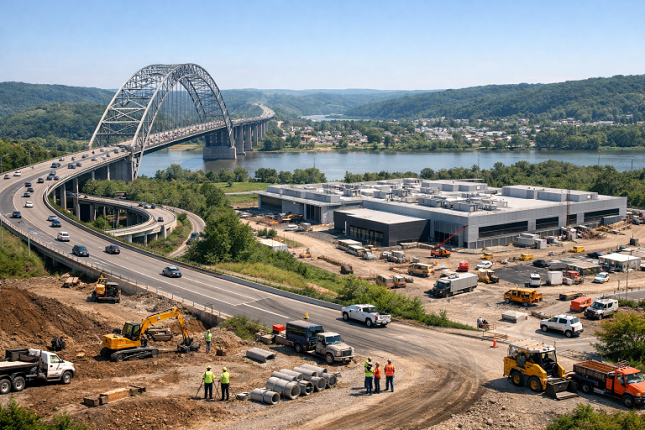
Infrastructure development continues to serve as a critical foundation for economic advancement in Pennsylvania. Strategic investments are taking place not just in highways and bridges but also in digital connectivity and local redevelopment projects. These efforts are simultaneously generating jobs, attracting new business opportunities, and revitalizing communities across the Commonwealth. Access to essential services like diesel delivery is also helping ensure that construction and transportation projects remain on track, further supporting local economies.
From major highway upgrades to the rise of data centers, the state’s renewed commitment to infrastructure is paving the way for more connected, resilient, and prosperous communities. These developments are crucial not only for day-to-day logistics but also for long-term economic resilience. Across Pennsylvania, leaders and residents alike are seeing firsthand the far-reaching impact of thoughtful infrastructure investment on jobs, local businesses, and overall quality of life.
Transportation Investments Boosting Local Economies
In December 2025, Governor Josh Shapiro unveiled more than $47 million in funding targeted toward 54 transportation projects across 34 Pennsylvania counties. This infusion of capital is part of the Multimodal Transportation Fund, supporting initiatives from highway and bridge improvements to safer pedestrian and bicycle pathways. These investments are vital for reducing traffic congestion, enhancing public safety, and strengthening the economic fabric of regions large and small. According to the Pennsylvania Department of Transportation, these upgrades help unlock growth potential by making communities more accessible and attractive to businesses looking to relocate or expand.
By improving mobility and access, transportation infrastructure not only supports the movement of people and goods but also facilitates new job opportunities and connections between regions. Small towns benefit by attracting visitors and new commerce, while larger metropolitan centers strengthen their economic footprint on both the state and national stage.
Digital Infrastructure: A New Economic Frontier
The surge in digital infrastructure, highlighted by significant data center development, is rapidly reshaping Pennsylvania’s economy. In Pittsburgh, the construction of a $10 billion data campus at the former Homer City coal plant site signals a transformational shift. These centers are becoming indispensable as local and national businesses require robust connectivity and data management, especially with the growing demands of artificial intelligence and e-commerce. Regions that invest in digital infrastructure are better positioned to compete and innovate in the global economy.
However, with opportunity comes responsibility. The energy and water demands of expanding data centers are significant, prompting a need for policies that balance growth with sustainability. State and local leaders are working with industry partners to explore renewable energy options and efficiency measures to address these challenges.
Revitalizing Communities Through Strategic Investments
A coordinated strategy is underway to restore Pennsylvania’s aging main streets, upgrade water and sewer systems, and expand affordable housing. Governor Shapiro’s administration has committed billions in public and private funds to projects ranging from Pittsburgh’s riverfront redevelopment to manufacturing growth in rural Lycoming County. Local leaders are leveraging state-sponsored loans and grants to spark business expansion, rehabilitate downtown districts, and provide critical infrastructure for future growth.
Smart Infrastructure: Enhancing Efficiency and Sustainability
Pennsylvania communities are embracing smart infrastructure to modernize essential public services, using advanced technologies to boost efficiency and sustainability. Construction firms and municipal agencies are deploying tools that help them pinpoint costs, forecast needs, and monitor resource usage, creating safer and greener urban environments. These smart systems lay the groundwork for adaptive infrastructure that can face future challenges such as population growth, changing weather patterns, and evolving economic needs.
Economic Impact of Transportation Infrastructure
Research from Penn State, conducted in partnership with the Pennsylvania Department of Transportation, provides concrete evidence of the positive economic impact of robust transportation networks. Through in-depth modeling across the state’s 67 counties, researchers showed how road and transit upgrades drive increases in regional economic activity, raise property values, and create sustained employment. These findings reinforce the vital link between well-maintained transportation assets and overall economic health, as documented in the International Journal of Transportation Science and Technology.
Challenges and Considerations
Despite the broad benefits, infrastructure projects pose certain challenges. The growing footprint of data centers, in particular, raises concerns about rising electricity and water consumption. Projections indicate that data centers could account for as much as 12 percent of national energy usage by 2028, up from 4.4 percent, stressing the importance of environmentally conscious development. Policymakers and project leaders are increasingly focused on balancing economic objectives with sustainability and community impact, ensuring that growth does not come at the expense of vital natural resources.
Conclusion
Pennsylvania’s infrastructure initiatives represent a comprehensive approach to economic development, blending new technology, smart planning, and sustainability. By investing in transportation, digital assets, and smart infrastructure, the state is building a more connected and prosperous future for all residents. The ongoing commitment of public and private sectors alike is evident in the improved quality of life, greater employment opportunities, and strong local economies that are emerging across the Commonwealth.
Frequently Asked Questions (FAQ)
What types of infrastructure projects are currently underway in Pennsylvania?
The state is advancing a wide range of projects, from highway and bridge upkeep to digital infrastructure upgrades and next-generation smart health and utility systems.
How do infrastructure projects impact local economies?
Upgrades create jobs, attract investment, and foster growth by making communities more accessible, efficient, and attractive to both residents and businesses.
What are the environmental considerations associated with infrastructure development?
Key concerns include increased energy and water use, especially from digital infrastructure projects such as data centers. Addressing these challenges requires sustainable planning and resource management at every stage.
How is Pennsylvania addressing the challenges of infrastructure development?
The state is deploying policies and partnerships aimed at achieving a careful balance between economic growth, environmental responsibility, and community engagement.