



























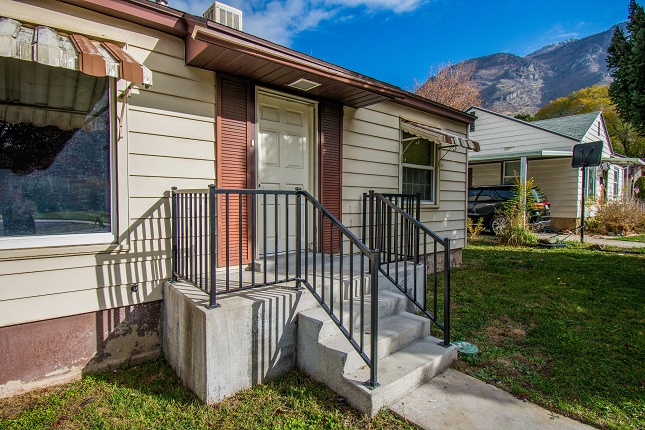
Unbelievably, the US Department of Veterans Affairs posted on its website that the 29 millionth home loan has been approved. In a country of 349 million people, that’s an incredible milestone. A sizable minority of the US population has served or is serving the nation in uniform. Whether at home or abroad, veterans are always front and center. These brave warriors defend our nation and preserve our heritage. Every veteran understands the meaning of sacrifice and service above self. Equally important are the realities of life for veterans’ families and close friends; they share their emotions from afar.
Veterans may find themselves at bases far from home. Active-duty personnel on the front lines are often in harm’s way. During deployment, vets often talk about owning their own home. Conventional mortgage practices may not apply to veterans. The traditional application process is clunky, tedious, and filled with bureaucracy. Lenders typically require a stable work history, proof of ability to pay, an acceptable credit score, multiple tax returns, and possibly even surety (cosigners) to approve a mortgage. But the most distressing part is the down payment requirement – up to 20% of the mortgage to avoid PMI.
The VA Steps in to Assist Veterans with the Mortgage Application Process
It’s against this backdrop that the US Department of Veterans Affairs created a framework to make it easier for veterans to own a home. It’s important to point out that the VA does not serve as a lender for veterans – that’s the responsibility of private lenders. However, the VA has structured the system to facilitate a seamless and streamlined process for veterans. While checks and balances remain, several friction points have been removed to make it easier for veterans to qualify.
The most important component of VA loan qualification criteria is a Certificate of Eligibility. Without it, VA loans cannot be granted. Eligibility can easily be confirmed through the VA by checking service records, discharge papers, etc. A Certificate of Eligibility is then issued to veterans who meet the criteria. Surviving spouses of deceased veterans may also qualify for VA benefits, subject to approval. Next, the veteran can approach any reputable lender to begin the process for a VA home loan. There are many reasons why veterans approach VA lenders as opposed to conventional mortgage lenders, notably:
- Veterans are not required to secure a down payment on a mortgage application. This is the fundamental difference between a VA loan and a traditional loan. Recall that private mortgage insurance (PMI) is needed for any down payment less than 20% of the mortgage. The median price of listed properties in the US is $440,000. A 20% down payment amounts to $88,000. Many veterans and non-veterans simply don’t have that kind of money saved up or lying around. That’s why the no down payment requirement is a game-changer for them. That’s why the no down payment requirement is a game-changer for veterans. It means a veteran can become a homeowner without having to save up for years.
- The Department of Veterans Affairs indicates that some private lenders may require down payments for certain borrowers using the VA guarantees. However, the VA does not require veterans to make a down payment. Given that the VA partially guarantees mortgages against default, it’s far more likely that private lenders will issue mortgages to veterans. These same partial government guarantees do not exist outside of VA home loans. As always, due diligence is encouraged. Lenders may tack on certain fees and charges as part of the loan underwriting process.
- The economic uncertainty surrounding interest rates is another area of concern for possible Given persistent inflationary pressures, high property prices, and excess demand in certain areas, it’s reassuring that VA loans are competitively priced. Often, the interest rate on VA loans is comparable to, or better than, the industry standard. These lower interest rates reduce the interest burden on loans, allowing for more discretionary income. Plus, VA loans have limited closing costs to help the buyer purchase a home as affordably as possible.
- Contary to popular opinion, VA home loans are not a one-trick pony. Veterans can access their VA home loan benefits any time they want. It’s a lifetime benefit gifted to veterans for their service to the country. In fact, the VA guarantees use of VA loans multiple times for eligible veterans. Loan benefits extend well beyond a mortgage; they also provide options for cash out refinancing, allowing veterans to tap into their home equity for renovations, repairs, adaptations, and future planning purposes.
Veterans are a unique class of homeowners. The symbiotic relationship ensures that society honors its veterans with meaningful assistance in the form of VA home loan benefits. These benefits translate into impressive cost savings over time. The no down payment is impressive. It fast-tracks the application process, eliminates PMI, and makes the prospect of homeownership a real possibility.