



























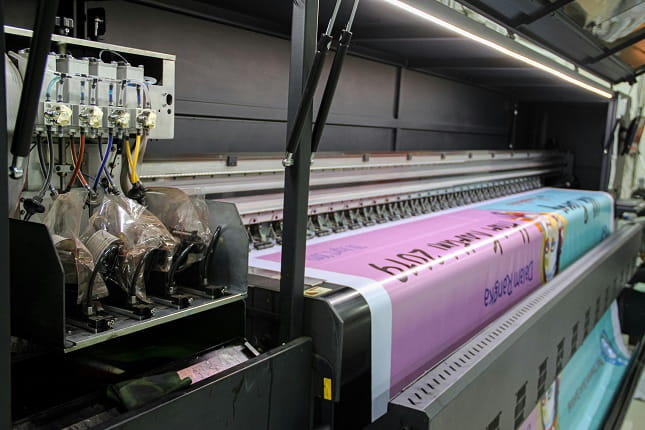
DTF printing is everywhere right now. You’ve probably seen it…. custom t-shirts, branded hoodies, event merch, even small business uniforms.
Looks simple from the outside. But when you actually place an order? That’s where questions start.
Will the print last?
Will the colors look the same as your design?
Will it arrive on time?
These are real concerns. And honestly, most people only learn the hard way.
So if you’re planning to order custom apparel for your business, event, or brand, here are practical DTF printing tips that actually help you get it right the first time.
Start with the Right Printing Partner (Not Just Price)
A lot of small businesses go for the cheapest option. Makes sense. Budgets matter.
But here’s what usually happens…
- Print looks dull
- Edges aren’t clean
- Design starts cracking after a few washes
That’s frustrating. And expensive in the long run.
Working with a reliable DTF printing service changes everything. You get guidance, better finishing, and prints that actually hold up over time. Good providers will also tell you upfront if your design needs fixing before printing…. saving you from bad results.
Your Design Matters More Than You Think
This is where most people mess up.
They send a low-quality image. Or something pulled from Google. Then expect it to look sharp on fabric.
It doesn’t work like that.
DTF printing can handle very detailed designs and unlimited colors, but the output is only as good as the file you provide.
Keep it simple:
- Use high-resolution files (PNG or vector if possible)
- Avoid blurry or pixelated images
- Make sure colors are clear and well-defined
Also, if you’ve ever searched about DTF vs. Screen Printing, you’ll notice how often quality depends more on execution than just the method itself. That’s why choosing the right service matters more than anything else.
Don’t Ignore Fabric Choice
Here’s something people don’t think about until it’s too late.
Not all garments feel the same after printing.
DTF works on cotton, polyester, and blends, which is great. But the final look and feel still depends on what you choose.
For example:
- Soft cotton — more comfortable for everyday wear
- Polyester blends — better for activewear
- Heavy fabric — more durable for work uniforms
If you’re ordering for staff or resale, this matters a lot. A good provider will usually recommend what works best based on your use.
Order Samples Before Going Big
This one saves people from big regrets.
You’re excited. You place a bulk order. Everything looks fine on screen. Then the order arrives… and it’s not what you expected.
Different shade. Slight size issue. Placement feels off.
That’s why samples matter.
Even if it costs a bit extra, always test one piece first. Check:
- Print quality
- Fabric feel
- Fit and sizing
- Color accuracy
Small step. Big difference.
Be Clear About Your Purpose
Sounds obvious, but it’s not.
People often say, “I just need custom shirts.”
Okay… for what?
- Staff uniforms?
- Event giveaways?
- Selling as merch?
Each one needs a slightly different approach.
For example:
- Events — bold, eye-catching designs
- Uniforms — clean, minimal branding
- Merch — something people actually want to wear
DTF printing allows full-color, detailed designs without extra cost per color, so you can be creative. But clarity helps your provider guide you better.
Understand Turnaround Time (Don’t Leave It Last Minute)
Deadlines sneak up fast.
One day, you’re planning an event. Next thing you know…. It’s next week.
Printing, especially custom orders, takes time. Even though DTF is known for fast production and flexibility, delays can still happen if:
- Design changes last minute
- Order volume is high
- Details aren’t finalized
Give yourself buffer time.
And always confirm delivery timelines before placing the order.
Check Print Durability (This Is a Big One)
You don’t want prints that fade after a few washes.
Quality DTF prints are designed to handle regular use, including washing and stretching. But again…. it depends on how well it’s done.
Before finalizing your order, ask:
- How long will the print last?
- Any special care instructions?
Also, quick tip:
Good prints feel smooth but not overly thick. If it feels like plastic sitting on top, that’s usually not a great sign.
Keep Branding Consistent
If you’re running a business, consistency matters more than you think.
Same logo. Same colors. Same placement.
This helps people recognize your brand easily.
DTF printing is great for this because it allows repeatable, consistent results across multiple items.
So if you’re ordering in batches or over time, stick to the same design specs.
Communicate Clearly (It Solves Most Problems)
Most issues don’t come from printing. They come from miscommunication.
Wrong size. Wrong placement. Wrong color tone.
All avoidable.
Before confirming your order:
- Double-check design files
- Confirm placement (front, back, size)
- Review mockups if provided
A quick review now saves a lot of back-and-forth later.
Know That Small Orders Are Totally Fine
Some people hesitate because they think they need huge quantities.
Not true.
DTF printing works really well for small and medium orders. In fact, it’s one of the reasons it’s growing so fast in the apparel industry.
So if you’re testing a new idea, launching a small brand, or ordering for a small team…. you’re good.
Think About Placement and Sizing for Maximum Impact
Many small businesses focus heavily on the design itself, but overlook where and how the design will appear on the garment. Placement and sizing play a major role in how professional and eye-catching the final product looks.
For example, a logo that is too small may go unnoticed, while an oversized design can feel overwhelming or unbalanced. Strategic placement ensures your branding is clearly visible and visually appealing.
Wrap up!
DTF printing makes custom apparel easier than ever. But getting good results still comes down to a few simple things.
- Choose the right provider
- Use a clean, high-quality design
- Order samples first
- Be clear about your needs
That’s it.
No overcomplication.
If you get these basics right, your prints will look better, last longer, and actually represent your brand the way you want.
And honestly… that’s what matters most.