





























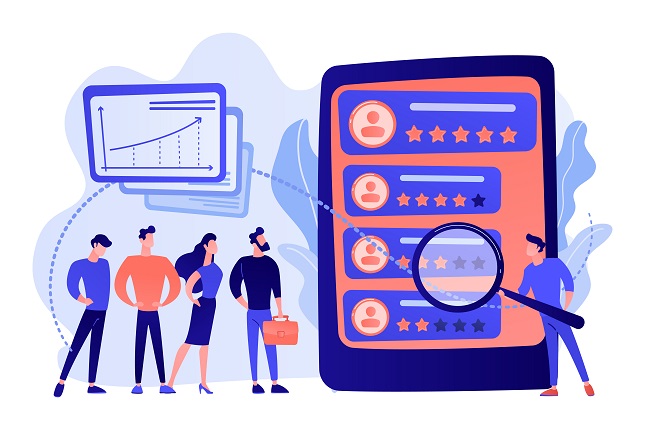
What is customer insights analysis?
Customer insights analysis focuses on gaining a deeper understanding of customers—what they think, how they feel, and the reasons behind their behaviors. It goes beyond simply gathering survey responses or tracking satisfaction scores. The true value lies in uncovering the meaning behind the data.
For instance, a customer survey may show that users dislike a particular feature. Customer insights analysis takes this a step further by identifying why customers are frustrated, how the issue affects their experience, and which improvements would have the biggest impact.
At its foundation, customer insights analysis helps businesses answer questions like:
- Why do customers prefer one brand over another?
- Why do customers stop using a product or service?
- Which features generate the highest satisfaction?
- What influences purchasing behavior?
- How do customer expectations change over time?
By combining qualitative feedback with quantitative information, businesses can develop a well-rounded understanding of their customers.
Why customer insights are important for business growth
Customer insights play a major role in shaping strategic business decisions. Companies that truly understand their customers are better positioned to create products, services, and experiences that match customer expectations.
A Better Understanding of Customers
Customer insights help businesses uncover customer motivations, preferences, and pain points. Rather than viewing all customers as one broad audience, organizations can recognize the unique needs of different customer groups.
This deeper understanding helps reveal:
- What motivates customers to make purchases
- Why customers stay loyal
- Which experiences create frustration
- What customers value most
- How various customer groups behave
These insights enable businesses to create more valuable and engaging customer experiences while aligning decisions with the authentic voice of the customer.
Improved Decision-Making
Organizations that use customer insights can make more informed decisions more quickly. Instead of relying on assumptions, business leaders can use strategies supported by real customer feedback and behavioral data.
This strengthens decision-making across areas such as:
- Product development
- Marketing initiatives
- Customer support enhancements
- Pricing decisions
- User experience improvements
Data-driven decisions reduce uncertainty and help companies move forward with greater confidence.
Personalized Customer Experiences
Personalization is now a key factor in customer engagement. Businesses that understand customer preferences can deliver experiences tailored to individual needs.
Examples of personalization include:
- Product recommendations based on purchase history
- Targeted promotions for specific customer segments
- Personalized email marketing
- Dynamic website experiences
- Customized onboarding processes
Personalized interactions help customers feel appreciated and understood, increasing both satisfaction and loyalty.
Steps to building a customer insights strategy that supports growth
1) Establish Clear Objectives
An effective customer insights strategy starts with clearly defined goals. Without clear objectives, businesses may collect large amounts of data without knowing how to apply it effectively.
Companies should first identify what they want to accomplish through customer insights analysis.
Common goals include:
- Increasing customer satisfaction
- Improving retention
- Reducing churn
- Enhancing product experiences
- Boosting conversion rates
- Improving customer support
- Strengthening brand reputation
Clear objectives provide direction and ensure customer insights initiatives stay focused on measurable outcomes.
For example, instead of using a broad goal like “improve customer experience,” a company could define a more actionable target, such as:
“Increase our Net Promoter Score by 10 points within the next 12 months by simplifying onboarding.”
Clear goals also help teams determine which data should be collected and analyzed.
2) Identify Valuable Data Sources
Customer insights come from a variety of sources. Businesses that depend on a single source often miss valuable context.
The strongest customer insights strategies combine multiple sources to create a more complete picture of customer behavior.
Customer Surveys
Surveys provide direct feedback from customers and help businesses measure satisfaction, loyalty, and expectations.
Support Interactions
Support tickets, chat conversations, and call transcripts often uncover recurring issues and customer frustrations.
Social Media and Online Reviews
Customers frequently share honest opinions on social media, forums, and review platforms. Monitoring these discussions helps businesses understand customer sentiment and public perception.
3) Segment Customers for Deeper Insights
Not all customers behave the same way. Customer segmentation allows businesses to group customers based on shared traits, behaviors, or needs.
Segmentation helps uncover insights that may otherwise be hidden within overall averages.
Common segmentation categories include:
- Demographics
- Location
- Buying behavior
- Product usage
- Customer lifecycle stage
- Industry
- Spending patterns
For example, a software company may learn that new customers struggle with onboarding while long-term users want more advanced customization features. These audiences require different solutions and experiences.
4) Use Analytics and AI to Identify Trends
Modern businesses generate huge amounts of customer data every day. Manually reviewing thousands of customer comments, reviews, or support conversations is both time-consuming and inefficient.
This is where analytics tools and artificial intelligence become highly valuable.
Descriptive Analytics
Descriptive analytics helps summarize what is happening within customer data. Dashboards and reports can track trends such as customer satisfaction scores, churn rates, and support volume.
Sentiment Analysis
Sentiment analysis tools evaluate customer language to determine whether feedback is positive, negative, or neutral.
This helps businesses quickly identify:
- Frequent complaints
- Emotional responses
- Product-related frustrations
- Positive customer experiences
Predictive Analytics
Predictive analytics uses machine learning to forecast future customer behavior. Businesses can identify customers who may churn or predict future buying trends.
AI-Powered Customer Insight Platforms
AI-powered platforms can automatically organize customer feedback into categories and uncover patterns at scale.
For example, AI may reveal that complaints about shipping delays have increased over the past month or that many customers are confused during onboarding.
AI enables businesses to process large amounts of qualitative feedback efficiently while identifying insights that may otherwise be overlooked.
5) Map the Customer Journey
Customer journey mapping helps businesses visualize every interaction customers have with a brand.
This may include:
- Discovering the brand
- Browsing the website
- Making a purchase
- Contacting support
- Using the product
- Renewing subscriptions
- Recommending the company to others
Journey mapping helps businesses identify areas where customers experience friction or frustration.
For example:
- Customers may abandon their carts during checkout
- Users may struggle during onboarding
- Long support wait times may lower satisfaction
- Customers may become confused during account setup
By combining customer feedback and behavioral data at each stage of the journey, businesses can identify areas that need improvement.
Journey mapping also helps organizations better understand customer emotions throughout the experience, making it easier to prioritize meaningful improvements.
Conclusion
Customer insights have become one of the most valuable strategic resources for modern businesses. Companies that truly understand their customers can make smarter decisions, create better experiences, strengthen loyalty, and support long-term growth.
Customer insights analysis transforms raw feedback and behavioral data into actionable strategies. Through surveys, analytics, AI, customer journey mapping, and segmentation, businesses can uncover what customers truly want and use those insights to guide business decisions.
The most successful organizations are not just collecting data—they are continuously listening, learning, and adapting. They use customer insights to improve products, personalize experiences, optimize operations, and innovate faster than competitors.
As customer expectations continue to evolve, businesses that turn customer insights into strategic action will build stronger relationships, improve retention, and achieve sustainable growth.