





























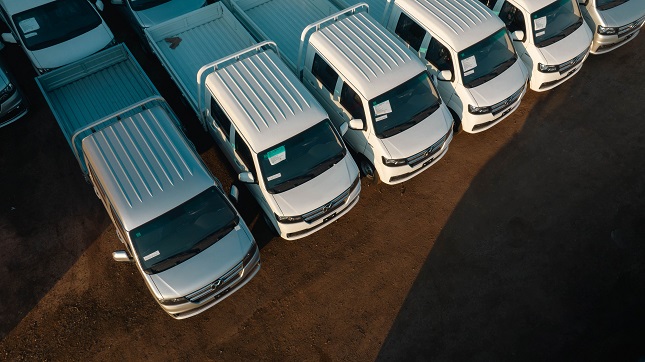
Expanding a business fleet is an exciting step. It often means your company is growing, serving more customers, or entering new markets. However, adding vehicles to your operation should never be a rushed decision. The right fleet can improve efficiency, support your team, and strengthen your brand. The wrong choices can create unnecessary costs and logistical headaches.
Before you invest, here are some important questions to ask yourself.
What Will Each Vehicle Be Used For?
Start with purpose. Will your vehicles be used for deliveries, client visits, employee transportation, equipment hauling, or service calls? A small sedan may be ideal for sales representatives, while a larger SUV or van may be better suited for teams carrying tools, products, or supplies.
Thinking carefully about daily use helps prevent overspending on features you do not need or choosing vehicles that cannot handle the job.
How Many Vehicles Do You Actually Need?
It can be tempting to buy more vehicles than necessary when business is going well, but a fleet should match real demand. Review current workloads, employee schedules, customer locations, and projected growth.
Ask whether your existing vehicles are being fully used. If some are sitting idle for long periods, better scheduling may solve the problem without another purchase. If your team is consistently stretched, expansion may be the right move.
Should You Buy New Or Used?
Both new and used vehicles can make sense for a business fleet. New vehicles may offer updated technology, warranties, and lower early maintenance needs. Used vehicles can reduce upfront costs and may allow you to purchase more units within the same budget.
For businesses comparing local options, researching cars for sale Wichita KS at midwestkia.com can be a useful starting point when looking at practical vehicle choices for company use.
What Is The Total Cost Of Ownership?
The purchase price is only one part of the equation. You also need to factor in insurance, fuel, maintenance, registration, taxes, financing, and depreciation. A cheaper vehicle may cost more over time if it uses more fuel or requires frequent repairs.
Create a realistic monthly and annual budget for each vehicle. This gives you a clearer view of what your business can comfortably afford.
How Important Is Fuel Efficiency?
Fuel costs can add up quickly, especially if your employees drive long distances each week. Choosing fuel-efficient vehicles can help lower operating expenses and make your fleet easier to manage financially.
You may also want to consider hybrid or electric options if they fit your routes, charging access, and daily mileage needs.
What Safety Features Matter Most?
Your vehicles carry your employees, your equipment, and your company reputation. Safety should be a major part of the decision. Look for features such as backup cameras, blind spot monitoring, lane assistance, automatic emergency braking, and strong crash safety ratings.
A safer fleet can reduce accident risks and may also help with insurance considerations.
How Will You Manage The Fleet?
As your fleet grows, so does the need for organization. Think about maintenance schedules, driver assignments, mileage tracking, fuel cards, inspections, and vehicle records. Even a small fleet benefits from clear policies.
Expanding your business fleet can support growth, but only when each decision is made with care. By asking the right questions early, you can choose vehicles that serve your business well today and continue to make sense as your company grows.