





























Downtime can be expensive for any business, but the impact can feel especially serious when you operate with a smaller team and tighter margins. A malfunctioning motor, failed control component, or electrical fault can bring production to a halt and leave customers waiting.
Fortunately, many disruptions can be reduced with the right electrical control systems and a proactive maintenance strategy. In this guide, we’ll outline practical ways you can use electrical controls to improve reliability, protect equipment, and keep your business moving.
1) Choose Control Components That Match Your Equipment
The right electrical control system starts with choosing components that actually match your equipment and operating requirements. Using an incompatible or poorly specified component can create unnecessary stress, inconsistent performance, and avoidable failures.
When sourcing components, consider factors such as motor size, voltage, load requirements, operating environment, and expected duty cycle. You should also consider whether replacement parts will remain available when something eventually fails.
Working with an experienced electrical control distributor can make this process easier. A knowledgeable distributor can help you identify suitable components instead of simply choosing products based on price or availability.
This approach can also make future maintenance simpler. When your control components are properly specified and documented, technicians can diagnose problems faster and replace failed parts with greater confidence.
2) Use Variable Speed Drives Where They Make Sense
Motors are often critical to small business operations. They may power pumps, fans, conveyors, compressors, machine tools, and other equipment. When these motors operate inefficiently or experience excessive mechanical stress, the chances of failures are high.
Variable frequency drives, or VFDs, can help in applications where motor speed needs to change according to demand. Instead of forcing a motor to operate at full speed continuously, a VFD can adjust speed to suit the process. The U.S. Department of Energy identifies variable speed control as an important opportunity for improving motor system performance, particularly when operating requirements vary.
Don’t assume every motor needs a VFD, though. The application, load profile, motor compatibility, and expected operating conditions all matter. When properly selected, however, variable speed control can improve process control while potentially reducing energy consumption and mechanical stress.
3) Build Preventive Maintenance Into Your Operations
You don’t want to wait for your equipment to fail so that you can do repairs and servicing. A breakdown will probably happen at the worst possible time, forcing you to deal with emergency repairs, lost production, delayed orders, and potentially unhappy customers.
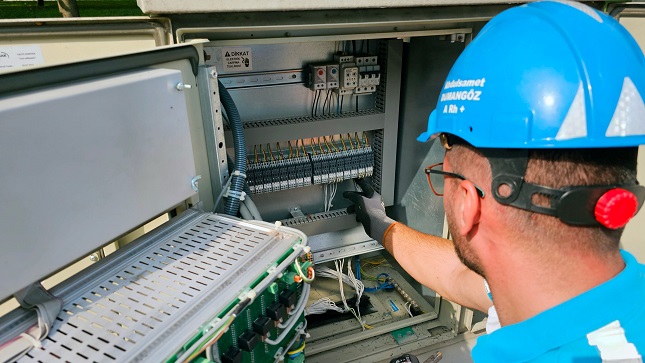
Instead, establish a preventive maintenance schedule based on your equipment and operating conditions. Inspect electrical control cabinets, connections, drives, motors, sensors, and other critical components at appropriate intervals.
You should also keep records of recurring faults. If the same motor repeatedly overheats or a particular control component keeps failing, the problem may not be the component itself. There could be an underlying issue with the application, wiring, load, environment, or control settings.
4) Monitor Equipment Before a Failure Occurs
Modern control systems can give you more information about equipment performance than older systems. Monitoring temperature, current, vibration, operating hours, fault conditions, and other relevant measurements can help you identify unusual behavior. This matters because equipment rarely fails without warning. For instance:
- A motor may begin drawing abnormal current
- A component may operate at a higher temperature than normal
- A drive may generate recurring fault codes.
These signs can indicate that something needs attention. You can use this information to schedule maintenance before the equipment stops working completely. Predictive maintenance approaches can also help you prioritize the equipment that presents the greatest operational risk.
If you run a small business, this can be especially valuable. You probably don’t have a large maintenance department, so knowing which equipment needs attention first can help you use limited time and resources more effectively.
5) Protect Controls From Harsh Operating Conditions
Electrical control systems can be affected by heat, dust, moisture, vibration, power fluctuations, and other environmental conditions. If your equipment operates in a harsh environment, these factors should be considered when designing and maintaining the control system. Start by examining where your control cabinets and electrical components are installed:
- Are they exposed to excessive heat?
- Is dust entering the enclosure?
- Could moisture or chemicals affect sensitive components?
- Are cables and connections exposed to unnecessary vibration?
You should also keep control cabinets clean and inspect them regularly. Poor ventilation can contribute to overheating, while contamination can affect electrical components and connections.
Your aim should be to give your control equipment an environment where it can operate reliably. Small improvements in installation and maintenance can prevent problems that would otherwise become expensive failures.
6) Plan for Failures Before They Happen
Even the best electrical control system can eventually experience a failure. You don’t have to eliminate every possible breakdown. Instead, you want to make sure a failure does not bring your business to a standstill for longer than necessary.
Create a basic response plan for your most important equipment. Know which components are critical, where spare parts are stored, who can diagnose the problem, and which service providers can assist when your internal team cannot resolve an issue.
You should also document important equipment information. Keep manuals, wiring diagrams, control settings, part numbers, and maintenance records accessible. When a technician arrives during an emergency, having this information available can reduce diagnostic time.
Endnote
Reliable operations start with treating your electrical control system as a priority, not an afterthought. Choosing the right components, using variable speed drives where they make sense, building a preventive maintenance routine, monitoring equipment before failures occur, protecting controls from harsh conditions, and planning ahead for the failures you can’t avoid, all work together to keep your business running smoothly.
None of these steps requires a massive overhaul or an unlimited budget. You just need to be consistent and be willing to catch small issues before they become expensive ones. If you invest time in these practices, you undoubtedly spend less on emergency repairs and lose fewer hours to unplanned downtime. Ultimately, a well-maintained electrical control system isn’t just about avoiding breakdowns; it’s about protecting the business you have worked hard to build.