






























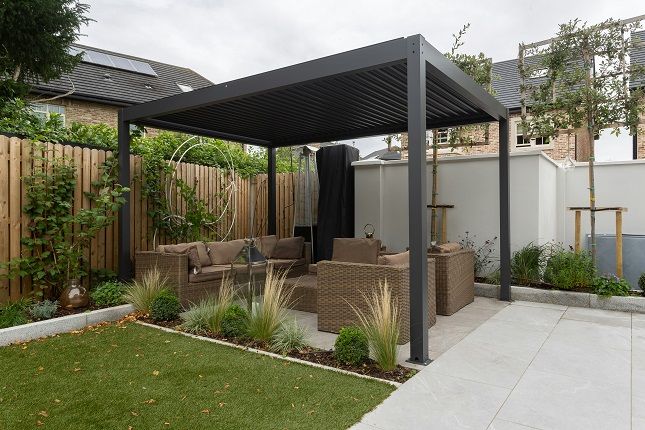
When preparing a home for the market, sellers usually focus their energy on the interior. They declutter closets, apply fresh paint, and arrange furniture to make rooms feel spacious. However, focusing solely on the inside ignores the first thing a prospective buyer sees. Professional home staging must extend to the property’s exterior. Landscaping is a critical, yet frequently underestimated, component of a comprehensive staging strategy. Whether you are consulting with a top real estate agent in Orlando or preparing a listing in a competitive market, the outdoor presentation sets the tone for the entire showing. Neglecting the yard is a critical oversight that can actively sabotage interior staging efforts. The lawn, garden beds, and walkways are the opening chapter of a home’s story. By treating the landscape as an essential staging element, sellers can capture buyer interest from the moment they arrive, paving the way for higher offers and a faster sale.
The Psychology of First Impressions
The importance of curb appeal is rooted deeply in the psychology of first impressions. Research shows that home buyers form an opinion within the first ninety seconds of stepping onto a property. These moments determine whether buyers envision themselves living in the home or move on. In fact, a survey by the National Association of Realtors reveals that seventy-one percent of homebuyers consider curb appeal a decisive factor when deciding whether to tour a property. Furthermore, sixty-three percent of buyers report that their purchasing decisions are heavily influenced by the initial atmosphere during the showing. An overgrown or neglected yard sends an immediate, subconscious signal of deferred maintenance. Buyers automatically assume that a seller who neglected the visible lawn has also ignored hidden systems like plumbing or electrical work. Conversely, a manicured landscape builds trust, raising the buyer’s price ceiling before they enter.
The Financial Return of Outdoor Staging
The financial benefits of strategic landscaping are backed by robust real estate data, consistently outperforming traditional interior projects. Quality landscaping can boost a home’s value by fifteen to twenty percent, with neglected yards seeing gains up to thirty percent. A study by Virginia Tech Extension found that upgrading a property’s landscaping from average to excellent condition increases perceived value by 5.5% to 11.4%. Contrast this with typical interior renovations; while kitchen and bathroom remodels rarely break even, returning only fifty to eighty percent of their costs, basic outdoor enhancements deliver massive returns. According to the National Association of Realtors, routine lawn care yields a staggering 217% return on investment. General landscape maintenance, such as mulching, pruning, and clearing overgrown garden beds, recovers 104% of its cost at resale. These high-yield projects efficiently extract maximum equity.
Design Principles and the Rule of Three
Effective landscaping relies on structured design principles that elevate perceived value. One powerful concept is the rule of three, which dictates grouping plants or design elements in odd numbers to create visual balance. The eye naturally perceives odd-numbered groupings as organic and cohesive, whereas even-numbered arrangements feel rigid. Sellers can apply this by grouping a dominant structural plant, a medium-textured secondary plant, and a low-growing accent plant near the entryway. Maintaining proper scale relative to the house is also essential. A large two-story house with tiny shrubs looks unbalanced. Visual anchors, such as an ornamental tree or substantial foundation plantings, give the structure weight. Layering plantings by placing taller elements in the back, medium shrubs in the middle, and low ground covers near the lawn adds depth. This layered approach ensures that the landscape looks established, making the property feel far more substantial.
Prioritizing by Budget and Timeline
When preparing a home for sale, both the budget and listing timeline dictate which landscaping projects to prioritize. For those on a tight budget under five hundred dollars, the focus should remain on high-impact cosmetic fixes. Sharp edging, weeding, pressure washing walkways, and placing potted annuals near the front door will transform entryways. Sellers with a moderate budget can invest in fresh dark mulch to define garden beds and prune overgrown shrubs that block natural light. If the listing timeline is thirty days out, major installations should be avoided because new plantings need time to settle. Instead, final-month efforts should center on lawn health, mulching, and cleanup. When a seller has sixty to ninety days before going live, they can tackle larger investments such as walkway upgrades or professional sod installation. Aligning the scope of work with the calendar ensures that the property looks thriving for photos.
Landscaping Pitfalls That Devalue a Property
Just as good landscaping can elevate a home, poor outdoor choices can actively decrease its value. Over-landscaping is a common trap where sellers spend excessively on personalized or high-maintenance plants. If the investment exceeds ten percent of the home’s value, or pushes past the neighborhood price ceiling, returns drop precipitously. Buyers rarely want to pay a premium for high-upkeep yards that resemble boutique gardens. Additionally, structural landscaping issues can trigger red flags during inspections. Poor grading that drains water toward the foundation, cracked concrete walkways, or rotting decks are safety hazards that lead to substantial price-reduction requests. Trees planted too close to the home can threaten foundation integrity, while invasive plant species may create legal disclosure requirements that delay closing. Customized water features, like koi ponds, narrow the buyer pool because they represent maintenance burdens. Keeping the design neutral and low-risk protects the seller from costly inspection negotiations.
Conclusion
Integrating landscaping into a home staging plan is not an optional luxury; it is a fundamental business strategy for any homeowner looking to maximize resale value. By understanding the psychological weight of first impressions and prioritizing projects that yield the highest financial return, sellers can ensure their property stands out. Transforming a yard requires clean maintenance, balanced design scale, and avoiding over-improvements. When outdoor spaces are treated with the same staging care as interior rooms, they create a seamless, inviting narrative that captivates buyers from the curb to the kitchen. However, for some sellers, the investment of time, labor, and capital required to execute a complete landscaping overhaul is simply not feasible given their listing timeline. In these situations, exploring alternative options can provide a simpler path forward. If you prefer to bypass the stress of staging, remodeling, and managing contractors entirely, working with a direct buyer is an attractive solution. For those seeking a swift transition, services like we buy houses Florida offer a reliable way to secure a competitive cash offer and sell as-is.