



























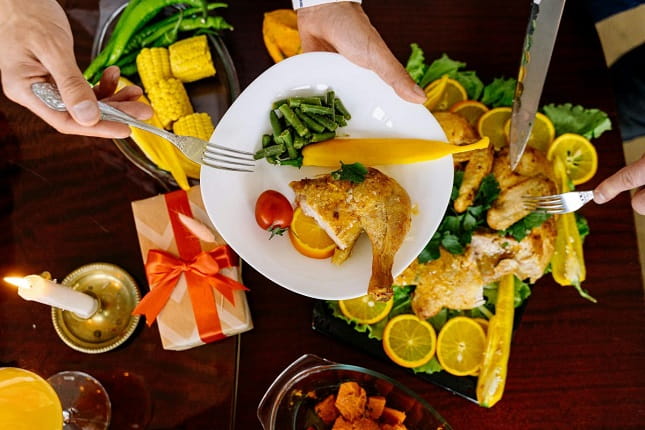
People no longer judge a restaurant only by flavor or presentation. They want to know where ingredients came from, who grew them, and whether their meal supports better communities and better land use. That shift has made the farm-to-table movement more relevant than ever.
If you want to elevate the experience in your restaurant, you need more than a menu filled with fresh produce. You need a story guests can taste, see, and remember. When done well, farm-to-table dining turns an ordinary meal into something personal, immersive, and worth returning for.
Here’s how to serve excellent meals while establishing a meaningful connection with modern diners.
Build Trust Through Genuine Sourcing
One common challenge for restaurants is that guests often doubt claims about freshness or sustainability. Many menus use words like “fresh” and “local” without proof, which can make customers skeptical.
Start by creating real partnerships with local farmers, artisan producers, and fisheries rather than relying on vague suppliers. A transparent model built around premium gourmet food and fresh produce at The Herdsman and similar markets helps solve that issue by giving diners confidence in ingredient quality, traceability, and consistency.
If your tomatoes came from a nearby grower or your greens were harvested that morning, say so clearly. Mention the regenerative farm that supplied your herbs or the fishing docks that delivered the day’s seafood. Guests appreciate honesty, and trust often becomes loyalty.
Let the Seasons Shape the Menu
A truly memorable farm-to-table concept changes with the calendar. Instead of forcing the same dishes year-round, allow the harvest to guide your offerings. That approach creates excitement because guests know there will always be something new to try.
Spring might highlight heirloom vegetables and tender greens. Summer can feature locally grown fruits, bright salads, and wood-fired pizzas topped with peak-season produce. In cooler months, root vegetables, slow-cooked meats, and rich sauces feel more comforting. These seasonally inspired dishes reflect nature’s rhythm while keeping your kitchen creative.
Menus that evolve naturally also reduce waste. You buy what is abundant, use ingredients at their best, and avoid paying premium prices for out-of-season imports.
Turn Dinner Into an Experience
Great food matters, but memorable dining often comes from atmosphere and interaction. Create moments they cannot get elsewhere. Host farm-to-table dinners in your garden courtyard or dining room with a beautifully arranged long table. Offer a multi-course tasting menu that introduces each ingredient’s journey from paddock or sea to plate. Include interactive chef moments where cooks explain preparation methods, carving techniques, or flavor pairings.
These details make guests feel included rather than simply served. They also justify premium pricing because the meal becomes entertainment, education, and hospitality in one package.
Celebrate the People Behind the Plate
Your suppliers should not stay invisible. Food becomes more meaningful when customers see real faces behind ingredients. Diners love meeting the people who grow, catch, bake, ferment, or craft what they eat. Invite local chefs for collaborative nights or spotlight the farmer’s bounty in special menus named after partner growers.
You might feature a cheesemaker, a beekeeper, or a baker known for artisan’s craftsmanship. Offer a seafood night centered on the fisherman’s catch delivered that morning. Highlight how artisan producers contribute depth and authenticity to the meal. Doing do strengthens your restaurant’s place in the local food economy.
Respond to Modern Food Preferences
Today’s guests expect choice without compromise. That means your menu should welcome different lifestyles while staying rooted in quality ingredients. Group bookings become easier and repeat visits more likely when everyone at the table feels catered to. Farm-led dining is ideal for this because fresh produce naturally supports flexibility.
Offer thoughtful plant-based options for vegan diets rather than token dishes. Use organic veggies in colorful mains packed with texture and flavor. Include sustainably sourced fish for lighter seafood choices and ethically raised meats for guests who want traditional proteins.
Understand Current and Future Market Trends
Consumer demand is moving toward freshness, provenance, and healthier eating. In Australia, 90% of fruits and vegetables, as well as dairy products, are locally produced. About 59% of the country’s food and beverages comprise pre-packaged and processed products. That contrast reveals a strong opportunity for restaurants that champion real ingredients and transparent sourcing.
In many agricultural states, consumers are becoming more aware of food systems and how the food supply chain affects quality, nutrition, and sustainability. Restaurants that bridge the gap between producers and consumers can become a culinary destination in their region.
As awareness grows, guests will increasingly seek venues that celebrate locally grown food, ethical farming methods, and local and regional ingredients. Those who adapt early will lead the future dining scene.
Make Sustainability Visible
Visible efforts turn sustainability into part of the guest experience rather than a hidden back-office process. However, many restaurants work responsibly but fail to communicate it. If customers cannot see your efforts, they may never value them. Showcase sustainable agriculture and business practices in ways that feel authentic and practical.
Explain your composting system on the menu. Share stories about regenerative practices used by growers. Mention reusable packaging, reduced transport miles, or water-saving kitchen systems. Host farm-to-table events that teach guests how better sourcing supports nourishing the community.
Use Presentation to Reflect Place
A farm-focused menu should look as vibrant as it tastes. Use plating that highlights freshness rather than hiding it under unnecessary complexity. Let roasted carrots look like roasted carrots. Let herbs smell alive. Let ripe peaches shine.
Rustic ceramics, timber boards, and natural textures can reinforce the feeling of abundance. Thoughtful wine and beer pairings using regional makers also deepen the sense of place. When every detail reflects the land around you, guests feel connected to something real.
Parting Thoughts
To elevate the farm-to-table experience, you need more than fresh ingredients. You need trust, storytelling, seasonality, and meaningful partnerships that bring food to life. When your restaurant honors producers, embraces sustainability, and creates memorable moments, you offer something guests crave: a meal with purpose.