



















As your business grows, space often becomes the first real constraint. Warehouses overflow, equipment ends up exposed outdoors, and expanding into traditional construction feels slow and expensive. Many businesses face this common challenge: needing more functional space quickly, without committing to years of construction or rigid layouts that may not suit future needs.
This is where modern fabric-based solutions step in. Fabric buildings offer a flexible, scalable way to solve space problems while keeping costs, timelines, and long-term adaptability in check. Instead of forcing your operations to fit the building, these structures adapt to how you actually work.
A Faster, Smarter Alternative to Traditional Expansion
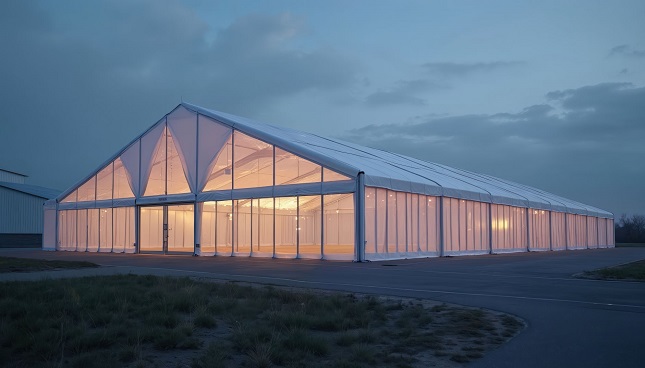
When conventional buildings take months or years to plan and construct, speed becomes a competitive disadvantage. A commercial fabric building addresses this issue by offering faster deployment without sacrificing strength or usability. You’re not waiting on complex foundations or extensive permitting cycles just to gain usable square footage.
Built around robust steel frames or an I-beam frame, these structures rely on proven engineering methods and precision-welded components to deliver durability. Many models are supported by concrete pads, reducing site prep while maintaining structural integrity. The result is a significantly shorter installation timeframe, letting you respond to demand instead of delaying growth.
Design Flexibility That Matches Real Operations
Fabric structures are adaptable, and it’s one of their biggest advantages. Whether you need open space for logistics or segmented areas for specialized tasks, the design can evolve with you. Features like clear-span interiors eliminate interior columns, making it easier to move vehicles, reconfigure layouts, or store oversized equipment.
Options range from a wall-mounted fabric structure attached to an existing building to a fully enclosed fabric building standing on its own. You can even customize layouts for niche uses such as an aircraft hangar or secure edge data centers, where airflow and internal clearance are critical. This flexibility keeps your operations efficient instead of boxed in by rigid architecture.
Materials Engineered for Performance, Not Just Cost
Apart from speed and strength, the success of these buildings lies in what they’re made of. High-performance fabric materials, often paired with high-strength aluminum or steel supports, form resilient systems designed to last. Advanced fabric membranes resist tearing, moisture penetration, and UV light damage, helping maintain material quality over time.
Unlike temporary tents, a durable fabric structure is engineered for long-term use. Attention to building components, from anchoring systems to panel seams, ensures weather resilience in demanding climates. Many designs also meet strict fire safety requirements, making them suitable for regulated commercial and industrial environments.
Energy Efficiency and Interior Comfort
Managing temperature and energy costs is a constant concern, especially in large spaces. Fabric buildings address this through energy-saving insulation, reflective surfaces, and smart integration with HVAC systems. The translucent panels allow controlled natural lighting, reducing daytime energy use while creating a more comfortable work environment.
This balance between insulation and light can significantly improve working conditions. Over time, lower energy consumption contributes to a stronger return on investment, especially compared to older warehouses that leak heat, light, and money.
Designing Spaces People Actually Want to Use
Efficiency alone isn’t enough. Employee comfort, workflow, and visual appeal matter more than ever. Integrating a thoughtful office design within a fabric building allows you to create brighter, more open workspaces that feel intentional rather than improvised.
With proper layout planning, these buildings can support collaboration zones, quiet offices, or operational control rooms, all while maintaining the adaptability that makes them appealing in the first place.
Storage, Equipment, and Industry-Specific Uses
Businesses often need specialized storage solutions that traditional buildings struggle to provide. Outdoor fabric storage buildings are ideal for bulk materials, vehicles, or seasonal inventory, while weather-ready equipment storage buildings protect high-value assets from rain, wind, and snow without the cost of permanent construction.
A tension fabric building works especially well in industries like agriculture, manufacturing, and logistics, where airflow and fast access matter. These structures can scale up or down, helping you avoid overbuilding while still protecting critical operations.
Planning for Offices and Hybrid Spaces
Hybrid facilities that blend storage, production, and office functions are becoming more common. This shift is especially relevant now, as the United States office rental sector faces a 14% vacancy rate due to high rental and renovation costs and remote work arrangements. Modern businesses likewise want flexibility without locking themselves into long-term leases.
Fabric buildings support this trend by allowing mixed-use layouts that evolve over time. You might start with storage, then add workspace or meeting areas as needs change, all within the same structure.
Conclusion: Space That Grows With You
Fabric buildings solve space challenges by removing the traditional barriers of time, cost, and rigidity. They give you strength without permanence, flexibility without compromise, and performance without excess. When your business needs room to grow quickly and intelligently, this approach offers a practical path forward without boxing you into yesterday’s solutions.