




























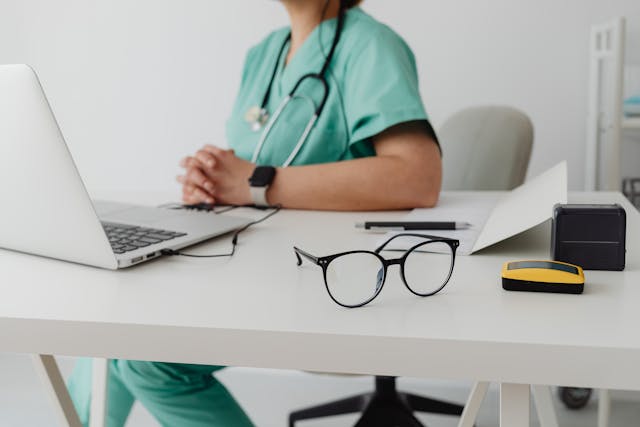
The way New Yorkers access healthcare has fundamentally changed. What started as a necessity during the pandemic has evolved into a permanent shift in patient expectations. Telehealth is no longer a temporary workaround. It is the standard for millions of patients across the state who now expect to connect with providers without sitting in traffic or waiting rooms.
This shift has opened doors across nearly every medical specialty. Patients managing chronic conditions, seeking mental health support, or even getting a New York marijuana card can now complete consultations from their living room. For a state with significant gaps between urban healthcare hubs and rural communities, that accessibility is changing who can actually receive care and how quickly they can receive it.
The Numbers Behind the Shift
New York saw telehealth utilization increase by over 2,900% in the early months of 2020 compared to the previous year. While those numbers have normalized, they have not returned to pre-pandemic levels. According to data from the New York State Department of Health, telehealth visits continue to represent a significant portion of outpatient care across the state.
The reasons are practical. New York is home to nearly 20 million people spread across urban centers, suburban sprawl, and rural regions that have historically struggled to attract and retain physicians. A patient in the Adirondacks might live two hours from the nearest specialist. A patient in Brooklyn might face a 45 minute subway ride followed by a two hour wait for a 10 minute appointment. Telehealth eliminates those barriers for visits that do not require physical examination.
Primary care, behavioral health, and chronic disease management have seen the strongest sustained adoption. Dermatology, nutrition counseling, and consultations for medical certifications have also moved heavily toward virtual models.
Who Benefits Most
Telehealth is often framed as a convenience feature, but its real impact is on populations that faced the steepest barriers to care before virtual options existed.
Patients with mobility limitations now have consistent access to providers without arranging transportation or navigating inaccessible facilities. Elderly patients who previously relied on family members to drive them to appointments can now see their doctors independently. Parents managing childcare can schedule appointments during nap times instead of arranging coverage.
Working class New Yorkers see some of the greatest benefit. Taking time off work for a medical appointment is not a minor inconvenience for someone working hourly shifts or juggling multiple jobs. A telehealth visit that takes 15 minutes during a lunch break is fundamentally different from a half day commitment that costs real wages.
Rural communities across upstate New York have also seen measurable improvement in care access. Regions that struggled to recruit specialists now have residents connecting with providers in Albany, Syracuse, or New York City. The physician shortage has not disappeared, but telehealth has reduced its impact on patients who previously had few options.
Regulatory Changes That Made It Possible
New York moved quickly during the pandemic to remove barriers to telehealth adoption. The state relaxed licensing requirements, expanded the types of services eligible for virtual delivery, and required insurers to cover telehealth visits. Many of those emergency measures have since been codified into permanent policy.
In 2023, New York passed legislation establishing payment parity for telehealth services, meaning insurers must reimburse providers at the same rate for virtual visits as they would for in-person care. This was a critical step. Without payment parity, providers had little financial incentive to offer telehealth options, even when patients preferred them.
The state has also expanded the list of practitioners eligible to provide telehealth services. Nurse practitioners, physician assistants, mental health counselors, and other licensed professionals can now deliver care virtually, increasing the overall capacity of the healthcare system to meet demand.
HIPAA-compliant platforms have matured significantly as well. Early telehealth adoption was hampered by clunky software, unreliable video connections, and security concerns. The current generation of telehealth platforms offers seamless experiences that rival any consumer video application while maintaining the privacy and compliance standards required for medical care.
Specialty Care and Telehealth Expansion
Beyond primary care, telehealth has expanded into specialty areas that previously seemed incompatible with virtual delivery.
Mental health services have seen the most dramatic shift. Therapy and psychiatric consultations translate naturally to video format, and patient demand for virtual mental health services has remained high even as other telehealth categories have stabilized. For patients who face stigma around seeking mental health treatment, the privacy of a virtual visit from home can reduce a significant barrier.
Dermatology has adapted well to telehealth through asynchronous models where patients upload images for provider review. Follow-up consultations, medication management, and condition monitoring can often be handled virtually, reserving in-person visits for procedures or complex cases.
Chronic disease management programs have integrated telehealth as a core component. Patients with diabetes, hypertension, or heart disease benefit from frequent check-ins that would be impractical if each required an office visit. Remote monitoring devices that sync with telehealth platforms allow providers to track patient data between visits and intervene earlier when metrics trend in the wrong direction.
Medical marijuana certifications represent another area where telehealth has improved access significantly. New York legalized medical cannabis in 2014, but the program initially required in-person evaluations with registered practitioners. That requirement created friction for patients who could benefit from cannabis as a treatment option, particularly those with conditions that made travel difficult.
The shift to telehealth evaluations removed that barrier. Patients can now consult with licensed physicians via video, receive their certification, and register with the state program without leaving home. The process takes a fraction of the time the in-person model required, and patients in every corner of the state have equal access to practitioners.
Challenges That Remain
Telehealth has not solved every access problem, and certain challenges have proven persistent.
The digital divide remains a real barrier. Patients without reliable internet access or comfort with video technology cannot fully benefit from virtual care options. This disproportionately affects elderly patients, low income households, and rural areas with limited broadband infrastructure. New York has invested in broadband expansion, but gaps remain.
Not all care can be delivered virtually. Physical examinations, diagnostic imaging, lab work, and procedures still require in-person visits. Telehealth works best as part of a hybrid model where virtual visits handle what they can and in-person care is reserved for what requires it. Systems that lean too heavily on telehealth risk missing diagnoses that would have been caught during a physical exam.
Provider adoption has also been uneven. While large health systems invested heavily in telehealth infrastructure, some smaller practices and independent providers have been slower to adapt. Patients served by those providers may not have the same virtual options available.
Insurance coverage, while improved, still presents complications. Not all plans cover all telehealth services equally, and patients sometimes face unexpected bills when coverage rules differ between virtual and in-person visits. Navigating those details requires diligence that not all patients have time for.
What This Means for Healthcare Businesses
For entrepreneurs and healthcare businesses operating in New York, the telehealth shift presents both opportunity and competitive pressure.
Patient expectations have permanently changed. Practices that do not offer virtual options will lose patients to competitors that do. This is particularly true for services where the in-person visit adds little value, such as follow-ups, medication management, and consultations that are primarily conversational.
The technology barrier to entry has dropped significantly. Platforms that once required major investment are now available at accessible price points for small practices. Compliance requirements remain complex, but solutions exist that handle HIPAA requirements without requiring in-house expertise.
Geographic reach has expanded as well. A practitioner licensed in New York can now serve patients across the state without opening multiple physical locations. This allows smaller practices to compete with larger systems in ways that were not possible when proximity determined access.
Businesses that build around telehealth from the start, rather than treating it as an add-on, will be best positioned. That means designing patient experiences that flow naturally through virtual channels, integrating telehealth with scheduling and records systems, and training staff to deliver care effectively through video.
Looking Ahead
Telehealth in New York will continue to evolve as technology improves, regulations adapt, and patient expectations shift further. The foundation has been set for virtual care to remain a permanent feature of the healthcare landscape rather than a pandemic-era exception.
For patients, that means more options, shorter wait times, and care that fits into their lives rather than demanding they rearrange their lives to access it. For providers and healthcare businesses, it means adapting to a model where convenience and accessibility are baseline expectations rather than differentiators.
The practices and platforms that recognized this shift early and built around it are already ahead. Those still treating telehealth as optional are running out of time to catch up.