



























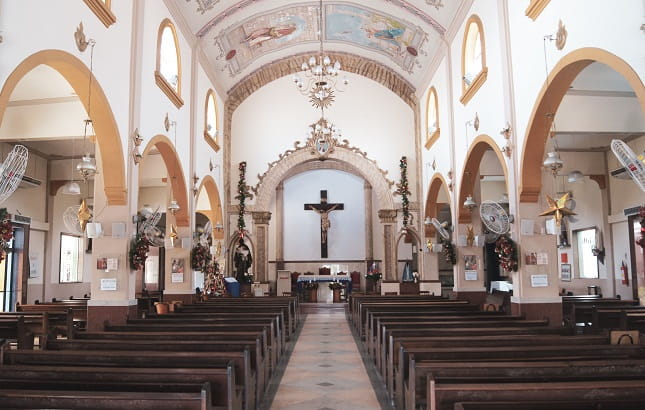
Managing sacred real estate requires deep financial stewardship and strategic administrative foresight during legal reviews. Sacred properties hold unique structural designs and cultural values that complicate standard safety assessments. Religious leaders often face unexpected challenges when navigating modern indemnity agreements due to rising structural repair expenses worldwide.
Securing proper asset defense necessitates a clear grasp of contract details before final signatures are placed on legal forms. Understanding the fundamentals of Church insurance helps religious organizations identify appropriate coverage options and avoid costly protection gaps. This guide outlines critical structural factors and coverage elements that every administrative board must evaluate. Comprehensive knowledge ensures your sacred assembly remains safe from sudden financial crises while preserving community assets safely.
1) Key Insurance Definitions for Houses of Worship
To ensure clarity during administrative board reviews, the following foundational insurance terms are defined below:
- Actual Cash Value (ACV): The cost to repair or replace damaged property, minus physical depreciation based on age and condition.
- Replacement Cost Value (RCV): The actual dollar amount required to replace or repair damaged property with materials of like kind and quality, without any deduction for depreciation.
- Coinsurance Clause: A property insurance provision requiring a policyholder to carry coverage equal to a specific percentage of the structure’s total value (typically 80% or 85%). Failure to meet this requirement results in an underinsurance penalty on claims.
- Ordinance or Law Coverage: An insurance endorsement that pays for the increased cost of demolition and construction required to bring a damaged, older building into compliance with modern local building codes and accessibility laws (e.g., ADA compliance).
2) Assessing Complete Structural Replacement Expenses
Securing a comprehensive church insurance coverage setup requires an accurate evaluation of your physical sanctuary assets. Standard market appraisals often overlook the immense expenses associated with replicating historic architectural features like stained glass.
Many congregations face severe financial shortfalls during major recovery events because their policy limits match old valuation standards.
- Account for Specialized Craftsmanship: Church property appraisals must calculate the specialized reproduction costs of historic materials (e.g., stained glass, timber trusses) rather than standard commercial square-footage rates to prevent severe coverage deficits.
- Index for 2026 Construction Inflation: Property valuation models must match real-time national building material cost indexes rather than flat inflation percentages to avoid post-disaster funding gaps.
- Automate Ordinance and Law Compliance: Rebuilding estimates must automatically incorporate local zoning changes, historical preservation rules, and environmental building codes to absorb forced municipal upgrade costs.
- Enforce Annual Valuation Schedules: Trustees should mandate professional property valuations every 12 months to continuously recalibrate policy limits against changing real estate and supply chain metrics.
3) Understanding Specialized Coinsurance Clauses
Many institutional indemnity agreements include specific clauses that penalize organizations for maintaining low coverage limits. If your selected coverage amount falls below a set percentage of actual building replacement costs, full recovery becomes impossible.
Managing risks proactively minimizes the likelihood of building collapses or catastrophic facility damage over time (van Coller & Akinloye, 2021). The administrative board will remain responsible for a large portion of repair bills even during minor incidents.
- Most insurance companies require your policy limits to equal 85% of the total valuation.
- Failing to meet this threshold triggers penalty formulas that reduce claim payouts automatically during losses.
- Partial property losses will not receive full funding if your initial valuation statement was inaccurate.
- Congregations must verify whether their policy features actual cash value or total replacement cost terms.
- Choosing replacement cost terms ensures complete funding for identical new items without factoring in depreciation.
The Coinsurance Penalty Formula
4) Evaluating Historical Property Vulnerabilities
Older architectural designs present distinct maintenance challenges that heavily impact coverage eligibility and premium pricing tiers. Insurance companies closely examine structural components like aging roof systems and electrical wiring during underwriting assessments.
Incorporating a robust church liability insurance plan is critical because underwriters heavily weight historical claim histories over overall frequency when determining risk levels (Michaelides, 2019). Failing to address minor building issues can lead to immediate policy cancellations or massive premium spikes.
- Appraise Historic Architecture: Use specialized underwriting to cover the true cost of custom repairs.
- Inspect Roofs Annually: Fix issues early to prevent insurance companies from denying storm claims due to “neglected maintenance.”
- Upgrade Old Wiring: Modernize electrical systems to meet National Fire Protection Association (NFPA) codes and lower your premium costs.
- Monitor Plumbing Closely: Watch for hidden pipe leaks to protect valuable historic and sacred items.
- Keep Maintenance Logs: Document all building repairs to prove to underwriters that you are a low-risk property.
5) Reviewing Water Damage Exclusion Terms
Internal water pipe issues and external weather incidents receive completely different coverage treatment under standard indemnity agreements. Most basic options exclude external rising water damage entirely, leaving ministries exposed to massive structural repair bills.
Securing dedicated insurance for churches prevents massive budget shortfalls when localized disasters cause unprecedented structural issues. Leadership teams must carefully review specific definitions regarding liquid damage inside the policy paperwork.
- Standard commercial property contracts exclude regional rising surface water incidents from basic coverage terms.
- Separate specialty options (such as National Flood Insurance Program policies) are required to protect physical structures located near common drainage basins.
- Internal pipe bursts usually receive protection if the facility maintains active indoor climate controls.
- Sewer backups require specific policy riders to ensure coverage for professional biohazard cleaning services.
- Installing automatic main line shutoff valves can lower premium costs and prevent catastrophic incidents.
6) Analyzing Regional Weather Risk Deductibles
Modern indemnity agreements frequently utilize percentage deductibles rather than fixed dollar values for major weather events. This framework shifts a substantial financial burden onto the congregation when seasonal storms damage local properties.
Arranging a comprehensive religious organization insurance package protects the structural and operational foundation of your congregation during unexpected municipal emergencies. Understanding how these percentages translate into actual cash liabilities is vital for seasonal budget planning.
- Windstorm and Hail deductibles often equal 2% to 5% of the total insured building value.
- A million-dollar sanctuary with a 3% windstorm deductible requires a $30,000 out-of-pocket payment initially before benefits apply.
- Hail protection terms might carry separate parameters that differ from standard fire coverage deductibles.
- Leadership teams must establish dedicated emergency cash funds to cover these high initial obligations.
- Comparing different deductible tiers helps balance monthly premium pricing against potential out-of-pocket costs.
7) Tracking Institutional Loss History Records
Your organization’s past claim record serves as the primary metric for pricing future indemnity agreements. Frequent small submissions signal poor building maintenance habits to underwriting computers, driving up operational expenses quickly.
Investing in dedicated church property insurance guards your infrastructure against catastrophic long-term loss trends while maintaining organizational continuity. Implementing strict internal safety protocols helps keep your historical record clean and your premiums manageable.
- Insurance companies analyze 5 years of historical claim data (via the CLUE or RiskMeter reports) to determine baseline risk levels.
- Multiple small claims for minor incidents can cause carriers to refuse policy renewals entirely.
- Paying for minor structural fixes using internal building budgets preserves your clean historical record.
- Documented safety programs for volunteers demonstrate excellent administrative oversight during annual policy reviews.
- Appointing a dedicated safety manager ensures consistent adherence to risk management guidelines weekly.
8) Verifying Ordinance or Law Coverage
Building code requirements change over time, meaning older structures must implement expensive upgrades during major repairs. Standard property protection only covers the cost of restoring a building to its previous physical state.
History shows that major environmental disasters, like severe regional flooding events, cause sharp spikes in localized demand for organizational recovery resources (Ager et al., 2016). Ordinance terms provide the additional funding needed to comply with modern structural safety laws legally.
- Code upgrades for accessibility requirements (such as ADA-compliant ramps or restrooms) can add thousands of dollars to standard reconstruction bills.
- Electrical rewiring mandates during structural repairs are often excluded from basic property protection terms.
- Ordinance coverage pays for the demolition of undamaged building sections when local laws require full demolition of a partially destroyed structure.
- This specialized protection is essential for congregations operating in older, established municipal neighborhoods.
- Board members must confirm that this specific extension is included in their final paperwork.
Property Protection Benchmark Metrics
The table below outlines current operational trends and benchmarks impacting church property insurance portfolios in 2026:
| Property Protection Component | Statistical Benchmark Metrics | National Operational Trends & Impacts |
| Annual Premium Hikes | 12% to 30% average increases | Driven by systemic industry market shifts, capacity reduction, and global reinsurance costs. |
| Underinsured Structures | 80% of properties require valuation updates | Outpaced by localized construction spikes; leaves facilities highly vulnerable to coinsurance penalties. |
| Supply Expense Spikes | 19% increase in basic materials | Escalates baseline masonry restoration, lumber, and specialized architectural finishing fees. |
| Claim Record Variables | Evaluation of 5 years of historical data | Determines overall risk category tiering; multiple frequency claims drive policy non-renewals. |
| Coinsurance Target Minimums | 85% minimum facility valuation | Triggers immediate underinsurance assessment penalties if the stated value drops below the threshold. |
Secure Your Legacy
Navigating modern property protection requires active administrative oversight and precise contract analysis. Relying on outdated asset valuations leaves sacred spaces vulnerable to severe financial shortfalls following unexpected physical disasters. Research confirms that robust risk protection networks mitigate the negative economic impacts of sudden financial shocks on institutional resources (Dehejia et al., 2007).
Congregations must prioritize thorough policy reviews and implement consistent facility safety checks to remain fully insurable. Partnering with specialized independent professionals ensures your sanctuary receives custom protection tailored to its historic value. Investing time into contract evaluation today safeguards your ministry assets and ensures long-term operational stability. Securing the right church insurance setup preserves your community legacy for future generations safely.
Frequently Asked Questions (FAQ)
What does ordinance or law protection cover during structural rebuilding?
Ordinance or Law coverage funds the expensive building code upgrades required by local municipalities during major property repairs. Standard contracts only pay to restore structures to their original state, ignoring modern legal mandates such as updated electrical wiring or ADA accessibility compliance.
How do percentage deductibles differ from standard fixed-dollar versions?
Percentage deductibles calculate your out-of-pocket expenses based on a percentage of the total insured value of the property rather than a flat dollar amount. For instance, a 3% windstorm deductible on a sanctuary insured for $2,000,000 requires the church to pay $60,000 out-of-pocket before benefits apply.
Why do historic stained glass installations require separate policy attention?
Traditional valuation methods use standard commercial square-foot restoration rates, which completely fail to capture the intense specialized labor and rare materials needed to fix antique glass artwork. Specialized riders or scheduled property floaters ensure these custom features receive precise replica funding.
How often should an administrative board update its official building appraisal?
An administrative board should secure an updated professional replacement cost evaluation every 12 months. Keeping valuations current ensures compliance with 2026 construction inflation trends and prevents underinsurance penalties during large-scale property claims.
What is a coinsurance penalty, and how does it affect a church claim?
A coinsurance penalty occurs when a church insures its building for less than the percentage mandated by the insurer (usually 85% of true replacement value). If a loss occurs, the insurance company reduces the claim payout proportionally, leaving the church to pay the remaining balance out of its own budget.