


















Finding the right clothing manufacturer is a key step in turning your product ideas into reality but asking the right questions before you commit is just as important. A clear understanding of a factory’s capabilities, processes, and expectations can help you avoid costly mistakes, delays, and miscommunication.
What is your minimum order quantity (MOQ)?
MOQ is one of the first things you should clarify when approaching a manufacturer. It directly impacts your initial investment, inventory planning, and production feasibility. Some factories focus on bulk orders and require high MOQs, while others are more flexible and cater to small or mid-size brands. MOQ can also vary depending on the fabric, style, or customization level. By asking this upfront, you can determine whether the manufacturer is a good fit for your business scale and avoid misunderstandings later in the process.
What information do I need to provide to start a project?
Before starting production, manufacturers need clear and detailed information to assess feasibility and provide an accurate quotation. Asking this question helps you prepare properly and avoid back-and-forth delays. Most manufacturers typically require a tech pack or design sketches, estimated order quantity, preferred fabrics, color options, size breakdowns, and any special requirements such as trims, printing, or packaging. The more precise your inquiry, the faster the factory can confirm whether they’re the right fit and move forward with next steps.
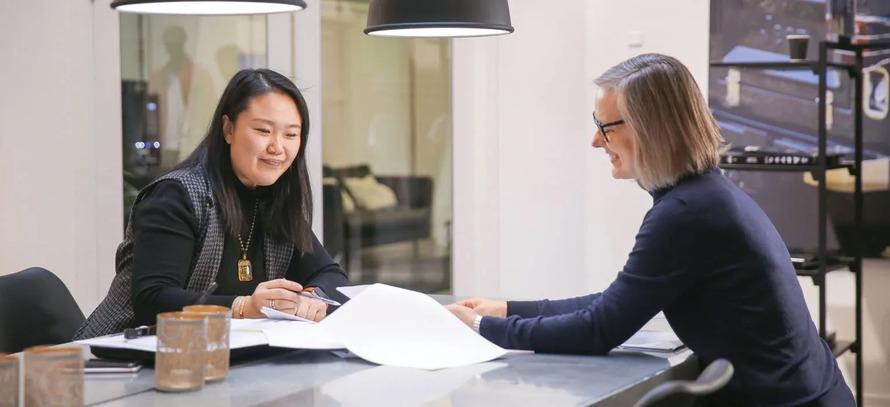
Do you offer fabric sourcing services, or can you assist with fabric selection?
Not all manufacturers provide fabric sourcing, some only accept client-supplied materials. That’s why it’s important to ask early. A full-service manufacturer should be able to recommend suitable fabrics based on your product type and budget.
Many also work with a wide network of trusted suppliers who can offer a range of available materials or even develop custom fabrics tailored to specific needs like stretchability, color, UV resistance, or odor control. Some can also provide certified fabrics, such as OEKO-TEX Standard 100, GRS (recycled), or GOTS (organic), ensuring your product meets sustainability and compliance standards.
Do you provide samples? How many rounds of sampling are included, and is there a fee?
Sampling is a critical step before mass production, it helps verify fit, construction, fabric behavior, and overall design accuracy. Asking this question ensures you understand what’s included in the development process and what may incur additional costs. Most manufacturers offer initial samples, but the number of included revisions varies. Some charge a sampling fee, which may or may not be refundable once you confirm the bulk order. Clarifying these details early on helps manage timelines, avoid unexpected expenses, and ensure you have enough opportunities to refine your product before full production begins.
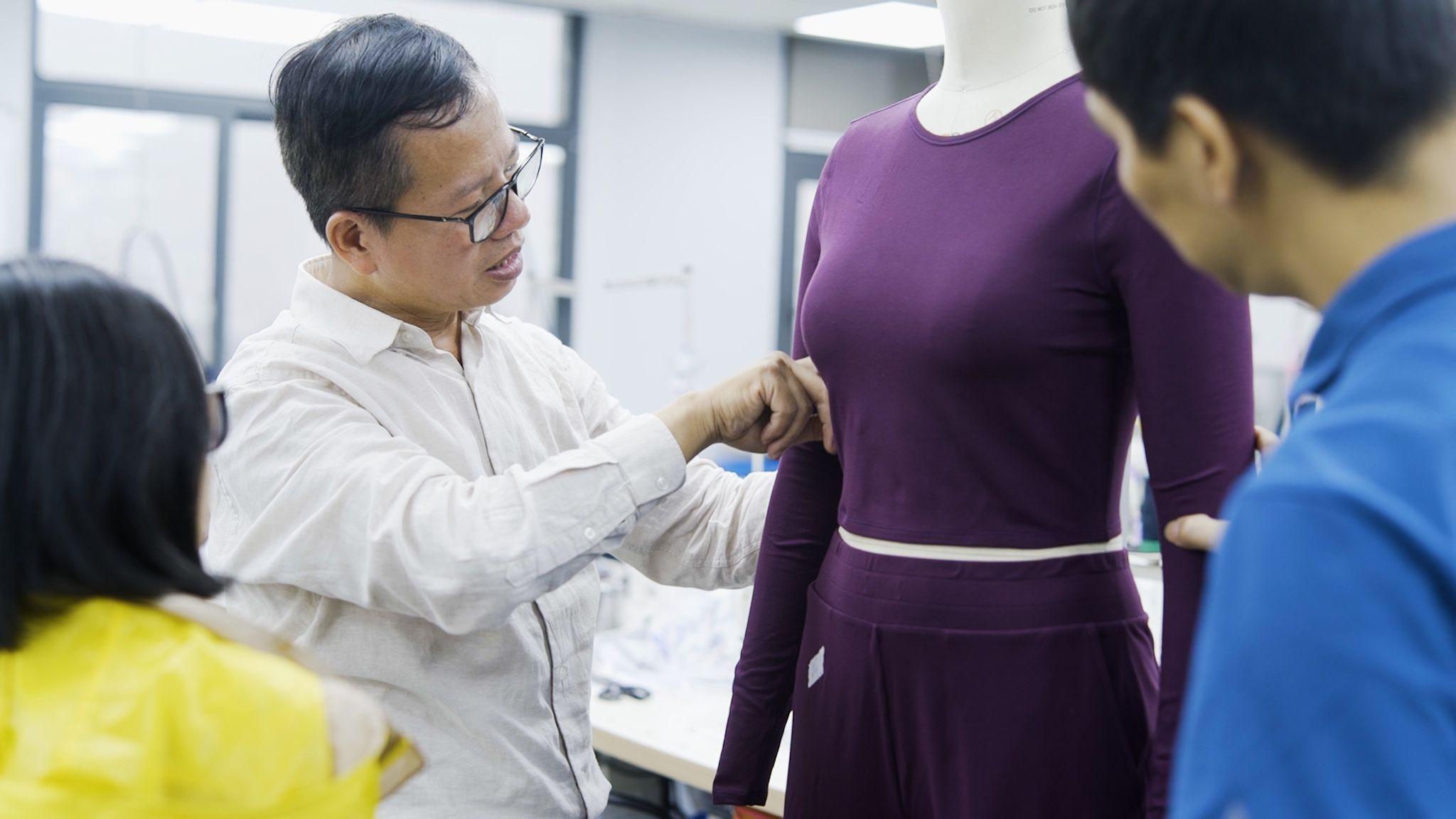
What customization services do you offer?
Customization plays a key role in building a unique brand identity, so it’s important to ask what level of flexibility a manufacturer can offer. Some factories only handle basic garment production, while others provide a full range of custom options. A well-equipped manufacturer, especially a streetwear clothing manufacturer, can help you personalize everything from fabrics and trims to prints, embroidery, labels, hang tags, and packaging.
What is the typical lead time for bulk production?
Understanding lead time is essential for planning product launches and managing your supply chain. Lead time can vary depending on the product complexity, fabric availability, order quantity, and the factory’s current workload. On average, bulk production takes anywhere from 30 to 90 days after sample approval and deposit payment. By asking this question early, you can align production timelines with your sales calendar, avoid unexpected delays, and build realistic expectations for delivery. It’s also helpful to ask about peak seasons and how the factory handles urgent or time-sensitive orders.
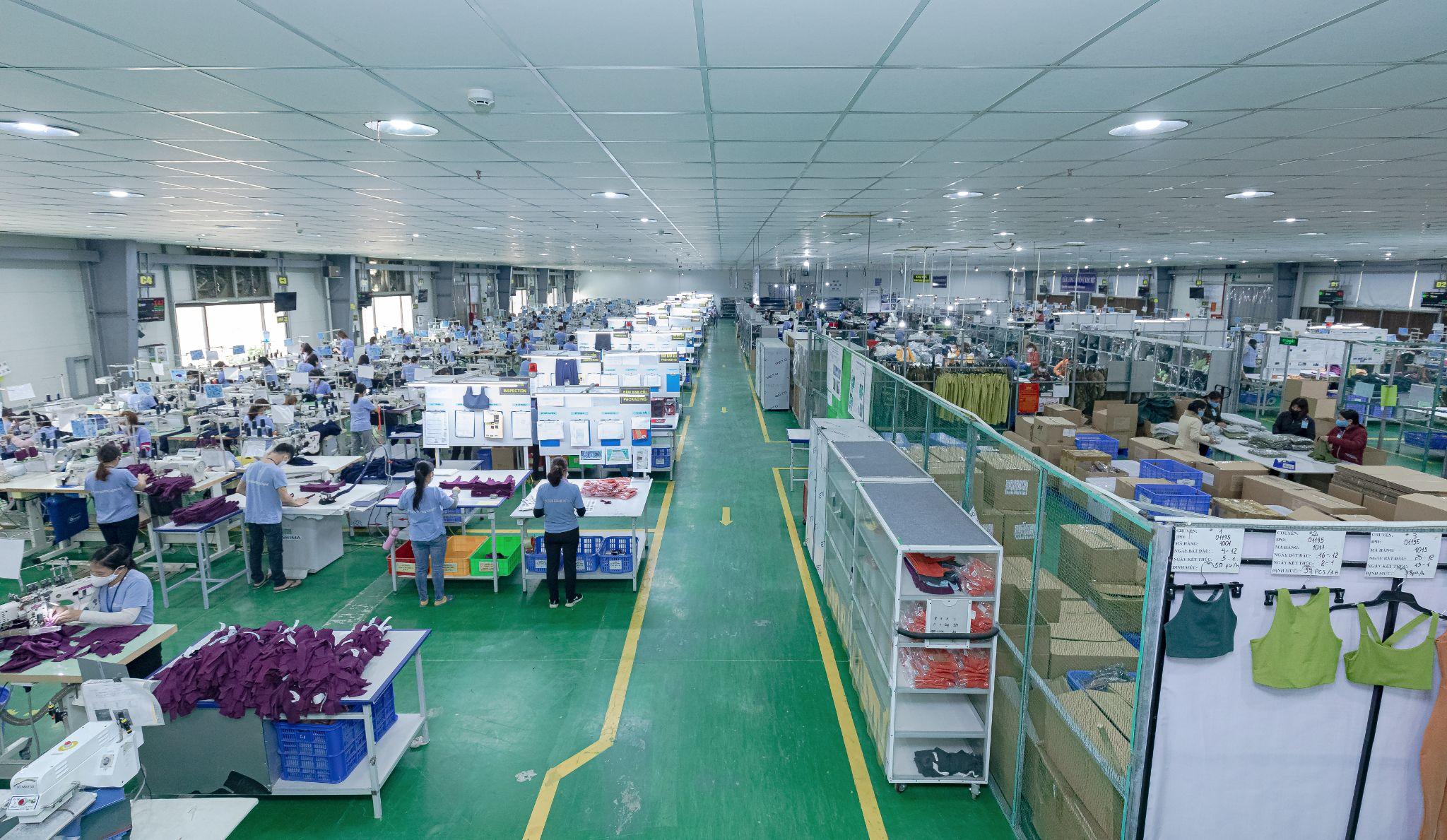
What are the methods you use for quality control during the production process?
Asking about a manufacturer’s QC methods helps you understand how seriously a professional cut and sew manufacturer approaches consistency and defect prevention. Reputable factories typically follow multi-stage inspections including raw material checks, inline inspections during sewing, and final checks before packing. Some also use AQL (Acceptable Quality Limit) standards for measurable evaluation. Clear QC procedures not only reduce the risk of defects but also save time and cost by preventing rework or returns. Don’t hesitate to ask for sample QC reports or how they handle issues if defects are found.
What is your process when defects or production issues are discovered?
This question helps you evaluate how transparent and responsible a manufacturer truly is. Instead of expecting perfection, you should focus on how they handle mistakes when they happen. A professional manufacturer should be willing to explain their quality control system, how they detect issues, how they communicate problems to clients, and what corrective actions they take. Their answer will reveal a lot about their attitude toward accountability and problem-solving. If they avoid the question or give vague answers, it could be a red flag. A good partner is not one who promises zero mistakes, but one who deals with them honestly and effectively.
In conclusion, choosing the right clothing manufacturer starts with asking the right questions. From MOQ and lead time to quality control and communication, these details help you evaluate whether a partner is reliable, transparent, and suitable for your business needs. Taking the time to ask upfront can save you from costly mistakes later on.