





























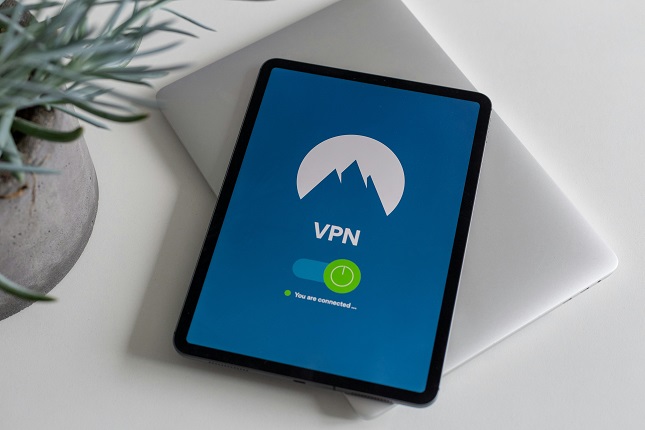
Here’s something that trips up a lot of first-time VPN buyers: not all IP addresses are created equal. Most VPN services hand out datacenter IPs, which work fine for basic browsing. But websites have gotten scary good at spotting them, and once you’re flagged, good luck accessing anything geo-restricted.
Residential VPN providers do things differently. They assign IP addresses that come from actual Internet Service Providers, the same kind your home router uses. To a website, traffic from a residential VPN looks identical to someone browsing from their living room couch.
The IP Problem Nobody Talks About
So why does the type of IP matter so much? Datacenter IPs are registered to companies like AWS and DigitalOcean. Websites keep growing lists of these IP ranges, and when they see traffic from one, they assume it’s automated or suspicious.
That means blocks, CAPTCHAs, and throttled speeds on a regular basis.
Residential IPs don’t trigger those alarms. They’re tied to real ISPs and physical addresses, which makes them blend right in with normal consumer traffic. If a streaming service has ever refused to load or a shopping site showed weird pricing, there’s a decent chance the IP type was behind it.
The best Residential VPN Provider list at CometVPN.com is worth bookmarking for anyone comparing services. It does a solid job separating providers that offer real residential IPs from those stretching the definition.
Encryption Can’t Be an Afterthought
A residential IP without proper encryption is like a disguise with no mask. The best providers pair their residential networks with AES-256 encryption and modern protocols like WireGuard. That last one is worth paying attention to, because WireGuard runs on about 4,000 lines of code versus OpenVPN’s 70,000, which means faster connections and fewer things that can break.
Kaspersky published a practical explainer on VPN tunnel mechanics that’s still one of the better technical overviews out there. The short version: a properly encrypted tunnel keeps ISPs and third parties from reading any data passing through.
And don’t skip the kill switch question. If a VPN drops for three seconds without one, the real IP leaks to every connected site. Any provider worth considering builds this into every app, desktop and mobile.
Server Coverage Actually Matters
A provider with 50 residential IPs in Dallas isn’t going to help someone trying to access UK banking portals. The stronger services maintain pools across dozens of countries, sometimes with millions of addresses available.
Geography affects speed in a pretty direct way. Connecting through a residential IP near the target server shaves off latency that you’d notice during video calls or streaming. And obviously, accessing content locked to a specific country requires an IP actually located there.
IP rotation is another thing to ask about. Some providers give a static residential address, others rotate them every session or every few minutes. Rotation works better for research and data collection since it reduces the odds of any single IP catching a ban.
Who’s Actually Behind the IPs
This is where things get murky. Some residential VPN services build their networks through peer-to-peer models where regular people opt into sharing their home connection. Sometimes those people don’t fully realize what they’ve agreed to, which creates a real ethical gray area.
The more reputable providers partner directly with ISPs to source addresses. They’re upfront about their supply chain, and they submit to independent no-logs audits from firms like PwC or Deloitte. A provider that dodges questions about where its IPs come from probably has a reason.
Jurisdiction is another thing people overlook. A VPN company based in a country with mandatory data retention laws can be forced to hand over records, no matter what the privacy policy says. That’s why the more privacy-focused providers incorporate in Switzerland, Panama, or the British Virgin Islands.
Price Isn’t Just a Number
Residential VPNs cost more than datacenter ones. There’s no way around it, since sourcing legitimate ISP addresses involves infrastructure that datacenter providers don’t need. Forbes Advisor’s VPN market analysis puts the average VPN subscription at roughly $6.50 per month, and residential services typically sit above that.
Be cautious with anything priced like a budget datacenter VPN. Those savings usually come from somewhere: recycled flagged IPs, overcrowded bandwidth, or weak encryption. Cheap residential VPN service is almost always cheap for a reason.
Where This Market Is Heading
IPv6 is going to blow open the available address space, which should make residential IPs more accessible. Some providers are already using machine learning to flag at-risk IPs before websites catch on. The ones combining real residential addresses, solid encryption, and honest sourcing practices will keep pulling ahead of the pack.