




















Choosing the right smartphone screen size can make a noticeable difference in your daily comfort. From answering early morning messages to watching videos before bed, your phone’s display is something you interact with constantly. Some people prefer compact devices that slip easily into a pocket, while others enjoy large screens for immersive entertainment. The truth is that the “ideal” size depends less on trends and more on how you actually use your device. In this article, we’ll explore how screen size affects daily tasks and how to choose one that fits naturally into your routine.
1) The Size Spectrum: From Compact to Giant
Smartphones today range from compact models under six inches to large displays well above that mark. Smaller phones prioritize portability and one-handed use, making them comfortable for quick tasks. Larger phones, on the other hand, focus on visual immersion, offering more space for reading, gaming, and multitasking. Advances in design have allowed manufacturers to expand screen sizes without dramatically increasing overall device dimensions. Understanding where you fall on this size spectrum is the first step toward making a smart choice.
2) Daily Tasks and How Size Affects Them
Typing and Messaging Comfort
Typing is one of the most frequent daily activities on a smartphone, whether you’re replying to work emails or chatting with friends. A slightly larger screen provides more keyboard space, which can reduce typing errors and improve speed. However, if the device becomes too wide, reaching across the keyboard with one hand may feel awkward. For users who send long messages or frequently draft documents, a balanced mid-to-large screen often feels most comfortable. Ultimately, the best typing experience comes from a display that feels natural in your hand rather than stretched beyond your reach.
Social Media Scrolling and Browsing
Scrolling through social feeds and browsing websites benefits from extra screen real estate. Larger displays allow more content to appear at once, reducing the need for constant zooming or resizing. Images look more detailed, and text appears easier to read during extended sessions. However, if the phone feels heavy or bulky, long browsing sessions may become tiring. A good screen size for browsing strikes a balance between clarity and manageable weight.
Video Watching and Gaming Immersion
If you regularly stream shows or play mobile games, screen size directly impacts enjoyment. Bigger displays create a more cinematic feel, especially when paired with high resolution and vivid color reproduction. Games feel more engaging when controls and visuals have room to breathe on the screen. That said, immersive entertainment often requires two-handed use for stability and control. Choosing a size that enhances immersion without sacrificing comfort is key to long-term satisfaction.
3) Portability: Pocket Test and Everyday Carry
Portability is something many people overlook until they start carrying their new device daily. A phone might feel perfect in-store, but if it barely fits into your jeans pocket or small handbag, frustration can build quickly. Slim profiles and lightweight materials help, but overall dimensions still matter. If you commute, travel frequently, or prefer minimal accessories, a moderately sized device may offer better convenience. The ideal screen size should complement your lifestyle without adding unnecessary bulk.
4) One-Handed Use vs. Two-Handed Stability
One-handed operation remains important for everyday situations like holding a drink or using public transportation. Compact to mid-sized phones typically allow easier thumb reach across the display. Larger devices often require two hands for secure use, especially when typing or navigating menus. While two-handed stability can improve control during gaming or extended browsing, it may reduce spontaneous convenience. Evaluating how often you rely on one-handed use can guide you toward the right size choice.
5) Beyond Inches: Bezels and Screen-to-Body Ratio
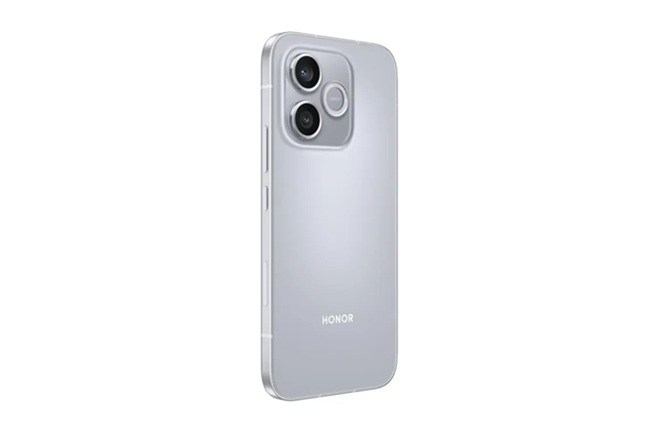
Screen size alone does not tell the full story, because bezel thickness significantly affects the overall feel of a phone. Slim bezels create a more immersive experience without increasing the physical footprint of the device. The HONOR 600 Lite 5G phone, for example, features an extremely narrow 1.23mm bezel that allows its 6.6-inch AMOLED display to flow seamlessly to the edges. This near-borderless design maximizes viewing area while keeping the body manageable and durable, thanks to its reinforced metal-frame structure and drop resistance.
6) Matching Screen Size to Your Lifestyle
Your ideal screen size ultimately depends on how your phone fits into your daily rhythm. Students who read digital textbooks may prefer slightly larger displays for clarity. Professionals juggling emails and documents might appreciate added screen space for productivity. Casual users focused on messaging and light browsing may value portability over immersion. By reflecting honestly on your habits, you can avoid choosing a device that looks impressive on paper but feels inconvenient in practice.
Conclusion
Finding the ideal screen size is about balance rather than extremes. A larger display enhances entertainment and productivity, while a smaller one improves portability and one-handed comfort. Factors like bezel design and weight distribution further influence how a phone feels in real-world use. Taking time to evaluate your daily habits ensures that your next device supports, rather than disrupts, your routine. When screen size aligns with your lifestyle, everyday smartphone use becomes more comfortable and enjoyable.