





























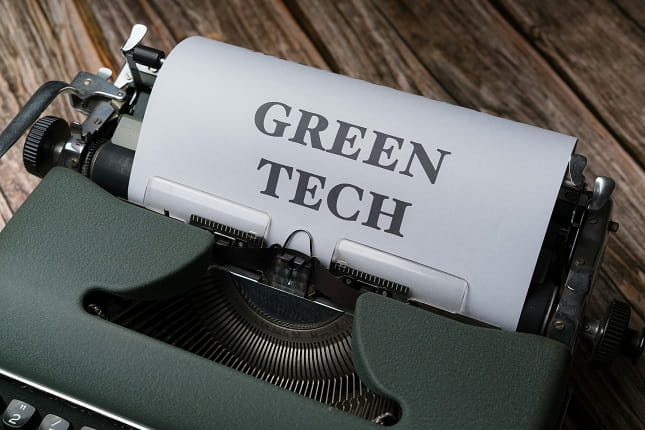
Awareness of environmental challenges and how our actions are impacting climate change is driving demand for green technologies that can mitigate or reverse the negative impacts of human activity. The desire for more sustainable living is highly likely to be a permanent shift rather than a fleeting trend, and now is the time to seize a share of what promises to be a lucrative industry.
If you’re thinking about diving into this field, one of the most practical ways to launch a green tech company is by forming a Limited Liability Company (LLC). This option offers financial and legal protection with flexibility and growth potential, all crucial for running a successful business in an evolving industry.
Understanding the Green Tech Opportunity
Green tech solutions span a broad range of sectors, as sustainability continues to drive change in almost all industries from construction to transport. Businesses and consumers alike are looking for ways to minimize their carbon footprints and reduce energy costs. And, with governments around the world offering incentives and grants for green businesses, there are ample opportunities for startups to access resources that accelerate growth.
Taking advantage of this momentum requires a clear understanding of the challenges that green tech could help solve and analyzing the market to identify gaps. By aligning your product or service with current global trends like energy efficiency and ensuring you have a unique product or angle, you’ll be positioning yourself to satisfy increasing demand. Remember that people are more inclined to support businesses that contribute to environmental preservation and demonstrate your commitment to sustainability in your operations.
Setting up your green tech LLC
- Choosing Your Business Structure
There are several structure possibilities for businesses in the US, each with individual advantages and disadvantages with regards to taxes, operational flexibility and personal liability. Choosing the right structure will impact how well you’re able to protect yourself should you run into problems. Structures include sole proprietorships or partnerships, Limited Liability Companies (LLCs) or Limited Liability Partnerships (LLPs), corporations and nonprofit organizations.
Limited liability structures are popular for new businesses, and you can start an LLC in minutes through dedicated online services which offer step-by-step set-up support. Unlike with sole proprietorship and partnership, your personal assets are generally protected from business debts and liabilities with an LLC, which can save you from financial difficulty in the event of profit or legal challenges.
Additionally, an LLC offers a pass-through taxation structure. Rather than the company paying separate taxes, profits and losses are passed through to the business owner’s personal tax returns. This can lead to significant tax savings, especially in the early stages of growth when your company is reinvesting its profits to expand.
- Forming Your Green Tech LLC
Forming an LLC is relatively straightforward, though you must be careful to ensure legal compliance to avoid costly fines, closure and potentially criminal charges.
First, you’ll need to choose a unique name for your business and check the official records of existing companies and trademarks for duplicates or sound-alikes, to ensure the name is available in your state. Your LLC’s name should ideally reflect your green tech mission, as it’s a strong branding tool that should resonate with customers. Once you’ve confirmed the name, file Articles of Organization with your state’s business registration office. This document includes details about your LLC, like its name, address and purpose.
Next, you’ll need to obtain an Employer Identification Number (EIN) from the IRS. This serves as your business’s tax identification number. Applying for an EIN is free and relatively simple and having one is crucial for opening business bank accounts, applying for permits and filing taxes.
Finally, depending on your business model and location, you may need to secure specific permits or licenses. Green tech businesses are often subject to additional scrutiny around certifications and claims, so it’s important to be aware of local, state and federal environmental laws that could apply to your business product or services.
- Strategizing for Funding, Market Entry, and Growth
Many green tech companies face high upfront costs, for labor-intensive and time-consuming needs like research and development (R&D) and prototyping. Traditional loans and investors may not always see the long-term potential of green tech, so you’ll need to be strategic in your approach to funding to avoid being part of the 25% of US businesses that fail in their first year.
Start by researching green tech grants or funding programs available through government agencies, private foundations, or corporations. These grants often come with fewer strings attached than venture capital funding and can provide crucial early-stage support. Crowdfunding is another avenue worth exploring, especially if your product has a strong consumer-facing element, such as eco-friendly appliances or renewable energy solutions like air-source heat pumps. This method raises capital and helps to build an early customer base.
As your business begins to grow, focus on building partnerships within the industry. Sharing in the experience of established players or complementary businesses can provide invaluable support and promote sustainable scaling, while potentially expanding your existing market reach. Staying agile is key to surviving and succeeding in the ever-changing green tech landscape. Investing in research and staying ahead of industry trends will ensure that your LLC remains competitive in a rapidly growing sector.