






























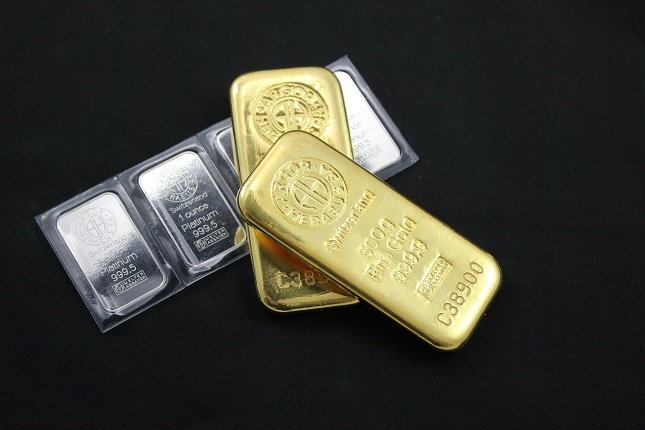
If you’ve ever shopped for precious metals, you’ve probably noticed numbers like 999 and 9999 stamped on gold and silver bars or coins. At first glance, the difference seems small, but for many investors, purity matters more than they expect. Whether you plan to buy silver in Canada or buy gold Canada for long-term wealth protection, understanding what these numbers really mean can help you make smarter, more confident decisions.
Purity is one of the first things experienced bullion buyers look at. It tells you how much of the metal in your bar or coin is actually gold or silver versus other trace elements. While both 999 and 9999 are considered high purity, the subtle distinction between them plays a role in pricing, market perception, and even collectability.
What Does 999 Purity Mean?
When you see 999 stamped on bullion, it means the metal is 99.9 percent pure. The remaining 0.1 percent consists of trace elements that remain after the refining process. In the precious metals world, this level of purity is already considered investment grade.
For silver, 999 purity is extremely common and widely accepted globally. Most government-minted silver coins and bars meet this standard. Investors who buy silver in Canada will frequently encounter products labeled .999 fine silver, and these are fully suitable for wealth preservation purposes.
With gold, .999 purity also appears in some bullion products, although many modern gold bars and coins now exceed this level. Still, .999 gold remains highly respected and easily tradable in international markets.
What Does 9999 Purity Mean?
A 9999 stamp means the metal is 99.99 percent pure. This is often referred to as “four nines fine.” The difference between 999 and 9999 may look tiny on paper, but achieving that extra level of refinement requires more advanced processing.
Many of the world’s most recognized gold bullion products are struck in .9999 purity. Canada, in particular, helped popularize ultra-high-purity gold. As a result, when investors research how to buy gold Canada, they often encounter a wide selection of .9999 fine gold coins and bars.
In silver, .9999 purity exists but is less common than .999. Silver is already extremely pure at the .999 level, and the market generally treats both standards as functionally equivalent for investment purposes.
Does Higher Purity Actually Matter?
For most investors, both 999 and 9999 bullion are considered excellent. The real-world difference in metal content between the two is very small. However, there are a few practical areas where purity can influence buying decisions.
Market perception plays a role. Some investors simply prefer the psychological comfort of owning the highest purity available. Ultra-pure gold, in particular, carries a premium image that appeals to collectors and long-term holders.
Liquidity is another factor. In Canada and major global markets, both .999 and .9999 bullion sell easily. Reputable dealers and refineries accept both without hesitation. If your goal is simply to buy silver in Canada or buy gold Canada for investment, either purity level will typically perform the same when it comes time to sell.
Premiums, however, can differ slightly. Products refined to .9999 sometimes carry marginally higher premiums due to the extra refining process and branding associated with ultra-pure bullion. That said, the difference is usually modest.
Why Canada Became Known for 9999 Gold
Canada has played a major role in promoting four-nines gold globally. The country’s refining standards and minting reputation helped establish .9999 as a benchmark for high-quality bullion. This is one reason Canadian gold products are widely trusted in international markets.
Because of this strong reputation, many investors who buy gold Canada specifically seek out four-nines products. The consistency and credibility associated with Canadian refining standards give buyers added confidence, especially those building long-term holdings.
Is There Any Advantage for Silver Buyers?
For silver investors, the practical difference between .999 and .9999 is even smaller. Silver bullion markets primarily operate on the .999 standard, and most investors treat it as fully sufficient.
If you plan to buy silver in Canada, you’ll notice that .999 fine silver products dominate the market. Four-nines silver does exist, but it rarely commands a meaningful advantage in resale value or liquidity.
What matters far more for silver buyers is purchasing from reputable sources, ensuring authenticity, and keeping premiums reasonable. Purity beyond .999 generally offers diminishing returns for typical investors.
How Purity Affects Long-Term Investing
From a long-term wealth perspective, both .999 and .9999 bullion perform similarly. Precious metals markets primarily track weight and spot price rather than tiny differences in refinement.
For investors focused on wealth preservation, the key factors remain consistency, authenticity, and liquidity. Whether your bar is stamped .999 or .9999, the underlying goal is owning real physical metal outside the financial system.
That said, some investors prefer standardizing their holdings. Many gold buyers choose .9999 simply because it is widely recognized and easy to compare across products. Silver buyers, on the other hand, often prioritize affordability and volume over ultra-high purity.
Storage and Handling Considerations
One subtle difference worth noting is that ultra-pure gold is slightly softer than lower-purity alloys. Because .9999 gold contains almost no additional metals, it can be more prone to small surface marks if handled frequently.
This is rarely a major issue for investors who store bullion properly, but it’s one reason many gold coins come sealed in protective packaging. Silver, whether .999 or .9999, is also relatively soft and benefits from careful storage.
Choosing the Right Purity for Your Goals
If your primary objective is straightforward investing, both purity levels are excellent. Investors who want the broadest market recognition often lean toward .9999 gold, especially when they plan to buy gold Canada for long-term holding.
Silver investors usually focus more on total ounces accumulated rather than chasing four-nines purity. For those looking to buy silver in Canada consistently over time, the .999 standard remains the practical sweet spot between quality and cost efficiency.
Working with trusted dealers such as Canadian Bullion can also simplify the decision process. Established providers typically carry both .999 and .9999 products and can help investors choose based on budget, storage plans, and long-term strategy.
Final Thoughts
In the world of precious metals, purity markings like 999 and 9999 can seem confusing at first, but the reality is reassuring. Both standards represent high-quality, investment-grade bullion suitable for serious investors.
The difference between the two is more about refinement precision and market preference than real-world performance. Gold buyers often gravitate toward .9999 for its premium reputation, while silver investors remain perfectly well served by the widely accepted .999 standard.
If your goal is to build lasting financial security through physical metals, the most important step is simply getting started. By understanding purity and buying from reputable sources, Canadians can confidently build positions in both metals and strengthen their long-term wealth strategy.