
























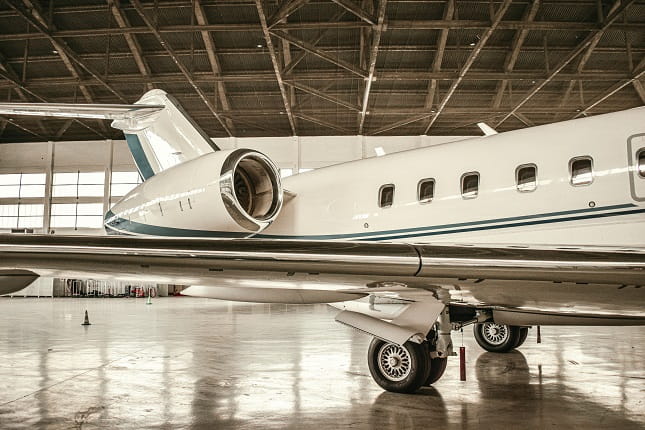
Few purchases carry the weight of buying a private jet, whether for personal use or corporate travel. The decision stretches well beyond picking a sleek model off a spec sheet. Serious buyers must think through financial obligations, day-to-day operations, and the realities of long-term ownership. A thoughtful review upfront saves money, time, and frustration later. The sections ahead outline the main areas every prospective owner should examine before committing.
1) Mission Profile and Travel Needs
Any jet purchase should start with an honest look at how the aircraft will actually be flown. Prospective owners need to consider how often they travel, how many passengers typically come along, and the average leg distance. Quick regional flights call for a different machine than long intercontinental journeys. When browsing listings of private jets for sale, shoppers should ask for detailed cost sheets covering fuel consumption, crew pay, hangar rental, insurance, and scheduled maintenance cycles.
1.1 Range and Cabin Size
Light jets work well for routes under 1,500 nautical miles, while midsize and heavy aircraft cover 3,000 to 7,000 nautical miles comfortably. Cabin proportions matter just as much, especially on extended flights. Executives who conduct meetings in the air will want full stand-up headroom and proper conference seating.
2) Budget Beyond the Sticker Price
The purchase price tells only part of the story. Many first-time buyers underestimate the recurring costs, which can run 10 to 15 percent of the aircraft value every year. A full financial review prevents budget shocks down the road.
A seasoned broker can pull historical operating figures from similar airframes, offering a grounded view of yearly expenses well before any paperwork moves forward.
2.1 Hidden and Variable Costs
Engine reserves, avionics refreshes, and surprise repairs can push annual totals higher than expected. Some owners see maintenance costs spike during the first twelve months after closing, particularly on aircraft carrying deferred service items.
3) Aircraft Age and Maintenance History
A jet’s age is less telling than its care record. A diligently serviced 15-year-old aircraft often outperforms a neglected five-year-old counterpart. Buyers should request complete logbooks, airworthiness directives, service bulletin compliance, and damage disclosures.
3.1 Pre-Purchase Inspection
Skipping an independent pre-purchase inspection is never wise. Qualified technicians dig into engines, airframe components, and avionics to catch hidden issues. Whatever they uncover typically becomes useful leverage at the negotiating table. Bypassing this step leaves buyers open to painful post-sale surprises.
4) Avionics and Regulatory Compliance
Aviation regulators revise airspace rules on a regular basis. An aircraft running outdated avionics may lose access to key routes or airports. Buyers should confirm compliance with ADS-B Out, FANS 1/A, and any other mandates tied to their planned flight regions.
Bringing older avionics up to current standards can run anywhere from $100,000 to $500,000. Building that number into the purchase offer keeps buyers from absorbing the full expense on their own after the sale closes.
5) Resale Value and Market Trends
Private jets depreciate, though some hold value far better than others. Certain models stay strong on the resale market thanks to steady demand, dependable service history, and solid manufacturer support. Studying multi-year resale trends shows which airframes protect equity and which shed it fast.
5.1 Market Timing
Jet values shift with economic cycles, fuel costs, and new model launches. Buying during a soft market can translate to savings of 10 to 20 percent. Those willing to wait for the right deal often come out ahead.
6) Operational Logistics
Ownership obligations continue long after the keys change hands. Owners must secure hangar space, hire flight crews, and often contract management services. Each piece brings its own agreements and performance benchmarks.
6.1 Crew and Management
Employing two pilots plus a maintenance technician can tack on $400,000 or more to yearly expenses. Management firms provide full oversight for a fee, typically 3 to 5 percent of annual operating costs. For owners logging fewer than 200 flight hours a year, chartering sometimes makes better financial sense than outright ownership.
7) Financing and Tax Considerations
Aircraft loans operate differently from traditional financing. Lenders scrutinize the airframe itself, how it will be used, and the borrower’s balance sheet. Interest rates depend heavily on aircraft age and deal structure.
Tax implications shape the final math just as much. Depreciation rules, state sales tax, and use tax obligations vary from one jurisdiction to another. Meeting with an aviation tax specialist before closing helps owners claim every deduction they legally can.
Conclusion
Buying a private jet rewards those who do their homework. Thoughtful owners match the aircraft to real mission needs, scrutinize total ownership costs, and verify every maintenance record. Avionics readiness, resale strength, and operational planning carry equal weight in the final call. Partnering with trusted brokers, inspectors, and tax advisors transforms a complex deal into a confident long-term investment, one that delivers years of reliable, enjoyable travel.