





























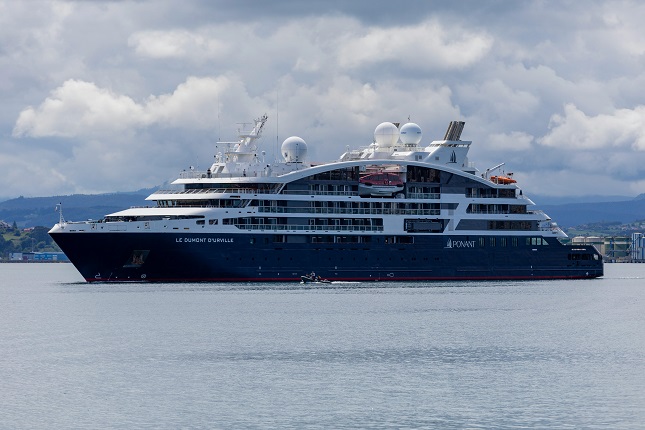
Cruising out of Long Beach down to the Mexican Riviera is the pinnacle of hassle-free luxury travel. But behind the endless buffets and ocean-view suites lies a harsh logistical reality: when a medical emergency strikes at sea, you are your family’s true first responder. Discover why elite travelers are prioritizing medical readiness before they even board the ship.
Long Beach, California is one of the premier gateways to Latin America. Every week, thousands of affluent travelers arrive at the massive Carnival and Princess cruise terminals, ready to embark on luxury itineraries down to Cabo San Lucas, Puerto Vallarta, and the deep Mexican Riviera.
Preparing for these voyages is usually a highly curated affair. Travelers spend months booking private tequila tastings, securing VIP cabanas, and packing the perfect resort wear. But in the meticulous pursuit of a flawless vacation, one critical vulnerability is almost always ignored: the intense physical isolation of being thousands of miles out at sea.
A luxury cruise ship is essentially a floating city, but it is a city completely detached from the mainland’s 911 infrastructure. If a severe medical crisis strikes while you are navigating the open Pacific, the survival of your spouse or traveling companion depends entirely on the people immediately standing in the room. Let’s explore the hidden medical realities of luxury cruising, and why proactive safety preparation is the ultimate pre-trip investment.
The Limits of the Vessel Infirmary
There is a comforting, lingering myth that massive modern cruise ships are equipped with fully functioning hospitals. This is a dangerous misconception.
While luxury ocean liners do carry medical bays, they are essentially small urgent care clinics, not Level 1 trauma centers. They are perfectly equipped to handle extreme seasickness, minor lacerations, or a bad case of norovirus. However, their capacity to handle a massive, sudden cardiac arrest is severely limited by simple geography.
If a passenger collapses in their 12th-deck aft suite, the ship’s medical team must physically navigate crowded corridors, wait for elevators, and haul heavy emergency bags across a vessel that is three football fields long. That geographical transit takes critical time. Brain death begins in just four minutes without oxygen. You cannot afford to just stand in your cabin and wait for the ship’s doctor to knock on the door.
Jet Lag, Heat, and Vacation Exertion
Vacations are supposed to be relaxing, but they often put immense, sudden stress on the human cardiovascular system.
Affluent travelers often fly into LAX from across the country or around the world, completely disrupting their circadian rhythms. Once they board the ship in Long Beach, the indulgence begins. The combination of sleep deprivation, rich foods, heavy alcohol consumption, and the intense, baking heat of the Baja sun creates a perfect storm for physiological distress.
For older travelers or those with underlying (even managed) heart conditions, the risk of a sudden cardiac event spikes dramatically during these trips. Being able to recognize the early, subtle signs of a heart attack in your traveling partner—and knowing exactly how to physically intervene—is the ultimate insurance policy.
The Ultimate Pre-Cruise Preparation
Luxury travel is rapidly evolving. It is no longer just about booking the finest excursions; it is about holistic, proactive risk management. Elite travelers are realizing that they cannot pack a private trauma surgeon in their steamer trunks. They must possess the physical skills to stabilize an emergency themselves.
Before heading to the Long Beach terminal, taking a few hours to complete official American Red Cross training is the single most effective way to protect your family at sea.
These courses teach you exactly how to execute deep, sustained chest compressions in confined spaces (like a cramped cruise ship cabin). They train you on how to rapidly locate and deploy the ship’s public AEDs, and how to aggressively manage a severe choking emergency during a crowded formal dinner.
By partnering with top-tier safety providers like Coast2Coast First Aid & Aquatics, luxury travelers guarantee that their skills are clinically sharp. It completely strips away the anxiety of isolation, ensuring that when you finally step onto the deck and look out over the Pacific, you are traveling with absolute confidence.
Frequently Asked Questions
1) Are there Automated External Defibrillators (AEDs) on cruise ships?
Yes. Modern luxury cruise ships are heavily equipped with public-access AEDs. They are typically mounted in highly visible, central locations such as the main atrium, near the casino, and outside the primary dining rooms.
2) How do I perform CPR in a tiny cruise ship cabin?
Space is incredibly tight in a standard stateroom. If a passenger collapses on the bed, you must immediately drag them onto the hard, flat floor before starting CPR. Chest compressions performed on a soft mattress are completely ineffective because the bed simply absorbs the force.
3) What should I pack in a personal travel medical kit for a cruise?
Skip the generic pharmacy kits. A true traveler’s trauma kit should include heavy ABD pressure dressings, a CPR pocket mask with a one-way valve, high-quality medical shears to cut through thick clothing, and specialized waterproof bandages for pool and ocean excursions.
4) Can ship medics perform emergency surgery?
No. Cruise ship medical staff can stabilize a patient, administer IV fluids, and use defibrillators, but they cannot perform complex internal surgeries. In a severe, life-threatening crisis, the ship must divert to the nearest port or coordinate a highly complex Coast Guard helicopter medical evacuation (medevac).
5) How long is an American Red Cross certification officially valid?
A standard First Aid and CPR/AED certification issued by the American Red Cross is legally valid for exactly two years from the date of completion. Frequent international cruisers should check their card’s expiration date before finalizing their itineraries.