





























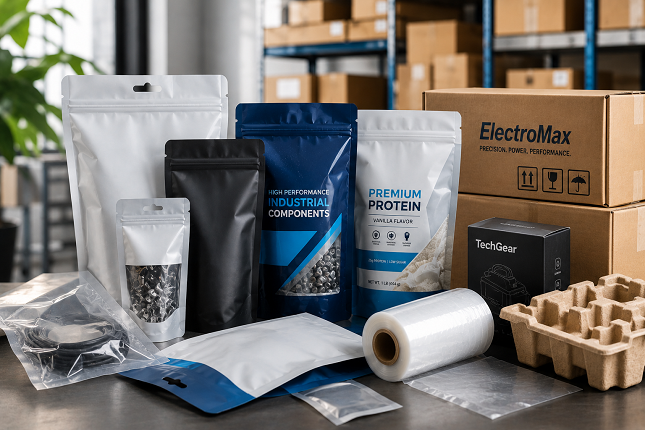
Most businesses don’t spend much time thinking about packaging. It’s usually treated as a quick decision: find something that works, keep costs low, and move on. Simple enough, right?
But here’s where it gets interesting. Packaging has a way of affecting more parts of a business than expected.
It’s not just about the material cost. It shows up when products arrive damaged, when returns start piling up, when boxes take up too much space in storage, or when shipping fees creep higher than planned. These small issues don’t always seem connected, but they often trace back to packaging choices.
For manufacturers like EONSEN flexible packaging supplier , this broader view of packaging is part of everyday operations. Once packaging is seen this way, it stops being a minor expense and becomes something that can quietly shape overall costs.
Looking Beyond the Price Tag: The Real Cost of Packaging
So what’s really going on behind the scenes? It comes down to something simple: what packaging actually costs a business over time.
Start with product damage. If items aren’t properly protected, even a small percentage of damage can lead to replacements, refunds, and unhappy customers.
Then there’s shipping. Packaging that’s oversized or heavier than it needs to be can quietly drive up freight costs, especially as order volume grows.
And packing efficiency matters too. When teams deal with packaging that’s hard to handle or doesn’t fit consistently, the extra time and effort adds up.
Individually, these might seem manageable. But together, they can take a real toll on margins.
That’s where smarter choices come in. The right packaging design and materials can reduce damage, cut unnecessary weight, and make packing more consistent.
How Flexible Packaging Helps Lower Shipping and Storage Costs
This is where flexible packaging starts to stand out. Instead of rigid boxes or bulky containers, it’s designed to adapt more closely to the product itself.
Compared to traditional rigid packaging, it takes up far less space. That means less wasted room during shipping and better use of storage capacity.
Weight also plays a big role. Flexible packaging is typically lighter, which helps reduce shipping costs, especially for businesses moving products frequently.
On a practical level, it’s easier to handle as well. Flexible formats are simpler to stack, store, and transport, helping improve day-to-day efficiency in warehouses.
And when packaging is properly sized, wasted space is minimized. In practical terms, that leads to better storage use, fewer shipments, and lower overall freight costs.
Reducing Damage and Returns Starts with Better Packaging
It doesn’t take many damaged shipments to create bigger problems. A few broken items here and there might seem manageable at first, but over time, they turn into refunds, replacements, and frustrated customers.
And it’s not just about the direct cost. Every return means extra handling, more shipping, and a loss of customer trust. If it continues, it can start to affect how a brand is perceived.
In many cases, the issue comes down to packaging. When it’s too thin, poorly fitted, or not designed for the product, it leaves too much room for damage during transit.
Stronger, well-designed packaging helps prevent that from the start. More durable materials, better sealing, and protection against moisture or air exposure all contribute to better outcomes.
Manufacturers such as EONSEN Pack often focus on these protective elements early in the design process, since prevention is far more cost-effective than dealing with returns later.
Smarter Packaging Can Also Support Sustainability Goals
At the same time, cost savings and sustainability often go hand in hand. Using less material doesn’t just reduce expenses, it also cuts down on waste.
Lighter packaging means fewer raw materials are used upfront and less weight is shipped overall. That combination helps lower both costs and environmental impact.
Flexible packaging plays a role here as well. Many solutions today are designed to use less material while still maintaining strong protection. Some are also recyclable or made with more eco-friendly materials, giving businesses more options to align with sustainability goals.
Companies like EONSEN Pack have also expanded into these types of materials, reflecting a broader shift in the industry toward more efficient and responsible packaging.
Small Changes, Big Impact: Where to Start
Getting started doesn’t have to be complicated. Small adjustments can already make a meaningful difference.
Begin by reviewing current packaging. Is more material being used than necessary? Is there extra space that could be reduced? Even minor changes in size or structure can improve both cost and efficiency.
Next, consider weight. Lighter materials can help reduce shipping costs without sacrificing protection when chosen carefully.
Working with experienced packaging suppliers can also help uncover better design or material options that fit products more efficiently.
The key is to take a closer look at existing processes. Over time, small improvements can add up to real, measurable savings.