






























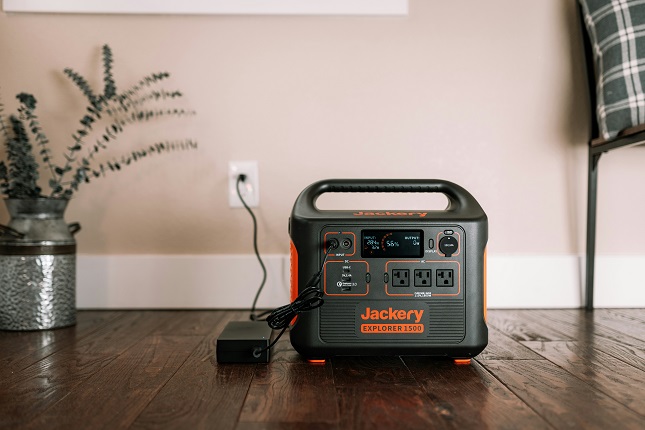
Making the final purchase decision for a home generator cannot be done on impulse. Most homeowners begin by asking a simple question. What type of generator can support essential appliances during an outage? The answer depends on several technical and practical factors that influence generator performance.
A reliable home electric generator should meet household energy needs, daily routines, and long-term maintenance expectations. Instead of focusing on brand names or advertising claims, you will benefit only once you understand the key features that determine a generator’s performance.
How Do Home Generators Work?
A generator produces electricity by converting stored energy into usable electrical power. This process allows appliances and electronic devices to continue operating even when the main grid supply fails.
Many households explore different types of generators before choosing the right solution. Some systems remain permanently installed outside the home, while others can move between locations depending on power needs.
A properly selected home electric generator helps power all essential devices when electricity becomes unavailable. Understanding how generators operate makes it easier to evaluate the features that matter most during the selection process.
Key Factors to Consider To Choose the Right Generator
Power Capacity Should Match Household Needs
Portability And Installation Options
Generators differ in how they are installed and used. Some systems remain permanently connected to a house’s electrical panel. Others are designed to move easily between locations.
A portable generator offers flexibility because it can operate in different environments. Many homeowners use portable units for outdoor activities, temporary power needs, and home emergencies.
Stationary generators, on the other hand, remain installed outside the home and connect directly to the household electrical system. Evaluating how the generator will be used helps buyers decide whether a portable or fixed solution is more appropriate.
Fuel Type And Runtime
The fuel source used by a generator plays an important role in its reliability and operating cost. Different generators operate using gasoline, propane, diesel, or stored battery power.
Each option offers advantages depending on the household situation. Fuel-powered generators can operate continuously as long as fuel is available. Battery-based systems provide quiet electricity but operate only until stored energy is depleted.
When planning to buy an electric generator, homeowners should consider fuel availability, storage options, and expected runtime during extended outages.
Noise Levels And Comfort
Generator noise is another factor buyers should carefully evaluate. Some generators produce noticeable sound while operating, especially when running at higher power levels.
If the generator operates near residential areas, excessive noise may cause discomfort. Manufacturers often provide noise ratings that indicate how loud a generator may be during operation.
Selecting a quieter portable generator can help maintain a more comfortable environment when the generator runs for extended periods.
Maintenance And Reliability
Generators require routine maintenance to remain dependable. Maintenance tasks often include checking engine components, inspecting electrical connections, and replacing filters or fluids.
Even battery-based generators require periodic inspection to maintain battery performance. Without proper maintenance, a generator may fail when electricity becomes unavailable.
A well-maintained home electric generator offers long-term reliability and ensures that backup power remains available during emergencies.
Safety And Electrical Compatibility
Electrical safety should always be considered when installing or operating generators. Generators must connect properly to household electrical systems to prevent overload or electrical hazards.
Many homeowners use transfer switches or other electrical control devices to safely manage generator power. These systems help regulate the flow of electricity between the generator and the household electrical system.
Before buying electric generator equipment, homeowners should ensure the system can operate safely with the existing electrical infrastructure.
Quick Checklist for Buyers
When comparing generators for residential use, several features help determine long-term performance and convenience. Important features to evaluate include:
- Available power output capacity based on appliance requirements.
- Fuel type and expected runtime during extended outages.
- Portability and installation requirements.
- Noise levels during operation.
- Maintenance needs and reliability over time.
These factors help buyers compare models more effectively when selecting an electric generator for home use.
Conclusion
Generators provide essential backup power for households that want to remain prepared for power outages. However, choosing the right generator requires careful evaluation of several technical features.
Homeowners must compare options properly and select a generator that meets their household’s electricity needs.