





























In managing high-capacity commercial and industrial electrical distribution networks, data clarity dictates operational speed. When an entire production block, a server cluster, or a critical cooling system loses power, the engineering team faces immediate pressure to diagnose the cause. A blackout can stem from two entirely distinct scenarios: an intentional, manual mechanical shutdown for routine servicing, or a catastrophic electrical fault such as a short circuit or overcurrent spike. If the supervisory control infrastructure cannot instantly distinguish between a planned maintenance event and a dangerous protective trip, emergency response times lengthen, leading to compounding operational costs and safety risks.
Mechanical Signaling and Internal Contact Logic
Standard electrical panels are excellent at interrupting power to prevent fires, but they have historically been passive in terms of systemic communication. A tripped circuit breaker handles the physical detachment of the internal contact arms from the active busbar, but the external status handle often looks identical whether it was pulled by a technician or thrown by an internal thermal-magnetic mechanism.
To overcome this visibility gap, industrial electrical networks utilize specialized internal signaling switches known as bell alarms or fault indicators. Unlike standard auxiliary contacts—which change state every single time a circuit breaker opens or closes for any reason—a bell alarm mechanism is mechanically isolated from the manual operating handle. It is structurally linked only to the breaker’s internal trip bar.
When a deliberate manual shutdown occurs, the alarm remains passive. By contrast, when an overcurrent, ground fault, or short circuit forces the breaker to trip automatically, the internal trip bar triggers the alarm micro-switch. This physical differentiation changes the state of an isolated secondary control circuit, instantly sending a dedicated electrical signal to localized indicator lights, audible horn networks, or centralized building management software.
Minimizing Diagnostic Delay in Critical Infrastructures
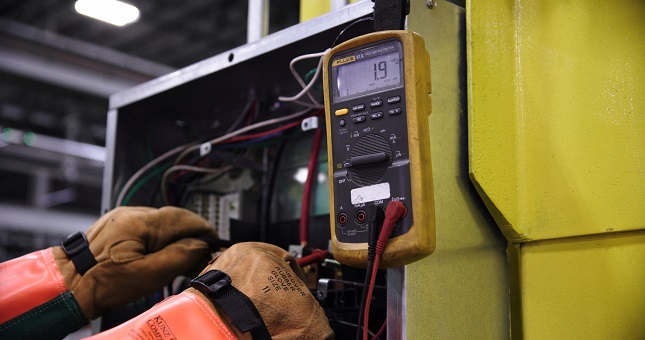
The primary economic drain during an unscheduled power interruption is diagnostic latency. If a facility lacks independent fault signaling, maintenance technicians must manually trace the cause of the power loss by physically inspecting panels. In a massive facility with complex, multi-tiered distribution switchboards, this process involves locating
the correct enclosure, racking out heavy hardware, and testing line voltages with a multimeter.
Integrating specialized signaling accessories into the panelboard design bypasses this manual search entirely. If a critical component in an older, high-capacity panelboard fails due to age or heat exposure, replacing the damaged sensor accessory restores immediate supervisory visibility. Sourcing precision replacement circuit breaker alarms from Essential Electric ensures complete mechanical compatibility with specific manufacturers’ frame sizes, from compact molded-case units to massive insulated-case air circuit breakers.
Once installed within the left or right accessory pocket of the breaker housing, these internal switches provide zero-latency remote notification of protection-activated trips. That clear signal allows facility teams to deploy the correct tools immediately to fix a true electrical fault, entirely skipping the administrative confusion of checking whether a sub-feed was simply turned off for a routine inspection.
[Manual Disconnect] –> Auxiliary Switch Activates –> System Logs Planned Maintenance [Electrical Fault] –> Bell Alarm Trips –> System Triggers Emergency Response
Preventing Catastrophic Re-Closures through Lockout Mechanics
Beyond simple status notifications, advanced fault-signaling accessories play a critical role in preventing human error on the factory floor. When a circuit breaker trips due to a violent short circuit, the extreme energy generated by the electrical arc can fatigue internal components or warp contacts. Attempting to immediately reclose a damaged breaker onto an active, unresolved short-circuit fault can cause catastrophic equipment explosions, destructive arc-flash events, and severe injuries to operators standing near the panelboard.
To mitigate this operational risk, heavy-duty bell alarm assemblies are frequently engineered with integrated mechanical lockouts. When a protection trip occurs, the alarm solenoid fires, popping a physical target button out through the front face cover of the breaker escutcheon. This target button mechanically blocks the manual charging handle or closing mechanism, physically preventing anyone from resetting or closing the breaker. The lockout can only be cleared by manually depressing the protruding target on the breaker face. This physical requirement forces the responding technician to stand directly in front of the unit, verify the explicit fault signal, and perform a mandatory inspection of the circuit before power can be safely reintroduced to the loop.
Future-Proofing Legacy Distribution Architecture
As industrial and commercial facilities transition toward highly automated, data-driven operational models, blind spots within the foundational power grid become major financial liabilities. A facility cannot maintain high-velocity performance parameters if its maintenance workflows rely on manual visual checks to diagnose electrical distribution errors.
By upgrading legacy switchboards with precision-calibrated fault indicators, facility operations turn passive physical assets into intelligent nodes within the modern industrial network. This proactive component design isolates fault telemetry, protects high-value downstream machinery from accidental re-closure shocks, and minimizes production delays. Ensuring a clear distinction between manual maintenance and electrical faults protects your infrastructure, optimizes your maintenance capital, and keeps your operational loops moving forward safely.