





























Small wellness habits can do more for your workday than most fancy planners or productivity hacks. When you feel better, you usually think better, too. That doesn’t mean you need to wake up at 5 a.m., drink a forest-green smoothie, and become a yoga wizard. It just means paying attention to a few everyday choices that shape your energy, focus, and mood. If you run a business, work from home, or just want fewer blah afternoons, these simple habits can help a lot.
Start With Better Choices
Your workday often starts long before you open your laptop. It starts with the choices you make around sleep, food, routines, and even the brands you trust in your home. If you want to feel steadier during the day, it helps to be a little more intentional instead of running on autopilot like a sleepy robot.
That can include learning from companies focused on everyday health products and better living, such as The Wellness Company. The point isn’t to chase perfection. It’s worth noticing what supports your daily life and what quietly drains it.
A better choice can be very small. Swap one sugary drink for water. Keep healthier snacks where you can see them. Pick routines that make your morning calmer instead of more chaotic. Tiny decisions may seem boring, but boring wins often turn into a pretty great week.
Build A Steady Morning
A smoother morning can save your whole day from turning into a dropped-sandwich kind of mess. You don’t need a long routine. You just need one that helps you feel awake, less scattered, and ready to think.
Start with water. After sleep, your body is a bit dried out, and even mild dehydration can make you feel foggy. Then try a little movement. That could be stretching, walking around the block, or dancing badly in the kitchen while your coffee brews. No judgment. Movement helps wake up your brain.
It also helps to delay the phone scroll for a few minutes. If the first thing you see is a stressful email or dramatic news alert, your nervous system may start sprinting before your feet even hit the floor. Give yourself a short buffer. Even ten calm minutes can make you feel more in charge of the day instead of chased by it.
Fix Your Work Setup
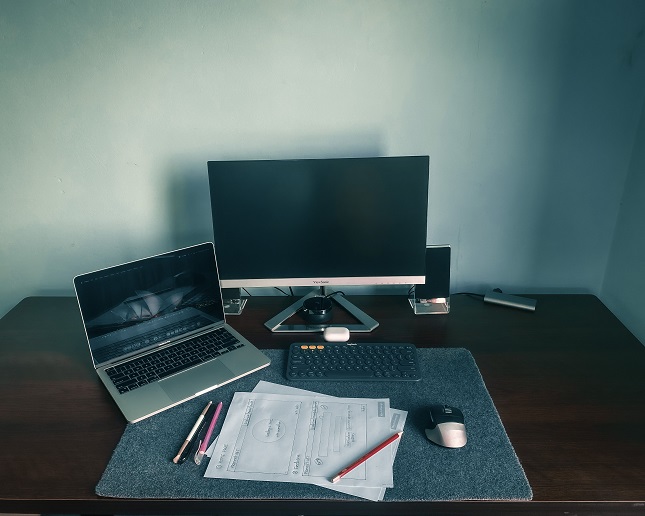
Your workspace doesn’t need to look like a magazine photo shoot, but it should help you feel comfortable. If your chair hurts your back, your desk is buried in mystery papers, and your snack is somehow three rooms away, your setup is working against you.
Start with posture. You don’t have to sit like a statue, but your screen should be easy to see without hunching. Put it at a height that keeps your neck from doing all the heavy lifting. If you work on a laptop, a stand or even a stack of sturdy books can help.
Lighting matters more than people think. Dim rooms can make you sleepy, while harsh lighting can feel annoying by noon. Natural light is great if you can get it. Also, clear a little space around you. Clutter can make your brain feel crowded. Keep water nearby, store useful things within reach, and make healthy snacks easier to grab than the cookie treasure chest.
Eat For Clear Focus
Food can either help your brain stay on task or send it sliding into a 2 p.m. nap fantasy. The goal isn’t to eat like a nutrition influencer. It’s about choosing meals and snacks that keep your energy more even.
A breakfast with some protein and fiber usually works better than a pastry that disappears in four bites and leaves you hungry an hour later. Think eggs, yogurt, oatmeal, fruit, or toast with peanut butter. For lunch, try something that won’t make you feel heavy and sleepy. A sandwich with protein, rice, and veggies, or a hearty salad can all do the job.
Snacks matter, too. If you wait until you’re starving, you’ll probably grab whatever is fast. Keep simple options around:
- nuts
- fruit
- cheese sticks
- hummus and crackers
- yogurt
And yes, caffeine can help. Just try not to treat coffee like a personality trait. Too much can make you jittery, cranky, or weirdly tired later.
Make Stress Less Bossy
Stress loves to act like the boss of everything. If you let it run wild, it can wreck your focus, patience, and sleep. The good news is that stress doesn’t always need a huge fix. Sometimes it just needs a few smaller interruptions.
Short breaks help more than many people expect. Stand up, stretch, refill your water, or step outside for five minutes. These tiny pauses can help your brain reset before you hit the point where every email feels personal. If you work for yourself, boundaries matter even more. It’s easy to keep working forever when your office is ten steps from the couch.
Try setting a clear stop time. Also, pay attention to what makes your stress spike. Maybe it’s too many meetings in a row or skipping lunch until late afternoon. Once you spot the pattern, you can adjust it. Stress may still show up, but it doesn’t need to take over the whole building.
Keep Healthy Habits Going
The biggest mistake people make with wellness is trying to change everything at once. That usually lasts about as long as a New Year’s gym crowd. Real progress comes from doing a few useful things often enough that they become normal.
Pick two or three habits that fit your real life. Not your fantasy life where you meal prep for seven days and meditate at sunrise on a spotless balcony. Your actual life. Maybe that means drinking more water, taking a walk after lunch, and keeping a regular bedtime on weekdays.
It also helps to make habits easy to repeat. Put the water bottle on your desk. Set out your walking shoes. Keep better snacks visible. If you miss a day, don’t turn it into a dramatic breakup with your routine. Just start the next day again.
Wellness works best when it feels supportive, not punishing. If a habit helps you feel clearer, calmer, and more capable at work, that’s a solid win worth keeping.