

























Operating a marine wildlife tour requires more than just a passion for the ocean. It is a business model built on the intersection of environmental science, maritime law, and hospitality. Small business owners in this niche must manage high overhead costs, including specialized insurance and fuel, while adhering to strict government regulations.
Unlike a standard boat rental service, a wildlife-focused operation carries the added responsibility of protecting biological assets that the business does not own or control. This article examines the internal logistics and the practical realities of managing these guided experiences.
Pre-Departure Logistics and Equipment
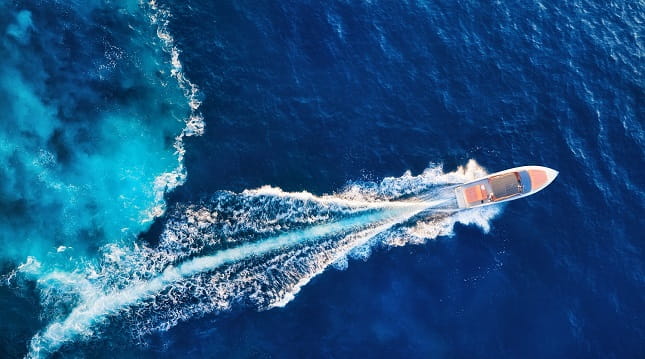
The work day begins several hours before passengers arrive at the dock. The crew starts with a mechanical audit of the water vessel. This includes checking fluid levels, bilge pumps, and battery health to prevent mid-tour breakdowns. Reliability is a core component of the business’s reputation.
Equally important is the inventory of safety gear. The captain ensures the vessel carries the legal requirement of life jackets for all weight classes, including infants and adults. They also verify that flares, fire extinguishers, and first aid kits have not expired.
Beyond emergency items, the crew prepares the deck for guest comfort. This involves stocking high-factor sun protection and ensuring the freshwater systems are full. Every piece of equipment, from the anchor to the fishing boat tackle, if the tour is multi-purpose, must be in its designated place to ensure a clear deck for passenger movement.
Technical Navigation and Environmental Monitoring
Navigation in wildlife zones is a technical skill that goes beyond steering a boat. Captains utilize advanced navigation tools to overlay depth charts with known wildlife migration patterns. Understanding the local tides and currents is mandatory; for instance, certain species only enter specific bays during high tide to feed.
When the vessel enters a protected habitat, the operator implements wildlife-safe boating protocols. This is a deliberate process of speed reduction and sound management. Large engines create cavitation noise that can interfere with the sonar of marine mammals.
By monitoring the RPMs and staying in deep water channels, the captain reduces the acoustic footprint of the boat. This section of the trip is less about speed and more about positioning the boat in a way that uses natural current to drift toward observation points, rather than using the motor to chase animals.
The Regulatory Landscape and Compliance
A significant portion of a guided experience involves legal compliance. In many regions, boat tours must operate under specific permits that limit the number of hours they can spend near a pod of whales or a colony of seals. Operators must keep logs of their sightings and any interactions to report back to environmental agencies and, in some jurisdictions, the Coast Guard.
This administrative side of the business is a constant factor during the trip. The crew must ensure that no passenger attempts to feed or touch the animals, as this could result in the immediate revocation of the business license. It is a firm, direct management style where the crew prioritizes the law over a passenger’s desire for a closer photo. Maintaining this boundary is essential for the long-term viability of the tour company, as a single violation can lead to heavy fines that threaten the small business’s profit margins.
Diversifying the On-Water Service
Many operators do not rely solely on observation. To stay competitive, businesses often integrate water sports or snorkeling into their itineraries. This adds a layer of complexity to the staff’s duties. When the boat stops for guests to enter the water, the crew must maintain a ‘lookout’ position to monitor for changes in weather or the approach of other vessels.
The transition from a moving vessel to a stationary platform requires precise anchoring techniques to avoid damaging coral reefs or seagrass beds. The staff also provides briefings on boating safety, specifically for those exiting the boat. They explain how to use the ladder, how to stay within the visual range of the captain, and how to signal if they become fatigued. This diversification helps the business appeal to a broader demographic but requires the crew to be trained in both maritime deck work and life-saving techniques.
Conclusion
The reality of a guided marine tour is an exercise in risk management and disciplined operations. It is a business where the ‘office’ is constantly moving and subject to the whims of the weather and animal behavior. By focusing on the maintenance of the water vessel, adhering to strict navigation laws, and managing passenger expectations with directness, operators can build a sustainable brand.
While the guests see the beauty of the wildlife, the owner sees the successful execution of a complex logistical plan. Balancing these two perspectives is what defines a professional maritime operation in the modern tourism market.