



























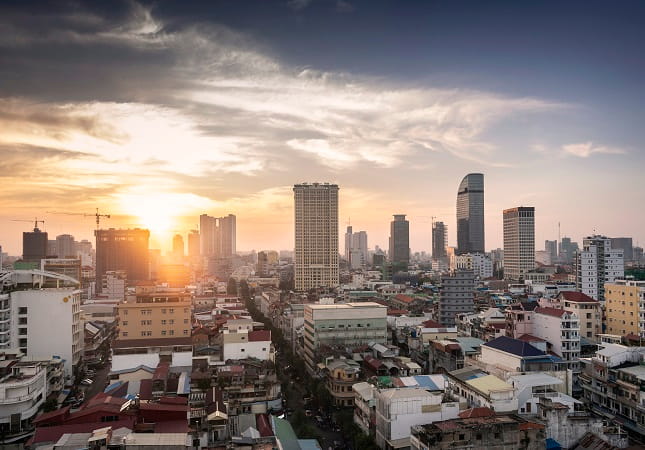
The era of the transient digital nomad is maturing into something far more structured. In the past, location-independent work was often associated with freelancers working from beachside cafes on short-term visas. Today, the landscape looks remarkably different. Driven by the global acceptance of distributed teams and digital infrastructure improvements, established business owners are no longer hopping from one temporary rental to another. Instead, they are establishing permanent, strategic footholds in emerging global hubs. Southeast Asia, long favoured by budget travellers, has rapidly transformed into a premier destination for serious remote entrepreneurs who want to build a stable, long-term business base.
The Strategic Shift from Temporary to Permanent
What began as a desire for a better work-life balance has evolved into a calculated operational strategy. Founders, e-commerce owners, and software developers are realising that operating from cities like Bangkok, Ho Chi Minh City, or Kuala Lumpur provides immense logistical advantages. The infrastructure in these areas now rivals major Western capitals, boasting ultra-fast internet, world-class healthcare, and premium co-working spaces. Furthermore, regional governments are actively encouraging this influx of talent by introducing specialised long-term resident visas tailored for wealthy global citizens and remote professionals.
For entrepreneurs ready to make the leap from temporary visitor to long-term resident, securing permanent real estate is often the first major step. Finding a condominium for sale in bangkok provides a tangible asset that anchors a founder to a bustling commercial hub. It offers a luxurious lifestyle and high-end amenities at a fraction of the cost of similar properties in London or New York, allowing business owners to maximise their personal wealth while scaling their companies.
A Booming Property Market for Foreign Investors
The transition from renting to owning overseas is heavily driven by compelling economic data. The broader region is currently experiencing a massive surge in commercial and residential appeal. In fact, global real estate firm CBRE recently highlighted in their Asia Pacific Investment Strategies 2025 report that the commercial real estate market is experiencing highly favourable cyclical shifts, making it an opportune moment for buyers. This optimistic forecast is fuelled by solid investor demand, stable economic resilience, and a rapidly expanding middle class.
This influx of capital makes the region highly attractive for those looking to diversify their financial portfolios outside of traditional Western markets. Navigating these overseas property purchases requires careful planning and local knowledge. As outlined in this excellent overview of the most lucrative cities to invest in real estate, understanding local market dynamics, foreign ownership regulations, and the most profitable neighbourhoods for yield generation is absolutely vital before signing any contracts.
Key Benefits of a Southeast Asian Business Base
Beyond the obvious perks of property investment, establishing a regional headquarters in Southeast Asia yields several powerful operational advantages. The region offers a unique blend of affordability and high-end corporate amenities that can significantly accelerate a company’s growth trajectory.
- Reduced Operational Overhead: Rent, utilities, and daily living expenses are significantly lower than in the West. This financial flexibility allows founders to reinvest capital directly back into product development or marketing. Additionally, the lower cost of living means that founders can enjoy a higher standard of living while still bootstrapping their ventures, effectively extending their business runway.
- Access to Emerging Talent: The local talent pool across Southeast Asia is highly educated, technologically proficient, and increasingly bilingual. Hiring local staff can dramatically reduce a company’s payroll costs without sacrificing quality. Furthermore, many regional governments are investing heavily in STEM education, ensuring a steady pipeline of skilled graduates ready to join fast-paced international start-ups.
- Strategic Geographical Positioning: Operating from the heart of Asia places international businesses in close proximity to major manufacturing hubs and expanding consumer markets. This simplifies supply chain management for e-commerce brands.
- Robust Networking and Community: The dense concentration of like-minded founders creates a supportive ecosystem. Entrepreneurs can easily find mentors, partners, and angel investors who deeply understand the nuances of borderless business.
The modern entrepreneur is no longer tethered to a single geographical location. By choosing to plant permanent roots in Southeast Asia, forward-thinking founders are making a deliberate choice to optimise both their personal lives and their company balance sheets. The combination of appreciating global real estate, drastically lower operational costs, and unparalleled access to dynamic new markets creates a compelling case for international relocation. As the global economy continues to embrace distributed work models, the trend of building a permanent business base in Asia will undoubtedly accelerate. Those who act now to secure their operational hubs and property investments will be uniquely positioned to reap the long-term rewards of this historic geographic and economic shift.