






























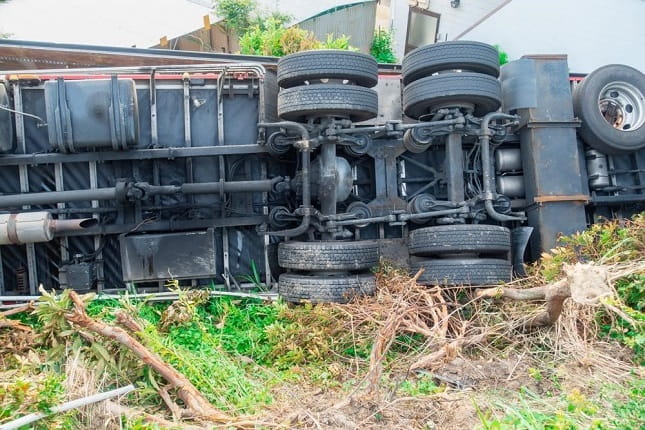
A truck accident leaves a visible mark, yet the truth behind it stays hidden for a long time. The road shows damage, reports get filed, and people expect quick answers, but the real story does not come together so easily. Responsibility moves through layers, and each layer takes time to understand. Early information often feels complete, even though it is only the surface.
This slow build is what shapes many truck accident compensation claims, where clarity comes later, not at the start. The real picture forms step by step, and that process is what makes these cases different from the beginning.
Why Liability Takes Time to Become Clear
Multiple Parties Behind a Single Truck on the Road
A truck on the road may look like a single unit, but it carries many responsibilities behind it. The driver controls the vehicle, but the company manages schedules, maintenance teams handle repairs, and loaders prepare the cargo. Each of these roles adds a layer to the case.
At first, it may seem like the driver is responsible, yet a deeper review often shows shared involvement. This is why liability does not settle quickly. It spreads across different roles, and each role needs to be studied with care before any clear conclusion can be reached.
The Role of Company Policies and Internal Systems
Company rules and internal systems shape how trucks operate every day. Drivers follow schedules, meet delivery targets, and depend on the systems set by the company. These systems can create pressure that affects decisions on the road. A tight delivery timeline or lack of proper rest can slowly build risk.
At first, these details remain hidden because they are not visible at the accident site. As records are reviewed, these patterns begin to show. This is where responsibility shifts from a single action to a larger system, making the case more detailed and layered.
Evidence That Is Not Immediately Available
Important evidence in truck accident cases is rarely available right away. Key details are stored in records and devices that require time to access and review. This includes:
- Driver logs that show working hours
- Electronic data that records vehicle activity
- Maintenance records that reveal repair history
- Inspection reports that show safety checks
Each piece of information adds clarity, but none of it appears instantly. The delay in accessing this evidence is one of the main reasons liability unfolds slowly. Without these details, early assumptions remain incomplete.
Early Assumptions That Do Not Hold Over Time
Initial reactions often focus on what can be seen at the accident scene. People look at damage, positions of vehicles, and immediate statements to form a quick understanding. These early assumptions feel strong, yet they do not always last. As more information comes in, these ideas begin to change. What seemed simple starts to feel more complex.
This shift is common in truck accident cases because the deeper facts are not visible in the beginning. Over time, the case grows stronger as new details replace early guesses with clear facts.
How the Investigation Gradually Builds the Case
Connecting Events Before, During, and After the Crash
A proper investigation does not focus only on the crash itself. It looks at what happened before, what occurred during, and what followed after. Each phase adds a part to the story. The timeline becomes clearer as these pieces connect. Small details that seemed unrelated at first begin to make sense together. This connection builds a complete view of the situation, helping to explain how the accident occurred and who may be responsible.
Expert Analysis and Technical Review
Specialists play an important role in understanding truck accident cases. They study technical details and review records with a trained eye. Their work includes examining vehicle performance, reviewing compliance with safety rules, and studying patterns in operation. This level of analysis takes time, but it brings depth to the case.
As findings become clearer, liability starts to take shape. The process may feel slow, yet it builds a strong and reliable understanding of the situation.
Where Responsibility Starts to Take Shape
Patterns That Point Beyond the Driver
As the investigation moves forward, patterns begin to appear. These patterns often show that the issue goes beyond the driver alone. Repeated maintenance gaps, unclear safety checks, or consistent scheduling pressure can point to larger concerns. These patterns are not visible at the start, yet they become clear through careful review. They shift the focus from one action to a series of connected decisions.
When Documentation Starts Telling a Consistent Story
Documents play a strong role in building the case. Records begin to match events, and details align with each other. Differences in early statements become easier to identify, and a clear story starts to form. This stage is where liability becomes more certain. The consistency of information gives strength to the case and helps explain how responsibility is shared or placed.
Clarity Arrives Through Process, Not Speed
Liability in truck accident cases does not appear in a single moment. It develops through time, review, and careful connection of details. Early confusion is a normal part of the process, and it does not weaken the case.
In fact, many strong truck accident compensation claims grow from this slow and steady build of understanding. What matters most is how the details are gathered and how clearly they come together. A clear process creates a stronger case, and that clarity is what brings real accountability into focus.