






























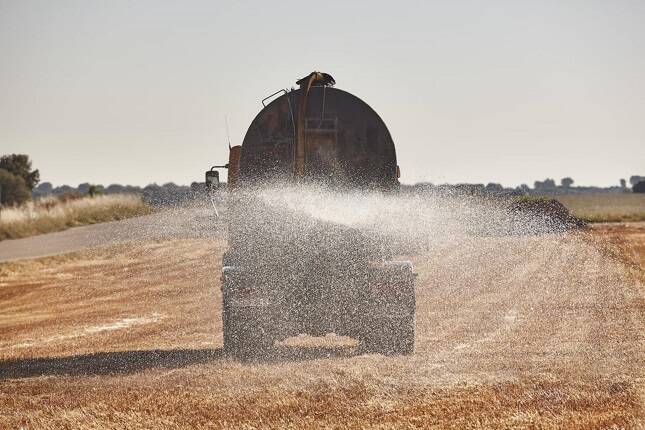
Water is one of the most essential resources for human survival, agriculture, and industry. Yet, in many situations – whether due to drought, remote locations, or emergency scenarios – access to clean water is not guaranteed. This is where water trucks play a critical role. These specialized vehicles transport vast quantities of water to areas where traditional infrastructure is lacking or overwhelmed.
This article explores the logistics behind large-scale water transport, the different types of water trucks, their applications, and the challenges involved in ensuring efficient and safe water delivery.
The Critical Role of Water Trucks
Water trucks, also known as water tankers or bowsers, are designed to carry and distribute large volumes of water efficiently. They are indispensable in various industries and scenarios, including:
- Construction Sites: Used for dust suppression, soil compaction, and concrete mixing.
- Agriculture: Supplying irrigation to remote farms or during dry seasons.
- Mining Operations: Providing water for mineral processing and dust control.
- Emergency Relief: Delivering potable water to disaster-stricken areas.
- Municipal Services: Maintaining parks, filling reservoirs, and supporting firefighting efforts.
Without water trucks, many essential operations would come to a halt, particularly in arid regions or locations with limited water infrastructure.
Types of Water Trucks and Their Configurations
Not all water trucks are the same. Their design varies depending on capacity, terrain, and intended use. The most common types include:
1) Standard Water Tankers
- Capacity: Typically 2,000 to 6,000 gallons.
- Features: Equipped with pumps and spray systems for controlled distribution.
- Uses: Municipal work, construction sites, and agricultural irrigation.
2) Off-Road Water Trucks
- Capacity: Up to 10,000 gallons or more.
- Features: Reinforced frames, all-terrain tires, and high-pressure pumps.
- Uses: Mining, oil fields, and remote construction projects.
3) Potable Water Trucks
- Capacity: Varies, but often between 1,000 and 5,000 gallons.
- Features: Stainless steel tanks, sanitization systems, and FDA-compliant materials.
- Uses: Emergency drinking water delivery, military operations, and mobile hospitals.
4) Firefighting Water Trucks
- Capacity: Can exceed 10,000 gallons in some cases.
- Features: High-volume pumps, multiple discharge ports, and rapid deployment systems.
- Uses: Wildfire suppression, industrial firefighting, and rural fire response.
Each type is engineered to meet specific demands, ensuring water is transported safely and efficiently.
The Logistics of Water Transport: Key Considerations
Moving water on a large scale is more complex than simply filling a tank and driving to a destination. Several logistical factors must be managed:
1) Sourcing and Loading Water
- Municipal Supplies: Many water trucks refill at fire hydrants or treatment plants.
- Natural Sources: In remote areas, water may be drawn from lakes, rivers, or wells.
- Filtration Needs: Potable water must be treated to meet health standards before transport.
2) Transportation Routes and Efficiency
- Distance: Longer hauls require careful planning to minimize fuel costs and delays.
- Road Conditions: Rough terrain may necessitate specialized vehicles with off-road capabilities.
- Traffic and Regulations: Oversized loads may require permits and restricted travel times.
3) Distribution Methods
- Gravity Feed: Some trucks release water through bottom valves.
- Pressurized Spray Systems: Used for dust control or irrigation.
- Piped Transfers: Direct pumping into storage tanks or reservoirs.
4) Maintenance and Sanitation
- Tank Cleaning: Regular cleaning prevents contamination, especially for potable water.
- Pump and Valve Checks: Ensuring mechanical components function properly avoids leaks and inefficiencies.
- Corrosion Prevention: Stainless steel or lined tanks extend service life.
Challenges in Large-Scale Water Transport
Despite their importance, water trucks face several operational challenges:
1) High Operational Costs
- Fuel, maintenance, and labor expenses can add up, especially in remote locations.
- Water theft and unauthorized usage can lead to financial losses.
2) Environmental Concerns
- Over-extraction from natural sources can deplete local water tables.
- Spills or leaks may contaminate soil and groundwater.
3) Regulatory Compliance
- Different regions have strict rules on water extraction, transport, and quality.
- Permits may be required for large-scale water movement.
4) Seasonal Demand Fluctuations
- Droughts increase demand, straining available resources.
- Winter conditions can freeze tanks and hoses, disrupting operations.
Innovations in Water Truck Technology
To address these challenges, advancements in water truck design and logistics are emerging:
- Smart Monitoring Systems: Sensors track water levels, pressure, and quality in real time.
- Solar-Powered Pumps: Reduce fuel dependency in off-grid operations.
- Lightweight Composite Tanks: Increase payload capacity while reducing vehicle weight.
- Automated Dispensing: Improves precision in water distribution for agriculture and dust control.
These innovations enhance efficiency, reduce costs, and minimize environmental impact.
The Future of Water Transport
- Increased Use in Disaster Response: Faster deployment of water trucks during floods, hurricanes, and droughts.
- Integration with Smart Cities: Connected water systems that optimize delivery routes based on real-time demand.
- Sustainable Practices: Rainwater harvesting and wastewater recycling to supplement transported water.
Conclusion: Keeping the World Hydrated, One Truck at a Time
Water trucks are an unsung hero of modern infrastructure, ensuring that communities, industries, and emergency responders have access to the water they need. From construction sites to disaster zones, their role in large-scale hydration is irreplaceable.
By understanding the logistics behind water transport—from sourcing and distribution to regulatory and environmental challenges—we can better appreciate the complexity of keeping the world hydrated.
For industries and governments alike, investing in reliable water trucks and optimized transport systems is a necessity.