





























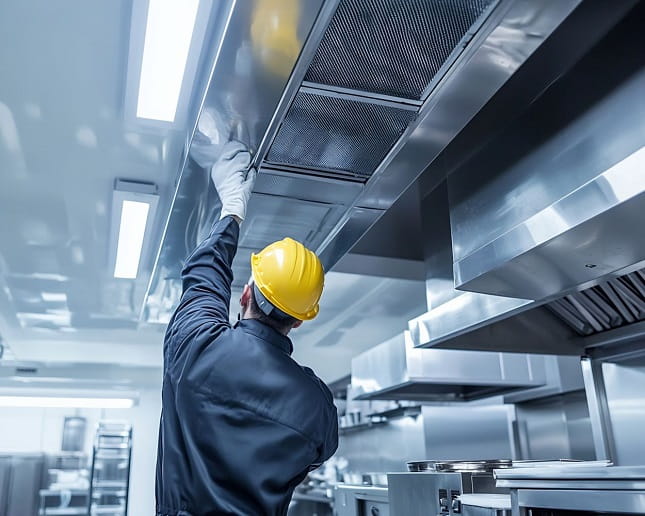
In the competitive landscape of the food industry, success depends on a delicate balance of quality, service, and safety. For restaurants, gas stations, and convenience stores, the physical environment is just as crucial as the food itself. At the heart of this environment lies the Heating, Ventilation, and Air Conditioning (HVAC) system. When this complex system fails, delaying necessary repairs is a gamble that no food business can afford to take. The risks are multifaceted, impacting everything from food safety and legal compliance to operational costs and brand reputation.
Here’s why delaying commercial HVAC repair can put your food business at risk:
The Critical Link Between Temperature Control and Food Safety
The most immediate and severe risk of a malfunctioning HVAC system is the threat to food safety. Perishable ingredients, from fresh produce and dairy to raw meats and prepared meals, require strict, consistent temperature ranges to inhibit the rapid growth of pathogenic bacteria. A struggling air conditioning system, especially during humid summers, can allow kitchen temperatures to soar. This can create a cascading problem: not only does it spoil ingredients stored at room temperature, but it also forces walk-in coolers and freezers to work overtime to compensate for the ambient heat. This added strain can lead to compressor failure or inadequate cooling, turning a costly inventory into a biohazard.
Beyond the kitchen, the temperature in customer-facing dining areas is also a component of food safety. A warm, humid dining room can accelerate spoilage in self-serve areas, such as salad bars or uncovered displays. Furthermore, employee performance and hygiene can degrade in a hot kitchen. Staff may become fatigued, less vigilant about handwashing, or more prone to mistakes, all of which indirectly increase the risk of food contamination. Delaying repairs means willingly accepting a higher probability of serving unsafe food, a risk that can have devastating consequences for public health.
As such, securing professional assistance through commercial HVAC repair in New Bern or similar locations can ensure that these critical temperature control systems receive the expert attention they require before safety is compromised.
Protecting Your Capital Investment and Brand Reputation
Commercial HVAC systems represent significant capital investment, often costing tens of thousands of dollars. Neglecting repairs is akin to letting that investment depreciate at an accelerated rate. Small fixes, like replacing a capacitor or tightening an electrical connection, are inexpensive compared to the cost of replacing a burned-out motor or an entire compressor. By delaying service, you’re actively shortening the lifespan of your expensive equipment and guaranteeing a much larger capital expenditure soon.
Additionally, in the age of online reviews and social media, your business’s reputation is its most valuable currency. A hot, stuffy dining room can create an unpleasant guest experience. Customers will notice if they’re uncomfortable, and they’re likely to associate that discomfort with poor management.
Bad reviews citing an uncomfortable environment or, worse, a suspected case of food poisoning can spread rapidly, deterring potential new customers and eroding the loyalty of existing ones. Protecting your brand’s image means ensuring every aspect of the customer’s experience, including your physical comfort, is positive and professional.
The Domino Effect on Operational Efficiency and Inventory
An ignored HVAC issue rarely stays isolated. A refrigerant leak, for example, doesn’t just reduce cooling capacity as it forces the compressor to run continuously, leading to its premature failure. A clogged filter can restrict airflow, causing the system to freeze up and potentially burst into a coil. These small problems can escalate into major system failures that require extensive, expensive repairs and prolonged downtime.
For your food business, downtime can translate directly to lost inventory. When a walk-in cooler temperature climbs into the danger zone for an extended period, the contents, which are often worth thousands of dollars, must be discarded. This is a direct hit to the bottom line. Simultaneously, your business may be forced to halt service. Your restaurant can’t serve food if its refrigeration is compromised, or its kitchen is unbearably hot. A gas station can’t sell fresh food items if the display cases are warm. This operational paralysis cuts revenue at the source, turning a repair bill into a much larger financial crisis.
Health Code Violations, Legal Funding, and the Cost of Non-Compliance
Food businesses operate under a strict regulatory microscope. Regular health inspections are a fact of life, and HVAC functionality is a standard line item on every inspector’s checklist. A failed inspection due to improper temperature control, excessive humidity, or a faulty kitchen exhaust system can result in immediate consequences. These can range from failing scores that must be publicly posted to fines, suspension of a permit, or even forced closure.
The financial implications of non-compliance extend beyond the initial penalty. A failed inspection can trigger re-inspection fees, and the loss of revenue during a closure can be catastrophic. There are also long-term costs, such as the need for corrective action plans or increased scrutiny from health departments. In some severe cases where illness is traced back to a business, the path may even lead to litigation.
Securing proper legal funding to defend against such claims or to cover immediate operational shortfalls becomes a stressful necessity, diverting focus from running the business to fighting for its survival. Proactive maintenance and timely commercial HVAC repair are the most effective insurance policies against these regulatory and legal nightmares.
Conclusion
For your food business, the HVAC system is a fundamental component of daily operations and regulatory compliance. Delaying commercial HVAC repair can expose your establishment to unacceptable risks, including food spoilage, health code violations, potential legal action requiring legal funding, and irreparable damage to brand reputation. The path to operational stability and customer trust runs directly through consistent, professional maintenance and immediate response to equipment warnings.
By keeping the information mentioned above in mind, your food business can invest in its most valuable assets, including public health, inventory security, and the long-term viability of your enterprise.