






























You might think your product is good, your pricing is fair, and your customer service is decent. So why are some people choosing your competitor over you? A lot of the time, the answer has nothing to do with your product at all. It has everything to do with what people find when they search your name online. Your online reputation is quietly working for you, or against you, every single day, and most business owners never even notice it happening.
What People Do Before They Buy Anything
Before someone spends money, they look things up. It does not matter if it is a $10 purchase or a $10,000 service. People search, read, scroll, and compare before they decide. This has become completely normal behavior.
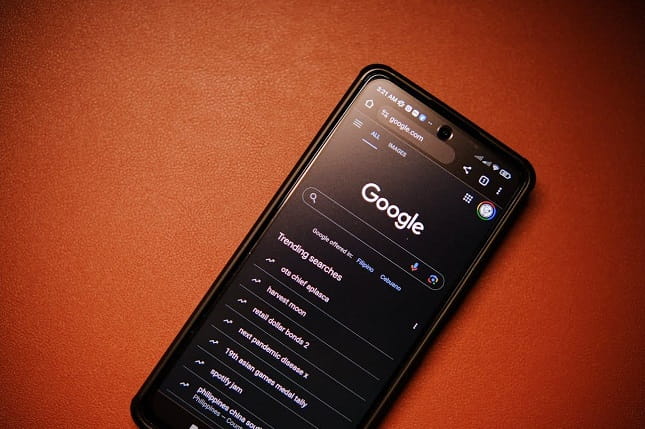
They type your brand name into Google. They check your reviews on sites like Yelp, Google, or Trustpilot. They look at your social media pages. They might even search for complaints or news about you. All of this happens before they ever contact you or visit your website.
Here is a quick look at the most common things people check before making a purchase decision:
| Google search results. They type your business name and scan whatever comes up on the first page, including news, reviews, and third-party mentions. |
| Star ratings and review counts. A low rating or very few reviews raises doubt immediately, even before reading a single word. |
| Social media activity. They check if your pages are active, how you respond to comments, and whether people are talking about you. |
| Competitor comparison. Many buyers check at least two or three options side by side before committing. |
| Recent news or complaints. Some people specifically search for problems or scams connected to your business name. |
If what they find looks good, they move forward. If what they find looks messy, outdated, or negative, smart entrepreneurs quietly close the tab and go somewhere else. You never get a call, you never get a chance to explain, and you never know it happened.
How a Few Bad Reviews Do More Damage Than You Think
One or two negative reviews do not seem like a big deal. You might even tell yourself that no business is perfect, and people understand that. That is partly true; a few mixed reviews can actually look more real than a perfect score. The problem starts when those bad reviews are the first thing someone sees, or when there are too many of them.
Research consistently shows that people trust online reviews almost as much as personal recommendations. A pattern of negative feedback, even if the complaints are old, sends a strong signal that something is wrong. Shoppers read those reviews and imagine themselves having the same bad experience.
What makes this worse is that unhappy customers are far more likely to leave a review than happy ones. So your online image can end up being shaped more by your worst moments than your best ones.
| Pro Tip: Make it a habit to ask happy customers for a review right after a positive experience through a follow-up email, a receipt, or a simple text message. The easier you make it for them, the more likely they are to actually do it. A steady flow of fresh positive reviews naturally pushes down the impact of occasional negative ones. |
Search Results Shape How People See You Before You Say a Word
This is where things get interesting. When someone Googles your business, the results they see are not just your website. There might be news articles, forum posts, competitor comparisons, or old content that no longer reflects who you are.
If a negative article or complaint thread shows up on page one, that becomes part of your reputation whether you want it to or not. Most people never go to page two of Google. So whatever is sitting at the top of your search results is what defines you in their mind.
This is why working with services like Reputation Defense Network can make a real difference. They help businesses push down harmful search results and build a stronger, more accurate presence that actually reflects the quality of what you offer.
Social Proof Is a Sales Tool You Might Be Ignoring
Positive reviews, testimonials, and happy customer stories are not just feel-good content. They directly influence buying decisions. When someone sees that 200 people gave you five stars, they feel less risk in choosing you. That sense of safety is what moves people from maybe to yes.
Social proof works because people copy the behavior of others. If a lot of people have trusted you, it feels safer to trust you too. On the flip side, if your review count is low or your ratings are average, people hesitate. They wonder why more people are not raving about you.
| Pro Tip: Add testimonials to your website homepage, product pages, and even your email signature. Do not keep social proof buried in one corner of the internet; spread it across every touchpoint a buyer might visit. Video testimonials work particularly well because they feel harder to fake and more personal. |
Your Response to Criticism Tells People a Lot About You
How you handle a bad review says more about your character than the review itself. When a business ignores complaints or responds defensively, potential customers take note. It signals that the company does not care much about making things right.
On the other hand, when you respond calmly, acknowledge the issue, and offer a solution, you actually build trust. Even the person who left the bad review might soften. More importantly, the dozens of people reading that exchange see a business that is accountable and professional.
Responding to reviews, both good and bad, is one of the simplest things you can do for your reputation, and most businesses skip it entirely.
Silent Signals That Are Costing You Sales Right Now
Not everything that hurts your reputation is loud and obvious. Sometimes it is the absence of things that creates doubt. An outdated website, a social media page that has not been posted on in two years, or a Google Business profile with no photos. These things signal that a business might not be active or reliable.
People notice when a brand looks abandoned online. They wonder if you are still operating, if you care about your customers, or if they can trust you with their money. Keeping your digital presence fresh and consistent is not just about marketing. It is about proving that you are legitimate, present, and worth their trust.
Reputation Is Something You Build on Purpose
A good reputation does not happen by accident. It is the result of consistently delivering on your promises, asking happy customers to share their experience, responding to feedback, and staying on top of what is being said about you online.
Most businesses wait until something goes wrong before they start paying attention to their reputation. By then, the damage had already affected sales; they never even knew they had lost. Start treating your online reputation as an active part of your business strategy, and you will start seeing it work in your favor instead of silently against you.
FAQ
Q1: How does my online reputation affect my sales?
Answer: Your online reputation plays a crucial role in sales because potential customers often research your brand before making a purchase. If they find negative reviews or outdated information, they may choose your competitor instead, often without you even knowing it.
Q2: What should I monitor to manage my online reputation?
Answer: You should keep an eye on search engine results when your brand name is Googled, as well as reviews on platforms like Yelp and Google. Reputation Defense Network also recommends tracking social media activity, recent news coverage, and customer complaints, since all of these can influence how your brand is perceived online.
Q3: How can I encourage more positive reviews from customers?
Answer: Make it easy for satisfied customers to leave reviews right after a positive experience. Send follow-up emails, include a request for receipts, or send a simple text message. The more accessible you make it, the more likely they are to share their positive experiences.
Q4: What should I do if I receive a negative review?
Answer: Respond to negative reviews calmly and professionally. Acknowledge the issue, offer a solution, and show that you care about your customers. This not only helps to mend that particular relationship but also builds trust with potential customers who are reading the exchange.