































New York City real estate is notoriously competitive and constantly evolving. For homeowners navigating the complexities of the market, whether they are renovating a historic brownstone or figuring out the logistics of buying and selling a house at the same time, finding ways to stand out and maximize property value is paramount. Today, the most effective strategy for making a property highly desirable is investing in eco-friendly renovations. Sustainable home upgrades are no longer just a niche trend for the environmentally conscious; they are highly practical improvements that drastically cut monthly utility bills while simultaneously boosting overall home value. From installing cutting-edge solar panels to integrating smart home technologies and efficient plumbing, residents are discovering that green upgrades offer an impressive return on investment while improving daily comfort.
Maximizing Rooftop Potential with Solar Energy
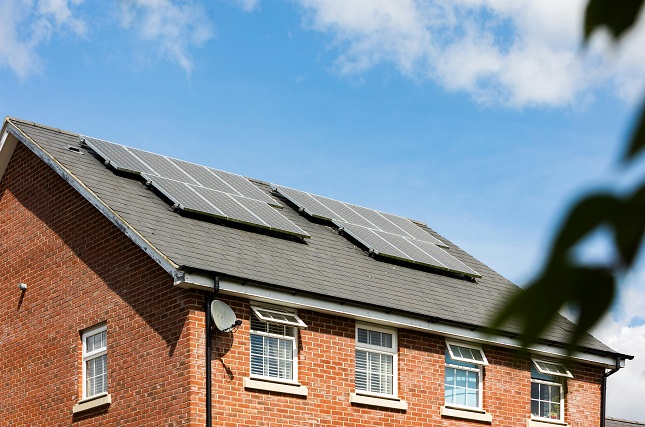
The dense urban landscape of the city presents unique challenges for solar power, but innovative engineering solutions have made rooftop solar an incredibly lucrative upgrade. Traditional solar panel installations work well on pitched roofs, while flat roofs often utilize ballasted systems or specialized solar canopies that elevate the panels above obstructions like skylights, HVAC equipment, and fire paths. Investing in solar yields substantial financial rewards for property owners. A recent study found that homes with solar panels in the city sell for over five percent more on average than comparable homes without solar, which translates to tens of thousands of dollars in added value. Furthermore, homeowners typically see a massive reduction in their monthly electric bills, allowing them to keep their homes comfortable year-round without the dread of exorbitant utility costs.
Improving the Building Envelope through Insulation
Before overhauling heating and cooling systems, property owners must address the building envelope to prevent costly energy loss. Upgrading insulation in attics, walls, and floors, alongside comprehensive air sealing, is the critical first step to a warmer and more efficient home. Programs throughout the state emphasize that improving the building envelope reduces heat loss, drastically improves indoor comfort, and allows for the installation of smaller, more efficient climate control systems. Many utility providers offer substantial rebates for insulation and air sealing packages, which can yield an impressive reduction in overall heating and cooling costs. Replacing drafty, inefficient windows or adding tightly fitted storm windows can further enhance this efficiency, ensuring that the conditioned air stays inside the living space where it belongs.
Transitioning to High-Efficiency Heat Pumps
Moving away from outdated fossil fuel systems is a major priority for eco-conscious renovations across the boroughs. Electric heat pumps offer a dual heating and cooling solution that is significantly more efficient than traditional oil or gas boilers. A multi-year study conducted by Cornell University on public housing buildings in the city revealed that replacing a fuel oil-based steam boiler with electric heat pumps dramatically improved resident comfort and allowed for precise room-by-room temperature regulation. This transition not only reduces the carbon footprint of a property but also protects homeowners from the volatility of fluctuating fossil fuel prices. Heat pumps operate cleanly, eliminate the noise and burn risks associated with old radiators, and free up valuable floor space in cramped apartments.
Optimizing Energy Use with Smart Home Technology
Integrating smart technology is one of the most accessible and effective ways to modernize a home and lower monthly household expenses. Smart thermostats are particularly valuable, as they learn the preferences of the occupants and automatically adjust temperatures to conserve energy when the house is empty. Replacing traditional incandescent bulbs with smart lighting can reduce lighting energy consumption substantially, while smart power strips prevent dormant electronics from drawing unnecessary vampire power. Additionally, smart water management systems can monitor consumption and adjust irrigation schedules based on real-time weather conditions, preventing water waste and lowering utility bills. Upgrading to energy-efficient smart appliances further ensures that the household runs smoothly without consuming excessive power. Upgrading outdated plumbing fixtures during these tech renovations to high-efficiency or dual-flush toilets also massively cuts down on wasted resources.
Navigating Compliance and Leveraging Financial Incentives
The push for sustainability is heavily supported by local legislation and an array of financial incentives. For larger buildings, Local Law ninety-seven sets strict greenhouse gas emissions caps, making energy upgrades essential to avoid hefty fines. High-performing buildings with lower emissions are becoming far more attractive to investors, buyers, and tenants, while inefficient buildings risk decreased valuations. To offset the costs of these critical upgrades, homeowners can tap into various assistance programs. Utility companies offer specific rebates for weatherization, and programs like EmPower+ provide no-cost or reduced-cost upgrades for eligible households. Furthermore, state property tax abatements and solar incentives can offset the cost of renewable energy installations. By stacking these incentives, property owners can drastically reduce or even eliminate out-of-pocket expenses for their green renovations.
Conclusion
Eco-friendly renovations represent a transformative approach to property ownership in a fast-paced and demanding urban environment. By implementing solar power canopies, upgrading building insulation, installing electric heat pumps, and adopting smart home technology, residents can enjoy significantly lower utility bills and a much more comfortable living space. These sustainable improvements also serve as a powerful home equity investment, as energy-efficient properties command premium prices and attract eager buyers in the competitive real estate market. Ultimately, committing to green upgrades is a forward-thinking financial strategy that benefits both the property owner’s wallet and the broader environmental goals of the community.