




























High-risk settings demand careful attention to objects most people overlook. A door pull, vent cover, heater guard, or cabinet edge can affect safety during acute distress. Ligature-resistant hardware reduces attachment points that may support self-harm. It also preserves privacy, staff visibility, infection control, and access for routine repairs. In behavioral health, detention, and secure medical care, these details help rooms function with dignity under pressure.
Built Into Daily Safety
During safety reviews, facility teams trace doors, vents, cabinetry, covers, display housings, and heating units from a patient perspective. Gaps, exposed edges, removable panels, and anchor points receive close attention. ARSCO premium ligature-resistant products belong in that conversation because secure metal enclosures can protect vital equipment while reducing opportunities for attachment, tampering, or concealment.
Why Small Details Matter
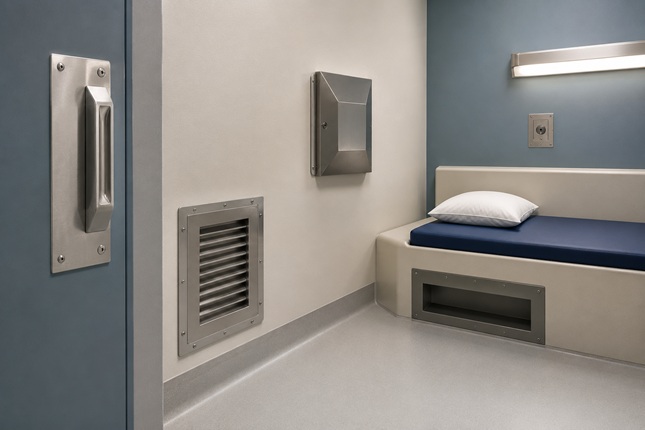
Risk often begins with a minor opening, loose grille, or exposed bracket. Under stress, ordinary fixtures can become hazards within seconds. Ligature-resistant hardware uses sloped faces, protected edges, tamper-resistant fasteners, and controlled service panels. Those choices reduce hidden danger and make inspection more reliable during rounds.
Risk Is Built Into Rooms
High-risk rooms still need heat, ventilation, plumbing, power, storage, and observation equipment. Removing every fixture is impossible. Safer planning asks how each item may be misused. Corners, wall plates, hinges, vents, access panels, and pipe chases deserve review. A room becomes safer when every exposed surface has a clear clinical reason.
Behavioral Health Needs
Behavioral health spaces should feel calm without ignoring real risk. Patients may arrive frightened, impulsive, intoxicated, or severely depressed. Ligature-resistant covers can shield pipes, radiators, vents, and display equipment without creating an institutional feel. Rounded profiles and sloped surfaces reduce the potential for attachment while keeping the room usable for care, rest, and observation.
Secure Facilities
Court areas, correctional intake rooms, and holding cells are subject to heavy use and frequent inspection. Hardware must resist tampering, impact, and forced access. Metal enclosures protect mechanical systems and limit exposed points that could cause harm. Clear sight lines and simple inspection paths also help staff identify damage before it becomes dangerous.
Hospitals And Clinics
Emergency departments and medical units may receive patients in crisis with little warning. Standard rooms can contain hooks, brackets, cords, grilles, and covers that create avoidable risk. Ligature-resistant hardware helps adapt treatment spaces for observation, stabilization, or psychiatric boarding. It also protects monitors, heaters, and wall-mounted systems needed for safe clinical care.
Access For Maintenance
Safety hardware should support maintenance, not obstruct it. Filters still need replacement, surfaces need cleaning, and equipment requires inspection. Well-planned access panels let authorized staff work without leaving parts loose or exposed. That discipline prevents temporary fixes from becoming new hazards after a repair call.
Field Conditions
Renovation projects rarely offer perfect walls or predictable piping. Older facilities may hide offsets, patched masonry, or uneven framing. Custom fabrication can account for those conditions through accurate measurements and coordinated attachment points. A close fit reduces gaps, improves durability, and helps the finished room look planned rather than patched.
Material Choices
Material selection affects strength, weight, cleaning, appearance, and long-term performance. Heavy-gauge metal can tolerate repeated contact in busy clinical or secure areas. Durable finishes support disinfecting routines and visual consistency. Facilities should match materials to patient acuity, cleaning chemicals, room traffic, and maintenance capacity. The right finish protects both safety and service life.
Design Coordination
Ligature-resistant hardware performs best when clinical, design, construction, and facility teams coordinate early. Each group sees different hazards. Clinicians recognize behavior patterns and crisis triggers. Contractors understand wall conditions and installation limits. Facility managers know cleaning routes and repair demands. Early input reduces late redesign, budget strain, and avoidable replacement work.
Procurement Questions
Procurement should look beyond appearance and unit price. Buyers need clear answers about fasteners, ventilation, access control, cleaning, replacement parts, and field measurement. Project-specific drawings help teams compare options fairly. Solid documentation also supports review by safety committees, clinicians, facility leaders, and code officials.
Cost And Value
A low-cost fixture may become expensive after repairs, shutdowns, or safety findings. Ligature-resistant hardware can reduce hazards before occupancy and protect equipment from damage. Durable construction lowers repeated service calls. Better access shortens maintenance time. Value should be measured across years of use, not a single purchase order.
Staff Confidence
Staff notice when a room supports safe care. Fewer exposed hazards reduce the mental load during observation, intake, and emergency response. Clear access points help maintenance teams act without delay. Durable covers lower urgent repair calls. Hardware does not replace training or clinical judgment, but it strengthens the environment around those duties.
Conclusion
Ligature-resistant hardware matters because high-risk spaces leave little margin for weak details. Safer doors, covers, enclosures, fasteners, and access panels reduce hazards while protecting essential building systems. Strong planning supports care, security, cleaning, maintenance, and patient dignity at once. When teams coordinate early and choose durable components, facilities create rooms that feel calmer, work better, and more consistently protect people.