





























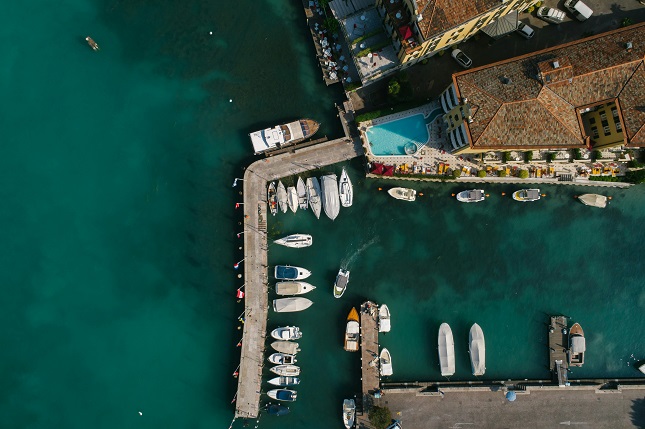
When you envision your dream waterfront lifestyle, what do you see? Is it a sleek, modern platform for high-end jet skis? Or perhaps a rustic, wrap-around porch over the water for long summer sunsets?
Whatever the vision, the transition from a “sketch on a napkin” to a functional, safe structure requires a specialized touch. Here is what you need to consider when collaborating with a dock builder to design your perfect aquatic retreat.
1) Define Your Primary Purpose
Not all docks are created equal. Before the first piling is driven, you and your dock builder need to determine how the space will be used.
- The Entertainer: Needs wide walkways, built-in seating, and perhaps integrated lighting for evening gatherings.
- The Angler: Focuses on fish-cleaning stations, tackle storage, and easy water access.
- The Boater: Requires specific slip dimensions, heavy-duty cleats, and perhaps a motorized lift system.
2) Choosing the Right Configuration
The “shape” of your dock isn’t just about aesthetics; it’s about flow and functionality. A skilled dock builder will usually recommend one of these popular layouts based on your shoreline:
| Dock Shape | Best Use Case | Benefit |
| I-Shape | Narrow shorelines | Simple, cost-effective, and sleek. |
| L-Shape | High-traffic areas | Provides a “seating nook” out of the way of the boat. |
| T-Shape | Deep water access | Offers maximum “end-of-dock” space for lounging. |
| U-Shape | Boat protection | Creates a protected “slip” to park your vessel. |
3) Sustainability and the Environment
Modern marine construction has come a long way. Today’s dock builder has access to eco-friendly materials that allow sunlight to penetrate the water, protecting the aquatic vegetation below. Thru-flow decking and non-toxic treated woods are now the gold standard for preserving the very ecosystem that makes waterfront living so desirable.
4) The “Hidden” Engineering
What happens under the water is just as important as the beautiful boards on top. A professional dock builder evaluates the “fetch”—the distance wind can travel over open water—to determine how much wave action your dock will have to endure. This engineering ensures that your investment doesn’t end up in your neighbor’s yard after a summer storm.
Expert Tip: Always ask your dock builder about “serviceability.” You want a design where individual boards or components can be replaced easily without tearing up the entire structure.
The Bottom Line
A dock is an extension of your home’s square footage. It’s an outdoor room that just happens to float (or stand) over the water. By partnering with a dedicated dock builder, you ensure that your design is not only beautiful but built to weather the elements for decades to come.