





























A productive workday is rarely about working harder. It is about removing friction, staying organized, and making sure everything you need is exactly where it should be. For businesses that rely on vehicles, your setup directly affects how smoothly your day runs.
A well-planned vehicle setup can reduce wasted time, improve job turnaround, and help you deliver a more professional service. This step-by-step guide expands on how to create a setup that genuinely supports your workflow.
Step 1: Review Your Current Workflow
Before making changes, take a closer look at how your day actually unfolds.
Think about:
- How often you search for tools or materials
- Whether you are making unnecessary return trips
- If certain items are difficult to access quickly
Even small inefficiencies add up across a full day. Identifying these friction points gives you a clear starting point for improvement and helps ensure your setup is based on real needs rather than assumptions.
Step 2: Match the Vehicle to the Job
The type of vehicle you use plays a major role in how efficient your day can be. If your vehicle does not suit your workload, no amount of organization will fully fix the problem.
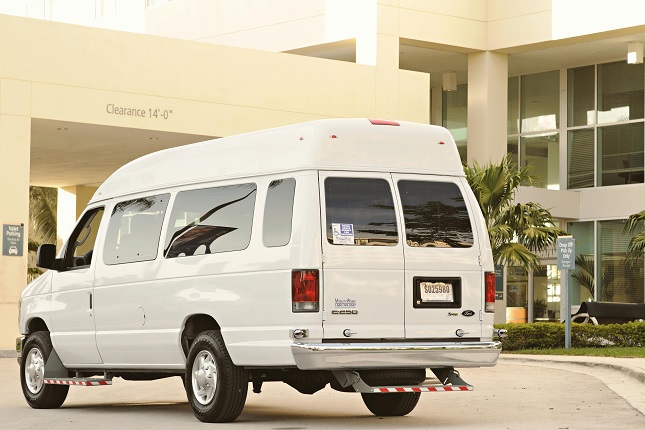
For example, businesses that carry tools, stock, or equipment benefit from enclosed, structured storage. Vans offer flexibility, protection from the weather, and the ability to customize internal layouts.
When considering options like utility vans for sale, focus on:
- Cargo space and layout potential
- Ease of loading and unloading
- Access points for frequent stops
- How the vehicle supports your long-term growth
Choosing the right vehicle creates the foundation for everything else.
Step 3: Prioritize What You Carry
A common mistake is trying to carry everything “just in case.” This leads to clutter and makes it harder to find what you actually need.
Instead, separate your items into clear categories:
- Daily essentials that must always be accessible
- Regular-use items that can be stored slightly out of reach
- Occasional tools or equipment that should only be loaded when needed
This approach creates space, reduces confusion, and ensures your most important items are always within easy reach.
Step 4: Organize for Speed, Not Just Storage
A tidy vehicle is not necessarily an efficient one. The goal is to minimize movement and save time during each task.
To achieve this:
- Place frequently used items near entry points
- Store heavier items securely and low down
- Use compartments or containers to keep smaller items organized
When everything has a consistent place, you spend less time thinking about where things are and more time focusing on the job itself.
Step 5: Create Simple Zones
Dividing your vehicle into zones turns it into a functional workspace rather than just a storage area.
For example:
- A tool zone for frequently used equipment
- A materials zone for stock or supplies
- A small admin area for paperwork or devices
- A safety zone for protective equipment
Zoning improves speed, reduces errors, and makes it easier to maintain organization, especially if multiple people use the same vehicle.
Step 6: Make End-of-Day Reset Easy
Your setup should support not only your working day but also how you finish it.
An efficient vehicle allows you to:
- Restock quickly without searching through clutter
- Identify missing tools immediately
- Remove waste or unused materials with minimal effort
This reduces end-of-day fatigue and ensures you start the next morning fully prepared, which has a direct impact on productivity.
Step 7: Improve Access and Movement
Efficiency is strongly influenced by how easily you can access your equipment.
Consider:
- Whether you load primarily from the side or rear
- How often you need to access items during multi-stop jobs
- The environments you work in, such as tight urban streets or open sites
Arranging your setup around real movement patterns can save minutes on every job, which adds up significantly over time.
Step 8: Keep Safety in Mind
A safe vehicle setup is essential for both efficiency and reliability.
To maintain safety:
- Secure all items to prevent shifting during transit
- Avoid overloading or uneven weight distribution
- Keep access areas clear to prevent delays and hazards
A stable, organized vehicle not only reduces risk but also makes your workflow more predictable and easier to manage.
The Bottom Line
Improving your workday often comes down to small, practical changes. A better vehicle setup removes unnecessary friction, helping you stay organized, save time, and work more efficiently.
By choosing the right vehicle, organizing it around your daily needs, and reviewing it regularly, you create a system that supports consistent performance. Over time, these improvements lead to smoother operations, better customer experiences, and stronger overall results.