



























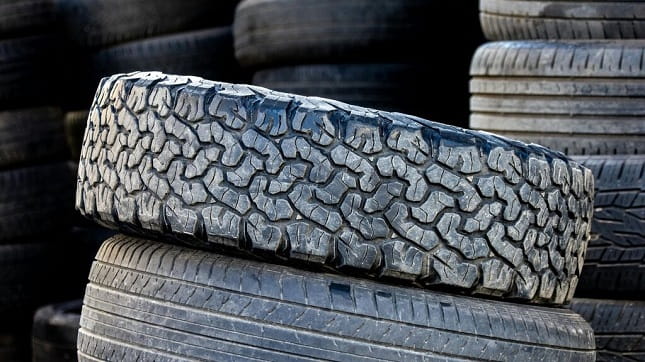
Mother Nature has no patience. Today it’s sunny, tomorrow it’s black ice or a deluge that turns that routine trip to work into a life-threatening journey. Either your tires can handle it, or they can’t.
It’s the tire that will keep you out of the intersection you shouldn’t be at. The Federal Highway Administration (FHWA) says that 12 percent, or nearly 745,000 accidents per year, are weather-related. That’s certainly not a small percentage. That’s a number that should encourage them to think carefully before they choose “whatever tire was on the car when it was new”.
What the Right Tires Do to Prevent Slippery Weather Accidents
Here’s what many people don’t consider: The science behind why the right tire gets you out of the ditch, not just gives you a comfortable ride.
Choosing Tires for Safety, Not Just the Lowest Price
Shifting your shopping mindset from “what’s cheapest” to “what stops shortest” changes the entire evaluation process.
The Specs Most Drivers Completely Overlook
Speed rating governs how a tire behaves at the edge of its performance envelope, which matters in emergency braking situations. Load index determines whether your tire is rated for your real-world weight, including passengers and gear. UTQG traction grades (AA, A, B, C) measure wet-pavement stopping performance directly. And the 3PMSF symbol? It confirms winter-grade traction that an M+S marking alone doesn’t actually guarantee.
Understanding Tire Labels to Get the Right Tire for Your Driving
Always refer to the door jamb or owner’s manual for the correct size. For example, 255/55R20 tires are 255mm wide, have a 55% aspect ratio sidewall, and will fit a 20-inch wheel. If you’re looking for high-performing SUV tires, check out 255/55R20 tires through a retailer that offers legitimate filters for wet traction. When purchasing, check for the 3PMSF label and independent wet-braking test results.
When Safety is at Stake, Consider Price and Performance
The tire industry’s dirty little secret that they don’t want you to know is that cheaper middle- to low-priced brands with better independent wet and snow braking results win over premium brands with worse results. It’s important: size/load, good wet and snow brake results, brand and warranty, price. Last, not first.
Tire Care Routines for the Safe in Between
The best tire is only as good as its care. Tire care is a good investment.
Pressure Adjustments as Seasons Shift
You can expect a 10°F temperature drop to mean you will lose 1 PSI of pressure. Colder nights in spring and fall, like a 30°F drop in temperature, can come without warning while you’re sleeping, and put your pressure out of whack. Just 19 percent of American drivers inflate tires to the correct pressure, even though it helps save 11 cents a gallon on fuel. Check monthly. Use the inflation pressure on the door end panel, not the maximum pressure on the side of the tire.
Good Tread Depths for Bad Weather
The minimums in wet weather to prevent hydroplaning is 4/32″ and, in winter, 6/32″ to maintain traction. Penny and quarter tests at home. And remember, “legal minimum” is not the same as “safe for all-weather conditions”. Don’t use them interchangeably.
Questions and Answers about Winter Tires
Are all-weather tires a good alternative to all-season and winter tires?
For the majority of mixed-climate drivers – yes. 3PMSF-rated all-weather tires are a good choice for light snow and cold. But, in heavy snow and at high elevation, winter tires are still the best choice.
Can I drive a new all-season tire in snow, rather than winter tires?
New tread will help, but the tire will still stiffen up. Brand-new all-season tires perform better in snow than worn-out tires, but they aren’t as good as winter-rated rubber in temperatures below 7°C.
What’s the minimum tread depth in heavy rain?
At least 4/32″ to reduce the risk of hydroplaning. At 2/32″ (the minimum legal tread depth), braking distances in wet conditions are much longer. Replace before the tire wear indicators kick in.
Do wider tires provide better traction in poor conditions?
Not necessarily. Very wide tires can actually promote hydroplaning by decreasing contact-patch pressure, which helps move water away. Use sizes specified by the manufacturer.
How do I check the pressure with a 30°F daily temperature change?
Use a gauge early in the day (tires are really cold). Cold temperature adjustments are more precise than checks during a drive. Check door jambs – not sidewalls.
The Final Word on Tires, Mother Nature, and Safety Checkpoints
There’s a lot more to the safe tire selection process than buying and going. It’s an ongoing process that encompasses tire type, proper size, advanced traction technologies, and proper maintenance. Owners of popular SUV sizes, such as 255/55R20 tires, have access to some excellent all-weather and winter tires – but access is only beneficial if you make a proactive, informed choice rather than simply buying the cheapest and fastest to arrive.
Check your tread depth today. Make sure your pressure is good before the next cold snap. And decide on your tire category before bad weather catches you off-guard – because four small bits of rubber lie between you and an insurance claim you’ll need to explain to your family.