



























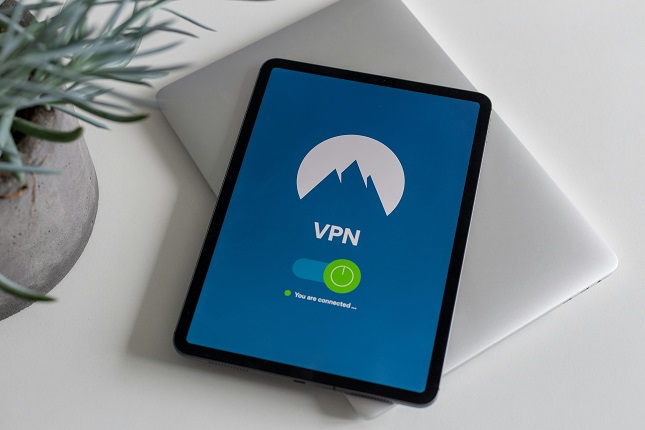
Everyday internet use now involves far more than reading news or sending emails. Online banking, work communication, shopping, and personal messaging all take place on networks that are not always under our control. In this context, tools that help protect basic privacy without adding extra cost naturally attract attention. This is where services like Planet Free VPN come into the picture, offering a no-cost option for users who want a more private and controlled browsing experience.
A Virtual Private Network, commonly known as a VPN, creates an encrypted connection between your device and the internet. Instead of sending your data directly through your local network provider, your traffic is routed through a secure server. This simple change can significantly reduce exposure to tracking, unauthorized monitoring, and certain network-based risks.
Using a VPN is not only about security. For many users, it is also a practical way to avoid unnecessary digital expenses, such as location-based pricing differences or repeated subscriptions just to feel safer online. Understanding how VPNs work and what free options realistically offer helps users make informed decisions without unrealistic expectations.
What a VPN Actually Does in Daily Use
At its core, a VPN masks your real IP address and replaces it with one from its own server network. This process makes your online activity harder to associate with your physical location or personal identity. While the underlying technology is complex, the outcome is straightforward: your internet traffic becomes less transparent to third parties.
VPNs also encrypt data in transit. This means information sent from your device is converted into unreadable code while traveling across networks. Internet service providers, network administrators, or malicious actors on unsecured networks cannot easily inspect or alter that data.
For everyday users, this functionality matters most when connecting through shared or public networks. Cafés, airports, and hotels often provide open Wi-Fi connections that lack strong security controls. A VPN adds an additional protective layer in these situations.
Why Free VPN Services Appeal to Many Users
Free VPN services exist because not every user needs advanced features or constant protection. Many people only require occasional privacy support, especially during specific tasks or locations.
One clear advantage is cost control. A free VPN allows users to test privacy tools without committing to a subscription. This is particularly relevant for students, travelers, or casual users who want basic protection without ongoing expenses.
Another common use case involves accessing region-limited online resources. While free VPNs may not offer extensive server networks, they can still help users connect through alternative locations for general browsing or information access.
Public Wi-Fi protection is another practical benefit. Even a basic VPN connection can prevent simple network-level attacks by encrypting traffic on unsecured connections, reducing exposure to common risks.
Understanding the Practical Limits of Free VPNs
Free VPN services are not identical to paid solutions, and recognizing their boundaries is essential for realistic use. One of the most discussed concerns involves data handling practices. Some free services rely on data collection or advertising models to sustain operations. Reviewing privacy policies before installation helps clarify how user information is managed.
Speed and data limits are also common. Free VPNs often restrict bandwidth or connection speed to manage server load. This can affect activities such as large downloads or extended streaming sessions, but may be acceptable for short browsing periods.
Server availability is another factor. A limited number of locations can result in crowded servers and occasional connection instability. This does not necessarily indicate poor quality but reflects the structural limits of no-cost services.
Being aware of these trade-offs allows users to choose free VPNs for suitable scenarios without expecting full-scale performance.
Choosing a Free VPN Based on Real Needs
Selecting a free VPN should start with a clear understanding of personal usage patterns. Users who primarily browse websites and check email require different features than those working remotely or frequently traveling.
Security fundamentals should always be present. Reliable encryption standards and transparent privacy policies are more important than large server counts or marketing claims. A simple interface also matters, especially for users who prefer quick connections without technical setup.
Privacy policies deserve particular attention. A clearly stated no-logs approach or minimal data collection policy indicates a service focused on user trust rather than monetizing activity data.
Matching expectations to capabilities ensures that a free VPN remains a helpful tool rather than a source of frustration.
Supporting VPN Use With Additional Safety Habits
A VPN is one part of a broader online safety approach. Even with encrypted connections, user behavior plays a significant role in overall security.
Keeping operating systems and applications updated reduces exposure to known vulnerabilities. Using strong, unique passwords and enabling multi-factor authentication adds another layer of protection beyond network-level security.
Caution on public networks remains important. A VPN reduces risk, but it does not replace common-sense practices such as avoiding unknown links or unsecured downloads.
These habits work together to create a more stable and secure online environment.
Getting Started with Planet VPN on Mobile Devices
For users who prefer mobile access, Planet VPN offers application-based solutions that can be installed directly from official app stores. Using a VPN on a smartphone is often as simple as installing the app, selecting a location, and connecting.
Android users can access the service through the official VPN app available on Google Play, designed for quick setup and straightforward daily use. iOS users can also install the free VPN app from the App Store, making it accessible across major mobile platforms without registration barriers.
These mobile options are particularly useful for users who frequently connect through cellular networks or public Wi-Fi while on the move.
Rather than treating a VPN as a permanent solution for every scenario, many users benefit from enabling it selectively, based on context and need. This balanced approach aligns well with what free VPN services are designed to provide: practical, accessible privacy support for everyday internet use.