






























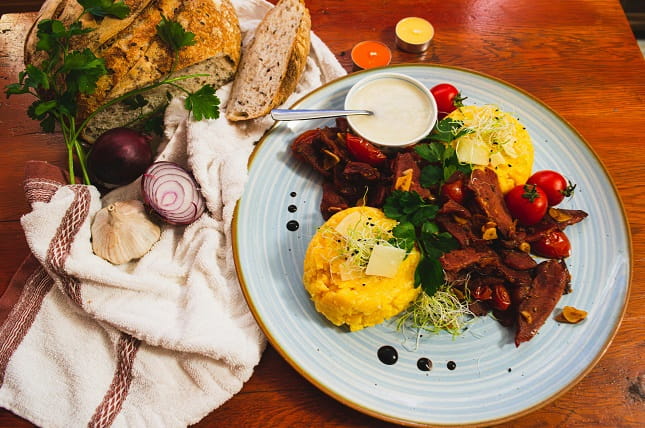
There are places where dining feels less like an activity and more like a quiet return to something familiar. Lacrimi si Sfinti embodies that feeling. It is not defined by spectacle, but by intention—where each dish is prepared with a sense of memory and respect. Here, Romanian cuisine is not reimagined for trends; it is preserved, allowing its character to unfold naturally.
A visit to lacrimisisfinti.com offers insight into this philosophy. It reveals a culinary approach grounded in authenticity, where recipes are treated as living traditions rather than fixed formulas. The experience becomes less about discovering something new and more about reconnecting with something enduring.
Romanian Cuisine and Its Traditional Dishes
Romanian cooking reflects a deep relationship with the land. Ingredients are often local, seasonal, and prepared in ways that highlight their natural qualities. At Lacrimi si Sfinti, this connection is evident in the way dishes are presented—simple, yet layered with flavor.
One such dish is ardei umpluți, bell peppers stuffed with a mixture of meat, rice, and herbs. Slow-cooked in a rich tomato sauce, they offer a balance of sweetness and savoriness that defines much of Romanian cuisine. Another staple is ciolan cu varză, a dish of tender pork knuckle served with braised cabbage, known for its depth and comforting nature.
Bread also plays an essential role. Freshly baked loaves accompany many meals, acting as both a complement and a cultural symbol. Desserts, like plăcintă filled with cheese or apples, provide a soft, familiar ending that resonates with tradition.
At Lacrimi si Sfinti, these dishes are approached with restraint. The goal is not to alter their identity but to present them with clarity, allowing their original flavors to remain at the center of the experience.
Cultural Influences Behind Romanian Food
Romania’s culinary identity has evolved through centuries of interaction with neighboring cultures. Its cuisine reflects a blend of influences that have been carefully absorbed and adapted over time.
Balkan traditions contribute to the use of grilled meats and bold flavors, while Central European influences appear in baked goods and structured meal courses. Eastern elements can be seen in the use of herbs and slow-cooking techniques. Yet, Romanian cuisine remains distinct because it integrates these influences without losing its core identity.
At Lacrimi si Sfinti, this cultural layering is expressed subtly. The dishes do not attempt to highlight their influences individually but instead present a cohesive narrative. This approach mirrors the broader Romanian experience—one where history is present, yet seamlessly woven into everyday life.
Food also serves as a marker of time. Seasonal ingredients dictate the rhythm of the kitchen, ensuring that each dish feels connected to a specific moment. This relationship between cuisine and seasonality adds depth to the dining experience.
Essential Elements of Romanian Dining
Meals are shared in a communal setting, encouraging interaction and a sense of belonging.
The pace of dining is slow, allowing time for conversation and reflection.
Recipes are preserved across generations, maintaining their original character and meaning.
These elements define the Romanian approach to dining. At Lacrimi si Sfinti, they are not presented as concepts but experienced naturally, creating an atmosphere that feels both welcoming and authentic.
A Contemporary Collaboration Beyond the Table
While deeply rooted in tradition, Lacrimi si Sfinti also embraces the idea that culture can evolve through collaboration. Its connection with apacheskateboards.com introduces a modern perspective, where culinary heritage meets contemporary creative expression.
This collaboration does not seek to redefine Romanian cuisine. Instead, it highlights its adaptability, showing how traditional values can engage with new forms of storytelling. Through apacheskateboards.com, the narrative extends beyond food, exploring how culture can be expressed in different mediums.
By bridging these worlds, Lacrimi si Sfinti demonstrates that tradition is not static. It can interact with modern influences while maintaining its authenticity. This balance creates a richer experience, where past and present coexist in a meaningful way.