






























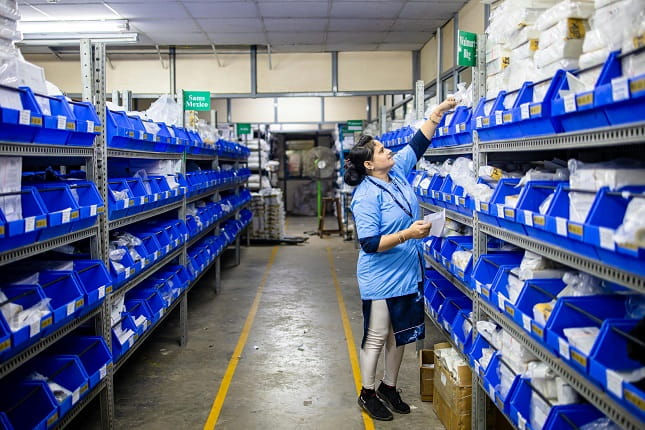
Missing parts are one of the things that can slow down work the fastest in an industrial setting. A technician can be on-site and ready to fix a machine, and the plan can be clear. But if the right part isn’t there, nothing can happen. Stockouts don’t just slow down maintenance; they also make people on the front lines angry, increase downtime, and raise costs through rush orders and workarounds.
For years, a lot of teams used spreadsheets, clipboards, or their memory to keep track of spare parts. That method might work when there aren’t many items in stock and things are easy to run, but it falls apart quickly as businesses grow. This is when parts inventory management software becomes very important. It lets maintenance teams see in real time what they have, what they need, and when to order more, so repairs happen on time instead of having to wait for shipments.
Why Stockouts Are Worse Than You Think
A stockout is more than just a shelf that is empty. It sets off a chain reaction throughout the business. The equipment is out of service for longer. Production schedules get pushed back. Using temporary fixes makes things less safe. And frontline teams waste a lot of time looking for parts instead of fixing things.
There is also a cost in money. When you make an emergency purchase, you usually have to pay more for shipping and the item itself. Over time, this kind of spending adds up, which makes it harder to stick to a budget. What seems like a small problem with your inventory can quickly turn into a big problem for your business.
It’s not enough to just have more parts on hand to avoid stockouts. It’s about knowing exactly what to keep in stock, when to do it, and how it relates to daily maintenance work.
One Place to Find Spare Parts
Visibility is the most important part of inventory management software. Every part, from important parts to everyday items, is stored in one system with exact counts and clear locations.
Technicians don’t have to guess where things are. Supervisors don’t have to use old spreadsheets anymore. Everyone has access to the same, current information. The system updates on its own when parts are used. Alerts go off when stock falls below a certain level.
This one source of truth clears things up and makes people trust the data. When teams know the numbers are accurate, they can plan their work with confidence instead of crossing their fingers and hoping the part is in the bin.
Data, Not Guesswork, Makes Reordering Smarter
In the past, reordering often relied on visual checks or rough estimates. Someone would notice a low bin and place an order, a process that was easy to overlook and difficult to scale as operations grew.
Data replaces guesswork in inventory management software. How often something is used, how long it takes to get there, and how important it is all help determine reorder points. When the stock gets low, the system sends alerts or even asks for purchases on its own.
This makes sure that parts are always in stock before they run out, but not too much is stored. The result is a better balance between keeping costs down and having things available.
Getting Ready to Cut Down on Downtime
It can be hard to predict when downtime will happen, but a lot of it has to do with parts availability. When inventory is handled well, maintenance is easier to plan for.
Teams can set up parts ahead of time for jobs that are already planned. You can prioritize critical spares and keep them from running out. Everything that needs to be fixed is already in place, so repairs go faster.
This preparation changes the way people think about maintenance over time. Instead of rushing to fix problems, teams start to work in a more controlled and proactive way. That change makes things less stressful for the people on the front lines and makes everything more reliable.
Getting a Better Understanding of Costs and Use
Every piece has a story to tell. Some parts break down a lot. Some of them sit around for years without being used. It’s hard to tell which is which without data.
Inventory management software makes information about how parts are used useful. Reports show which items are used the most, which assets cost the most in parts, and where waste might be happening. This helps leaders make better choices about standardization, contracts with vendors, and replacing assets.
These insights help frontline managers plan. They can plan for busy times, better use their resources, and avoid having to rush to get supplies at the last minute.
Conclusion
Not running out of stock is both an operational goal and an inventory goal. When parts are on hand when they are needed, maintenance goes smoothly. When maintenance is done right, there is less downtime, safety improves, and frontline teams can focus on doing their jobs well.
Inventory management software gives teams the structure and data they need to plan ahead, rather than reacting to shortages as they occur. It turns spare parts from a constant source of stress into a reliable way to help with maintenance.
For industrial teams that want to improve their frontline operations, the path is clear: they need to plan better, have fewer surprises, and make it easier to keep their assets running. When you have the right software, stockouts stop being a daily worry and happen less often.