





























Outdoor events can feel special in a way indoor spaces often do not. A backyard celebration, wedding reception, graduation party, family reunion, or company gathering usually feels more relaxed when people can enjoy fresh air and a more open setting. At the same time, outdoor planning comes with extra questions about weather, layout, comfort, and coverage. That is where party tent rentals become one of the most practical parts of the setup, because they help turn an open area into a real event space that feels ready for guests.
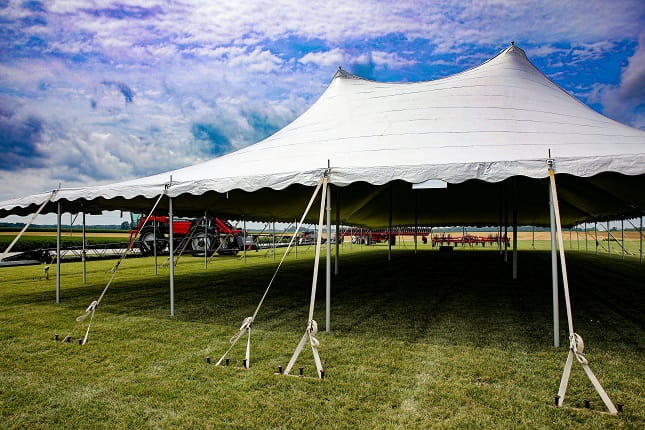
A tent does more than provide shade or rain protection. It creates structure. It gives the event a clear center, helps define where people gather, and makes it easier to plan seating, food service, lighting, and movement through the space. For some events, the tent is the main area where almost everything happens. For others, it works as a backup plan or a secondary zone for dining, cocktails, or shelter during part of the day. Either way, the tent affects how the whole event looks and feels.
Greenwich Tent Company is the kind of rental provider people consider when they want the setup to work for the actual event instead of just covering a random part of the yard or venue. A good tent plan helps guests stay comfortable, gives the event a more finished look, and makes it much easier for the host to manage the day without worrying about every change in weather or layout.
Different Tent Options and When They Work Best
Not every tent works the same way, and choosing the right one depends on the type of event, the location, and how the space will be used. Some tents are better for formal events, while others are a good fit for more casual backyard gatherings. That is why it helps to think about function first. A wedding reception with dinner service, décor, and a dance floor will usually need a different tent setup than a birthday party with buffet tables and light seating.
A larger tent often makes sense when the event includes multiple functions under one structure. If guests will be eating, listening to speeches, dancing, and staying for several hours, the tent needs enough room for all of that without feeling cramped. Smaller tents can work well for simple dining areas, cocktail spaces, check-in points, or covered food service stations. In some cases, more than one tent may actually work better than one very large setup, especially if the event is spread across different activity zones.
Style matters too. Some tent designs feel more formal and polished, while others are more straightforward and practical. The best option is usually the one that fits both the visual style of the event and the physical conditions of the site. A good tent should not only look appropriate. It should also make the event easier to use. When the size and style match the real purpose of the gathering, the whole setup tends to feel more comfortable and much more organized.
Lighting, Sidewalls, and Other Extras to Consider
Once the tent itself is chosen, the extras often make the biggest difference in comfort and overall atmosphere. Lighting is one of the most important. During the day, it may not seem urgent, but once evening starts, good lighting affects the mood of the event and helps guests move around safely. Soft overhead lighting can make a dinner feel warmer and more inviting, while brighter functional lighting may be needed around food stations, bars, entrances, or walkways. Without enough light, even a beautiful tent setup can start feeling unfinished once the sun goes down.
Sidewalls are another detail worth thinking through carefully. Some events benefit from a more open tent with plenty of airflow and visibility. Others may need sidewalls because of wind, cooler temperatures, or the chance of rain. They can help make the space feel more protected and more comfortable, especially during uncertain weather. In some cases, they also give the tent a more enclosed and formal look, which may suit weddings or evening events better.
Other helpful extras may include flooring, fans, heaters, staging, dance floors, or extra tables for food and drinks. These details are not always the first thing hosts think about, but they often have a strong effect on how usable the tent feels once guests arrive. The best extras are usually the ones that solve practical problems before they happen. They help the event feel smoother, more comfortable, and much more complete without making the setup feel overdone.